23 OCT 2026-Oil & Gas
India’s Energy Equation
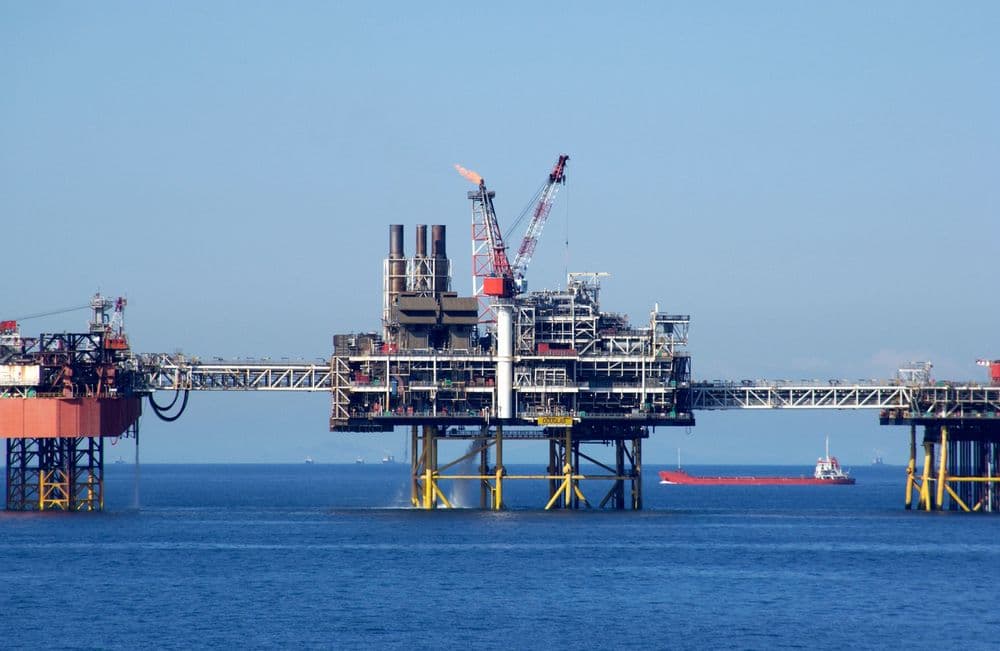
The oil and gas sector still drives much of the country’s energy economy, even as solar capacity rises to potentially alter India’s power mix.

All content tagged with “Power Markets” - 32 items
The oil and gas sector still drives much of the country’s energy economy, even as solar capacity rises to potentially alter India’s power mix.
NTPC and Africa50 will explore power-generation projects and cross-border electricity trading opportunities across Africa, combining technical expertise with project development and financing capabilities.
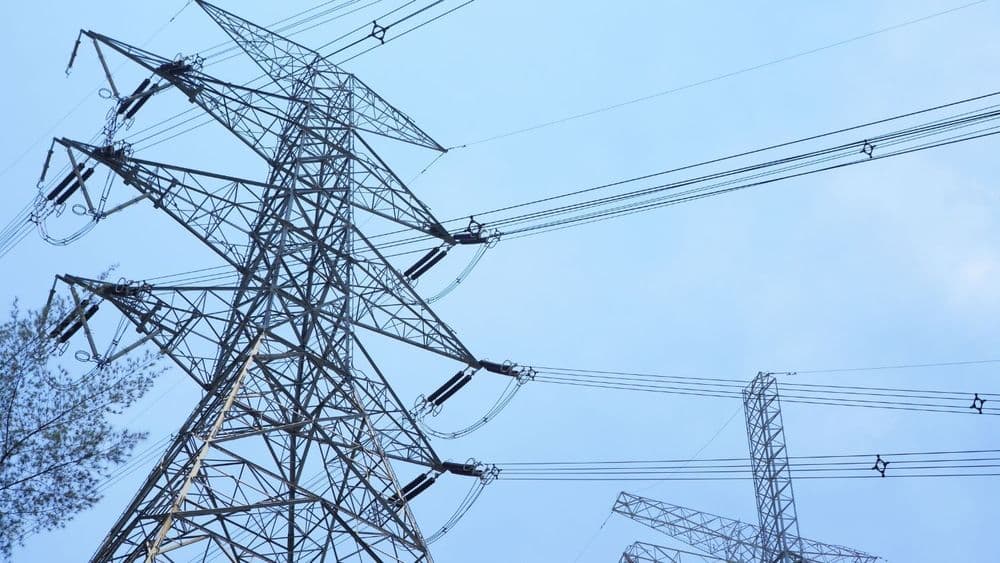
The power ministry has updated RoW compensation guidelines for interstate transmission lines, including methods to determine land value where states lack specific policies.
SWELECT Energy Systems launches its SWEES EN hybrid inverter range for Commercial and Industrial customers. It ranges from 5 kW to 50 kW but the scalable variant can also exceed 50 kW.
Draft NEP 2026 seeks commercial viability, financial turnaround and reliable power supply while aligning the electricity sector with Viksit Bharat 2047.

The Minister of State Shripad Naik held a bilateral meeting with a European Union delegation on cooperation in energy security, green technology, and carbon trading.
As India's electricity demand accelerates, as outlined in the Ministry of Power's Annual Report 2025–26, the next phase of growth will depend on expanding capacity while building a cleaner, more flexible and resilient power system.
Official data from the Central Electricity Authority (CEA) reveals how renewable, solar and wind power generation is evolving across India's states and regions, offering a monthly assessment of the country's clean energy transition and the shifting geography of electricity generation.
India’s foremost power and utilities convergence to bring ministries, state governments, utilities, global energy majors and investors together around projects spanning generation, grids, storage, digitalisation and domestic manufacturing
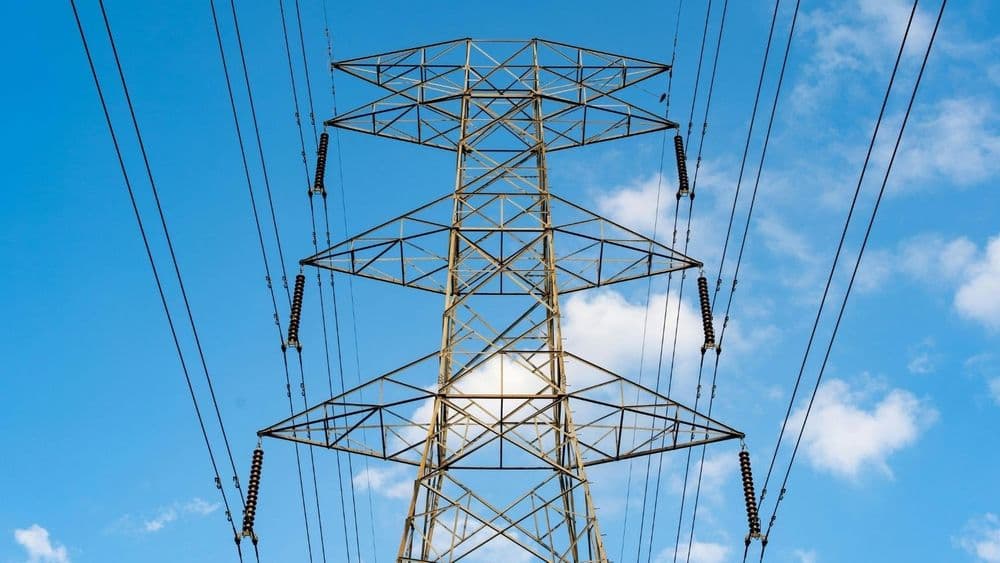
The government has directed the Central Electricity Authority (CEA) to prepare a roadmap for indigenising Supervisory Control and Data Acquisition (SCADA) systems used across the power sector, with imports to be phased out by 2030. The move aims to strengthen cybersecurity, supply-chain resilience and self-reliance in critical power infrastructure.

Aurora Energy Research has launched its India Grid Service to help the power industry forecast renewable energy curtailment risk and assess grid connectivity, starting with Rajasthan and expanding across six other states.

Schneider Electric has promoted Ratnesh Pandey as Chief Marketing Officer and Vice President – Marketing for India, strengthening its leadership team.
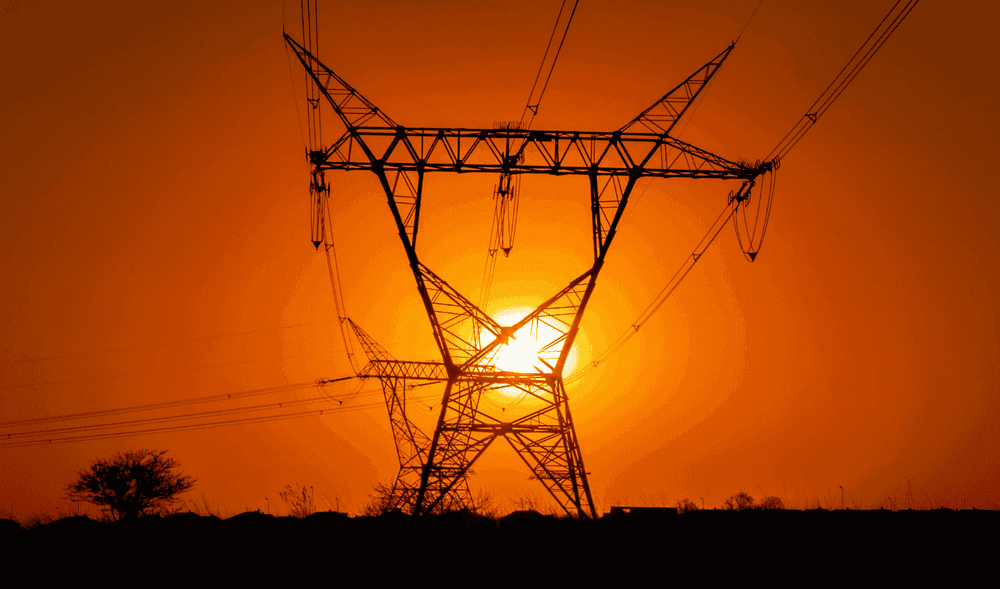
India's transmission sector could attract ₹5-6 trillion in investments by FY32 to expand grid infrastructure and support the country's growing renewable energy capacity.
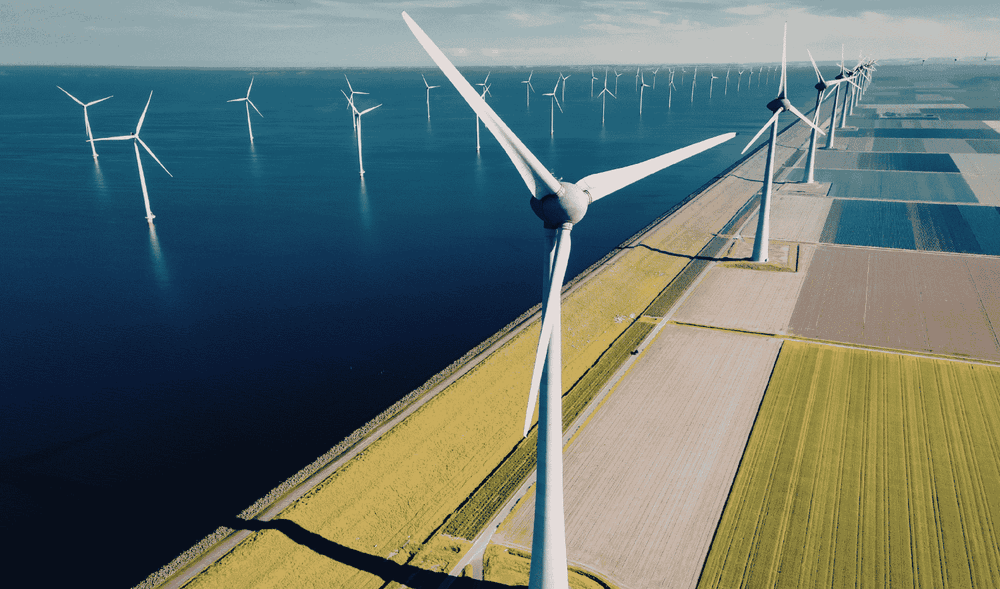
MNRE has amended its prototype wind turbine guidelines, allowing DISCOMs and other eligible entities to procure scheduled power while introducing revised commissioning and commercial deployment norms.

India’s energy transition is not unfolding through a simple shift from old to new, but through the simultaneous management of energy security, industrial growth, decarbonisation, safety and strategic resilience.
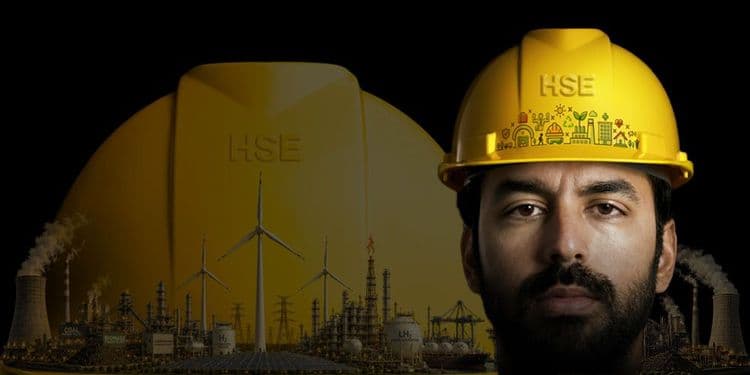
Across India’s energy value chain, Health, Safety and Environment (HSE) is being integrated into operational systems through inspections, training, audits, and monitoring, making risk management integral to how these operations run at scale.
India notifies Electricity (Amendment) Rules, 2026, easing captive power norms, recognising group structures, enabling flexible usage, and introducing verification mechanisms to boost industrial competitiveness and investment in non-fossil power projects.
The Centre has moved to exempt 7–8 GW of gas-based power plants from pooling mechanism as part of measures to ensure power supply amid West Asia disruptions.
The country’s power sector has achieved scale; sustaining reliability in a renewable-heavy, digitally evolving grid will now define its long-term trajectory.

January 2026 data reflects steady refining activity, sustained import reliance in oil and gas, full peak power demand fulfilment, continued solar capacity expansion, and ongoing smart metering rollout, indicating operational stability across India’s energy value chain.

A capacity building programme in Karnataka brought together state energy institutions and Danish experts to examine the operational, market and regulatory challenges of integrating high shares of variable renewable energy, drawing on Denmark’s long transition experience and Karnataka’s rapid renewable expansion.
Energy is no longer a standalone sectoral story; it now intersects with industrial policy, technology development, workforce transformation, regulatory design and national competitiveness
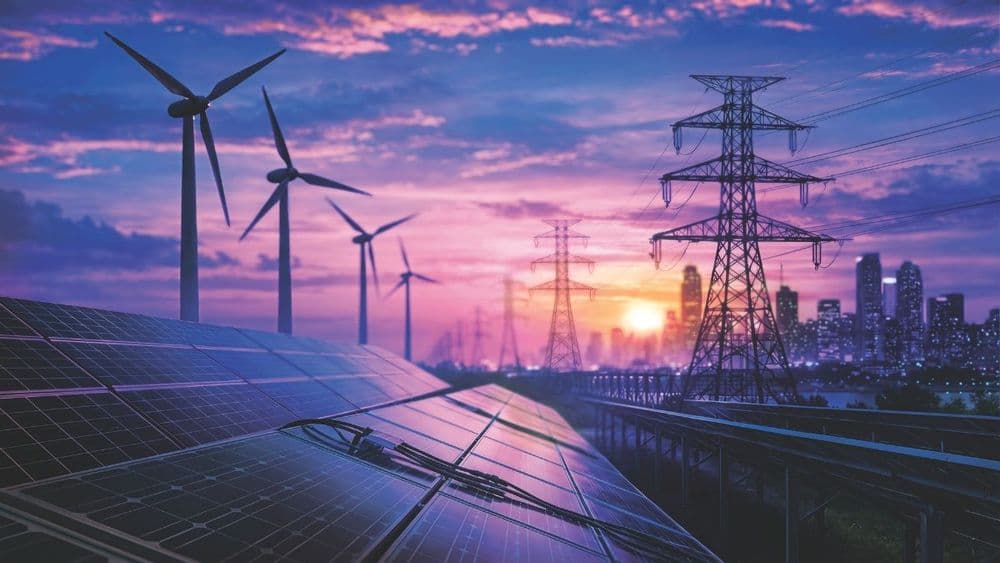
The new draft National Electricity Policy (NEP) 2026 signals a structural shift from capacity expansion to financial discipline, renewable integration, market reform and digital sovereignty, as India prepares its power sector for the demands of Viksit Bharat @2047.

As India advances towards 500 GW of renewable capacity, transmission infrastructure is emerging as the critical backbone of the energy transition. Arun Sharma, CEO, Resonia Ltd, sat down for an interview with ENERGDIVE to discuss execution priorities, regulatory coordination, productivity benchmarks, and the role of technology in sustaining clean energy growth.

Rising electricity demand, decarbonisation imperatives, energy security concerns and grid resilience needs are reshaping global power strategies. Small Modular Reactors (SMR) are advancing from concept to early deployment across North America and Europe. In an interview with ENERGDIVE, Ted Jones, Senior Director for National Security and International Programs at the US-based Nuclear Energy Institute explains why regulatory clarity, financing certainty and design stability are critical to scalable, cost-effective SMR growth.
A session at India AI Impact Summit 2026 highlighted how rapid AI-driven data centre expansion is reshaping grid planning, increasing electricity demand volatility, emerging as a key energy policy challenge.
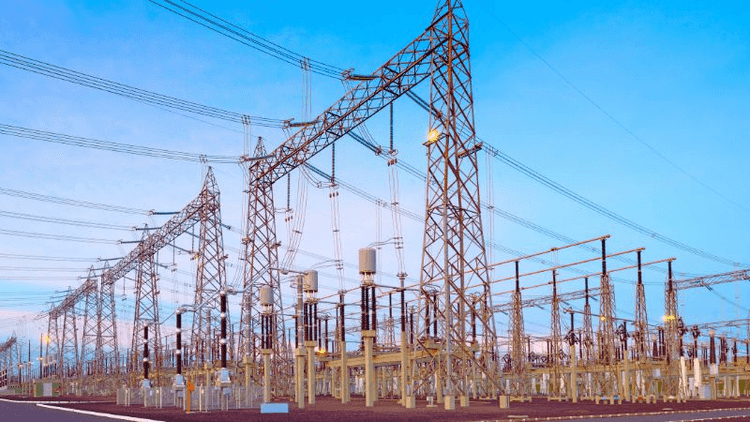
The Centre released the Draft National Electricity Policy 2026 for public consultation, proposing reforms in tariffs, renewables, storage, markets and grid operations to prepare the power sector for 2047.
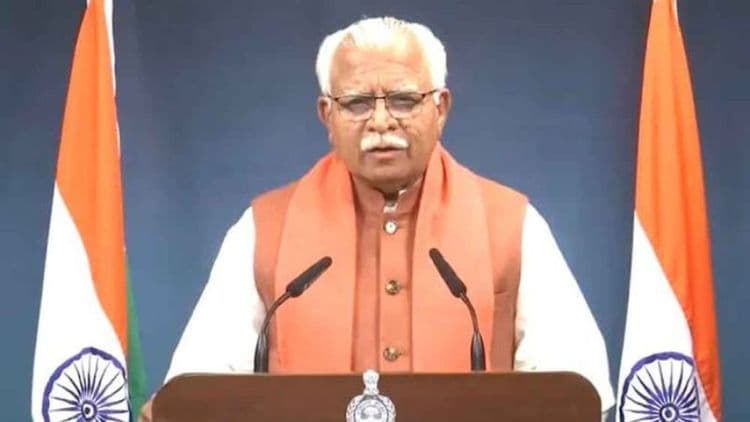
India’s power sector could attract nearly $500 billion in investments over seven years, with opportunities spanning generation, transmission, distribution and energy storage, Power Minister Manohar Lal said.
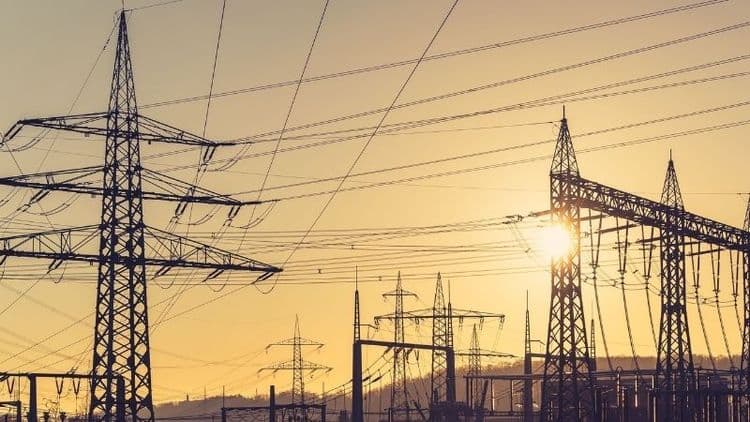
The government has begun parliamentary consultations on the draft Electricity (Amendment) Bill, 2025, aimed at fixing DISCOM finances, rationalising tariffs and strengthening clean-energy integration.

Having rapidly added gigawatts, India’s energy transition now prioritises reliability, flexibility and investment certainty, with Powergen India 2025 focusing on disciplined execution, market-aligned demand and resilient grids.
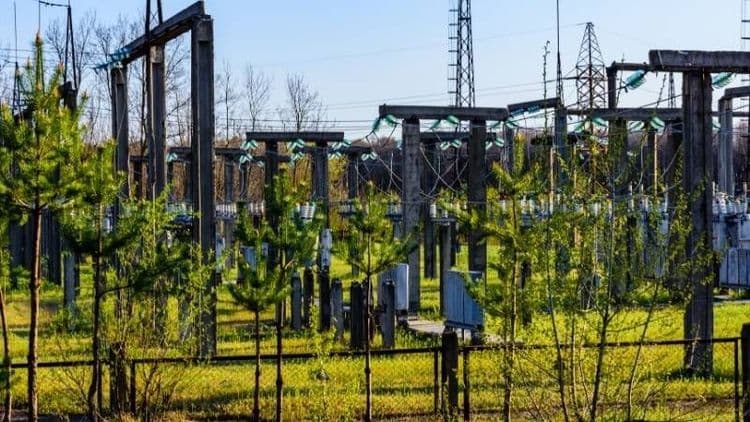
The Electricity (Amendment) Bill, 2025 introduces structural reforms to India’s distribution framework, including cost-reflective tariffs, regulated competition and stronger regulatory powers.