23 OCT 2026-Oil & Gas
Draft Petroleum (Amendment) Bill, 2026 Released for Public Consultation
India's Ministry of Petroleum and Natural Gas invited public and stakeholder comments on the draft Petroleum (Amendment) Bill, 2026.

All content tagged with “Petrochemicals” - 29 items
India's Ministry of Petroleum and Natural Gas invited public and stakeholder comments on the draft Petroleum (Amendment) Bill, 2026.

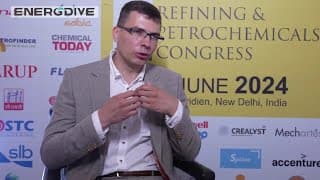
Catalysts are emerging as critical enablers of refinery efficiency, cleaner fuels and the energy transition. In an interview with ENERGDIVE, Chandrasekhar N, Executive Director (Co-ordination Refineries), Bharat Petroleum Corporation Ltd (BPCL), discusses how catalyst innovation is reshaping refining amid shifting crude supplies, tougher operating conditions and Net Zero ambitions. He outlines BPCL’s work on advanced catalysts and biofuels, and explains why catalyst performance could determine refinery profitability beyond 2035.

For energy-intensive industries, decarbonisation will ultimately come down to economics, reliability and scale. ENERGDIVE sat with Anshu Sharma, Vice President – Petrochemical Operations and Maintenance, HPCL-Mittal Energy Ltd (HMEL), to discuss why electrification offers a near-term opportunity, what is holding back low-carbon technologies, and how policy and digitalisation can accelerate adoption.

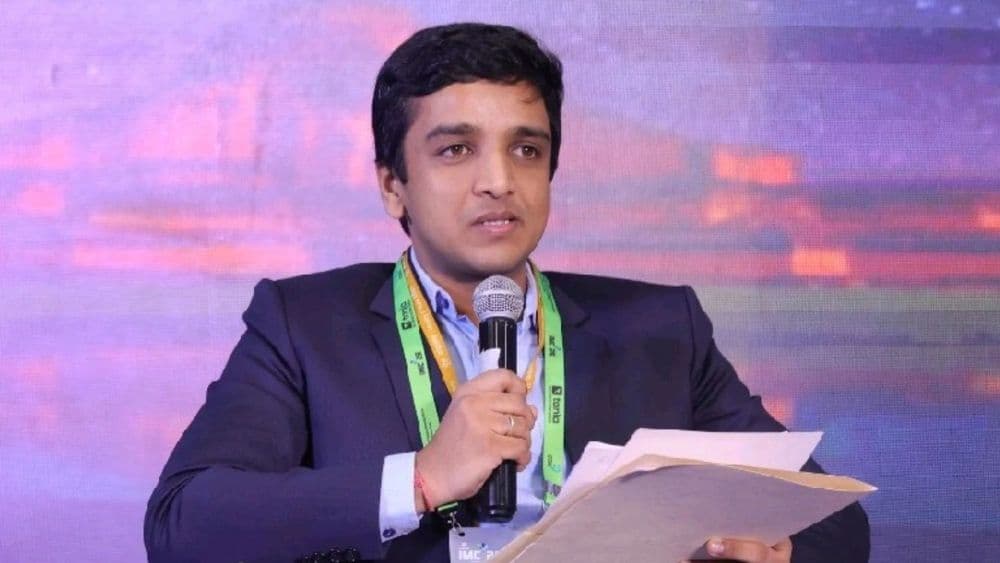
As industries accelerate efforts to reduce emissions while remaining globally competitive, the focus is shifting from isolated pilot projects to scalable decarbonisation platforms. In an interview with ENERGDIVE, Dr Partha P Maitra, President – Strategy & Initiatives at Reliance Industries Ltd, shares his perspective on the commercial viability of decarbonisation technologies, the importance of carbon pricing, technology integration, and the policy measures needed to drive India's low-carbon industrial transition.
The Government of India has notified the National Electricity Plan (Volume-II: Transmission) 2024, outlining transmission infrastructure expansion through 2032 to support rising electricity demand, renewable energy integration and projected peak power requirements.
India's downstream sector is pursuing Net Zero through multiple technologies while safeguarding energy security, affordability and competitiveness.
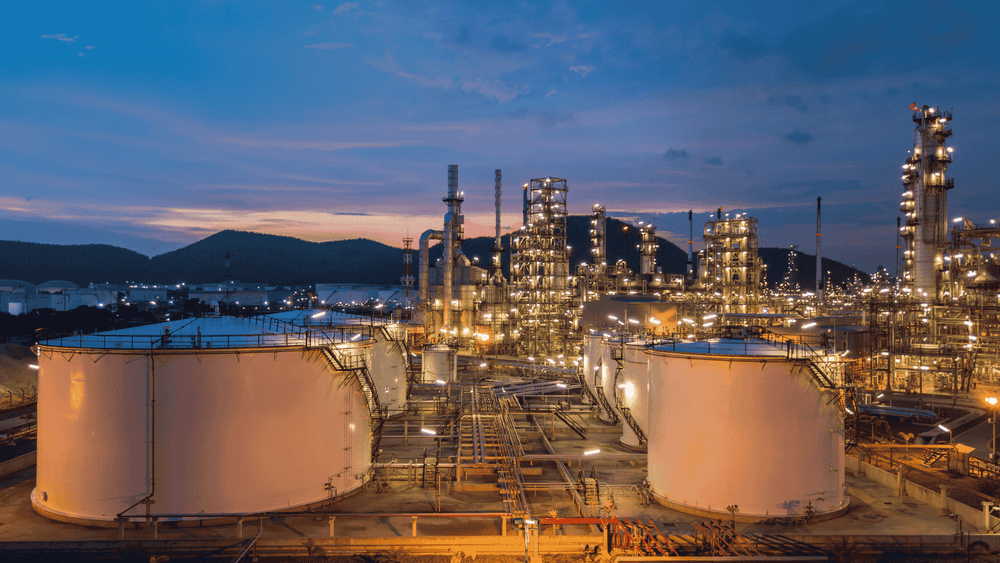
From geopolitical shocks and carbon scrutiny to molecule economics and Net Zero ambitions, India’s downstream sector is undergoing a structural reinvention beyond conventional refining and fuels.
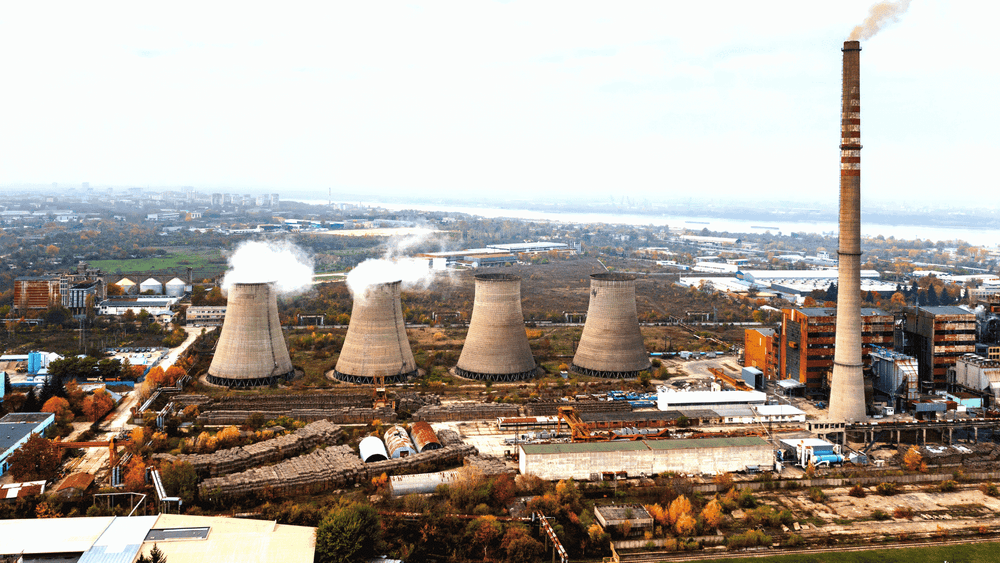
As India grapples with rising energy demand, cooling requirements and decarbonisation pressures, trigeneration systems could emerge as a high-efficiency solution capable of simultaneously delivering electricity, heating and cooling while improving fuel utilisation and reducing emissions.
This leadership conference comes at a pivotal moment as rising Liquified Natural Gas (LNG) dependence, expanding pipeline infrastructure and the emergence of clean molecules reshape India’s energy, industrial and market architecture.
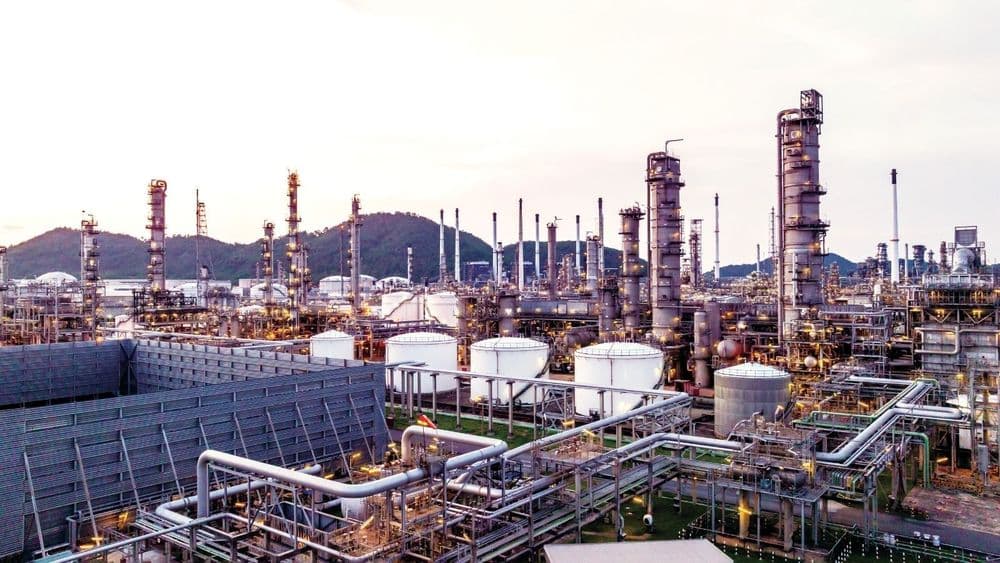
The downstream sector is evolving into a diversified industrial ecosystem driven by petrochemicals, decarbonisation, digitalisation, and circular economy strategies.
A US-India Business Council report has projected bilateral hydrocarbon trade between two nations could rise to $500 billion by 2030 driven by expanding cooperation across LNG, crude oil and petrochemicals.

Energy alone is not enough; the future belongs to those who transform it into strategic, industrial, and economic advantage.
India’s energy transition is not unfolding through a simple shift from old to new, but through the simultaneous management of energy security, industrial growth, decarbonisation, safety and strategic resilience.
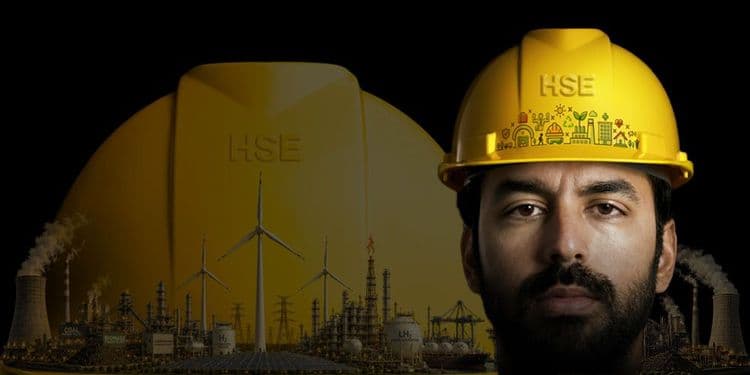
Across India’s energy value chain, Health, Safety and Environment (HSE) is being integrated into operational systems through inspections, training, audits, and monitoring, making risk management integral to how these operations run at scale.
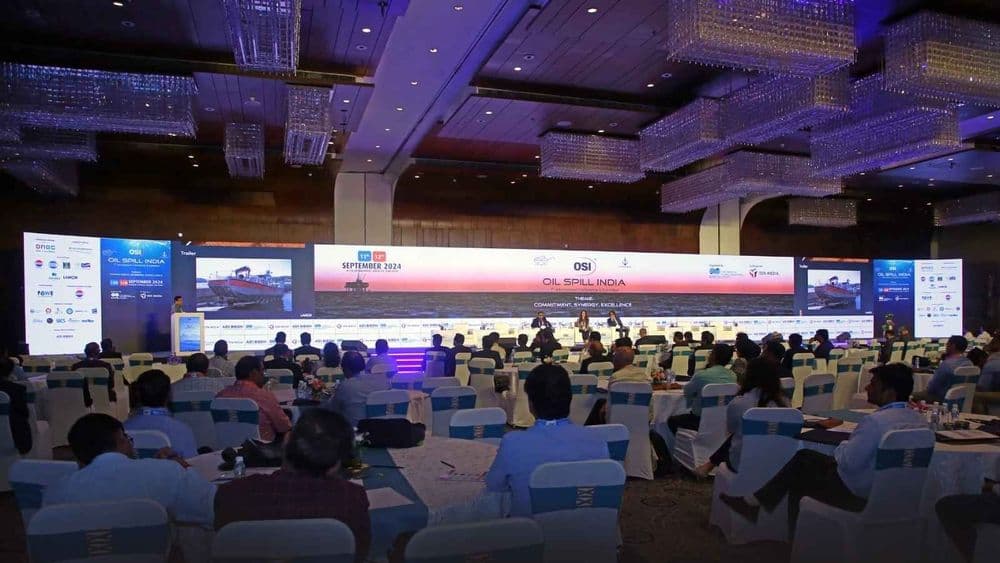
As offshore activity deepens and climate risks intensify, Oil Spill India 2026 to be held in New Delhi will shift the focus from response to anticipatory, technology-led spill management, bringing policy, industry and science into a unified resilience framework.
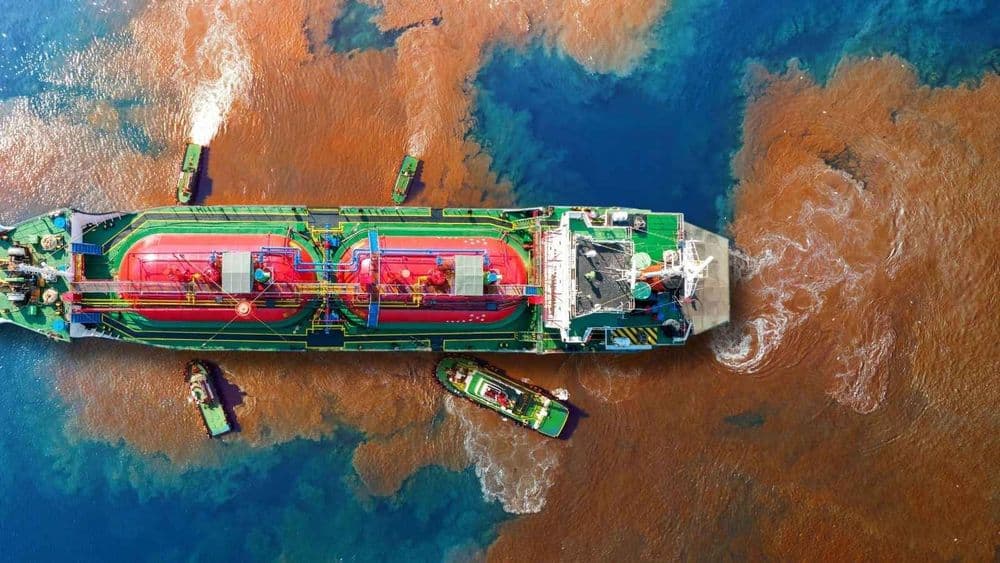
Rising environmental and economic risks are driving a transition towards preparedness-led systems focused on early detection, coordination and rapid response.
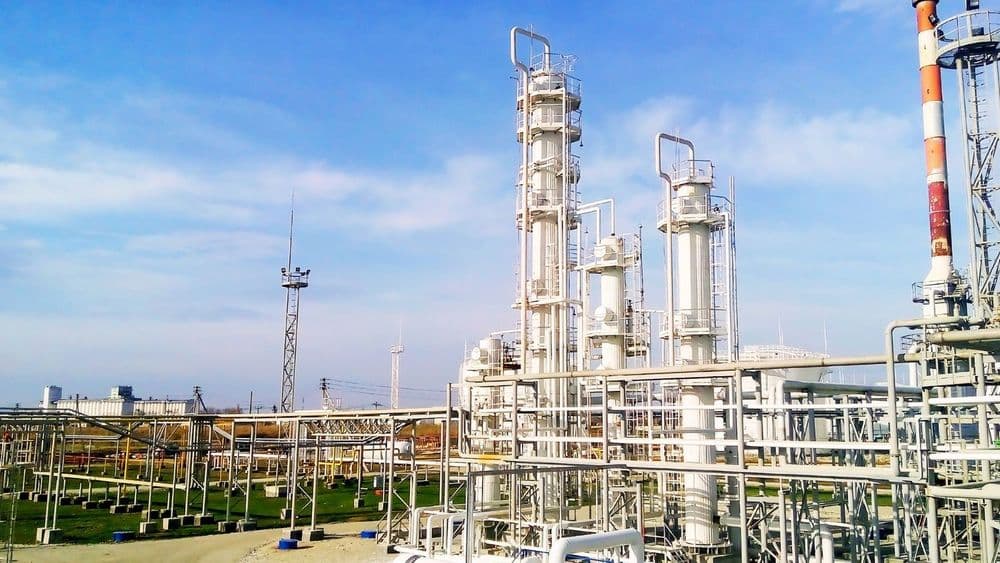
The Centre has allowed supply of C3 and C4 hydrocarbon streams to critical sectors as part of measures to manage downstream availability amid disruptions linked to the West Asia situation.
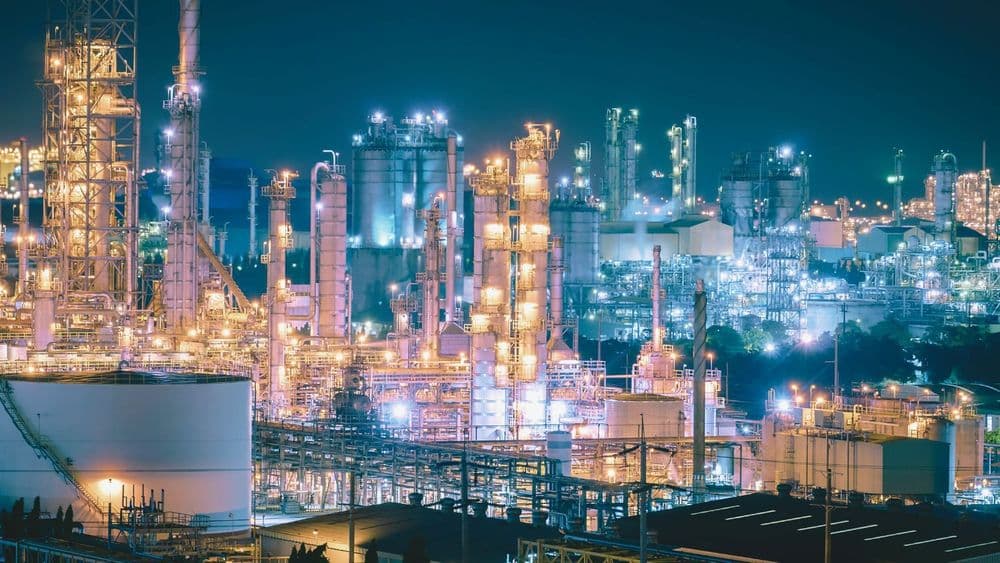
The Centre has granted full customs duty exemption on key petrochemical products till June 30 to ease supply pressures amid West Asia disruptions.
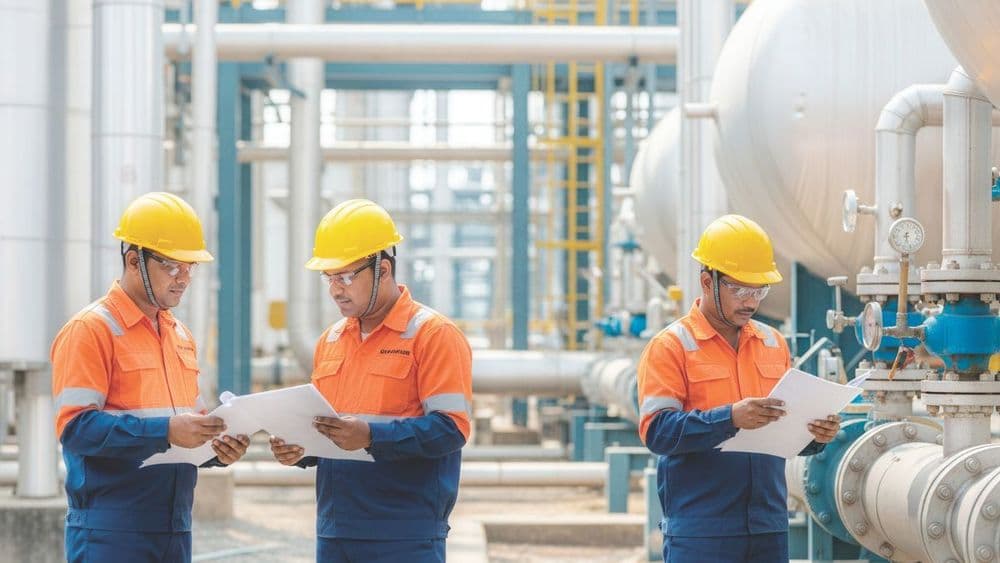
The Process Hazard Analysis Software Tool (PHAST) integrates discharge, dispersion and effects modelling into the Process Hazard Analysis (PHA) process to quantify fire, explosion and toxic release consequences under specified conditions.

The United States is set to remove the 25 percent additional tariff imposed on India for importing Russian crude oil, according to a Bloomberg report.
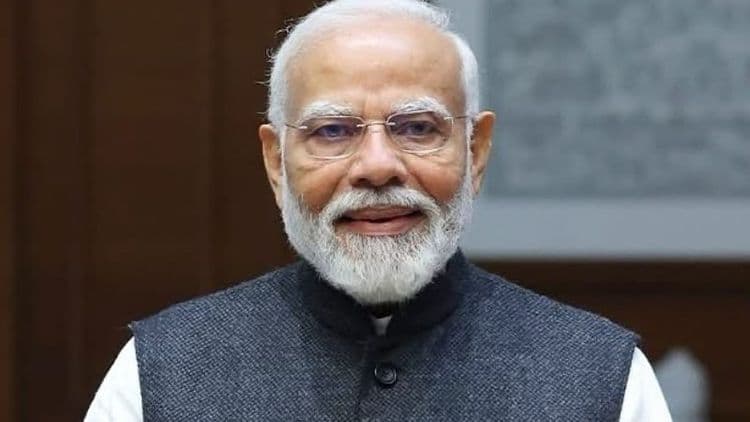
Prime Minister Narendra Modi will inaugurate India Energy Week 2026 in Goa virtually, with global ministers and industry leaders gathering to discuss energy security, investment and decarbonisation pathways.
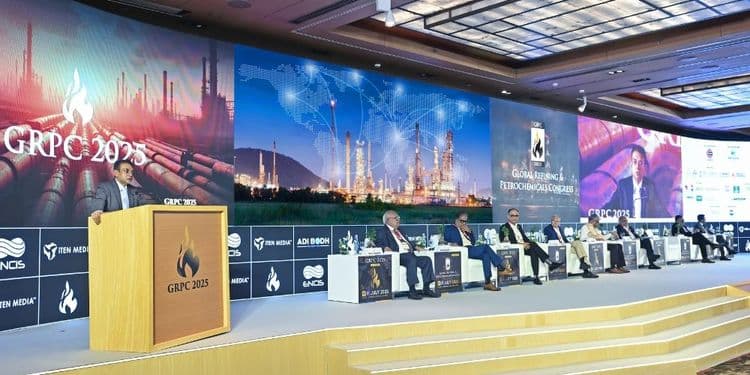
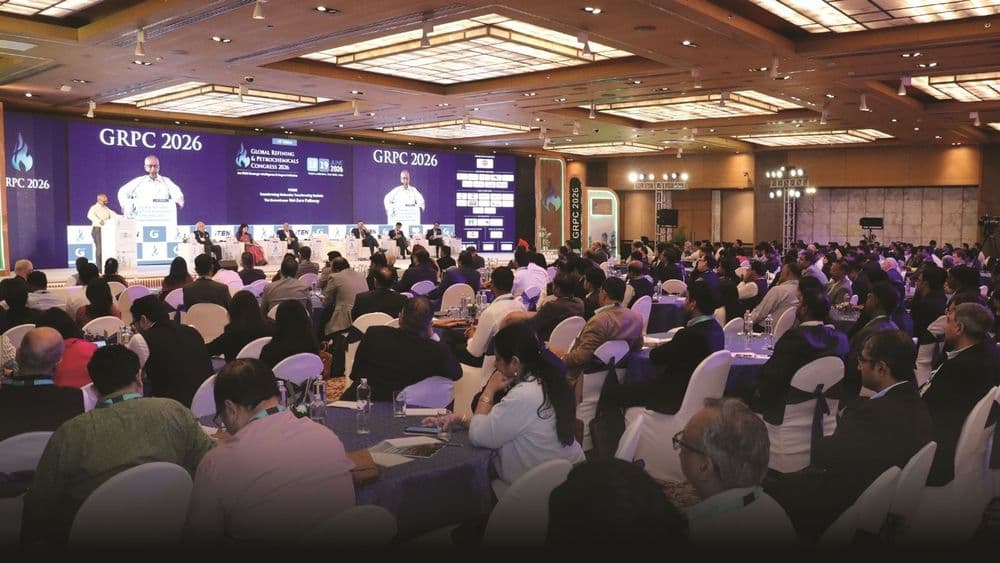
As the downstream sector enters a decisive phase of structural change, GRPC 2026 will gather the industry’s key players to define the choices that will set its trajectory for the decade ahead.