The downstream industry is arguably experiencing one of the most consequential and fragile phases in recent history. The US-Israel-Iran-triggered conflict in West Asia, which began on February 28, has effectively closed the Strait of Hormuz shipping lane, endangering the freedom of navigation of oil tankers and skyrocketing global crude prices, which peaked at 50-70 percent, exposing the vulnerability of the hydrocarbon segment.
Simultaneously, the industry must always remain on its toes, as its sustainability performance is increasingly being linked with ever-stricter climate regulations, carbon intensity scrutiny by investors, and industrial competitiveness. As the world’s third largest oil consumer and a major fastest-growing economy, these disruptions are converging at a critical moment.
Navigating Geopolitical Volatility
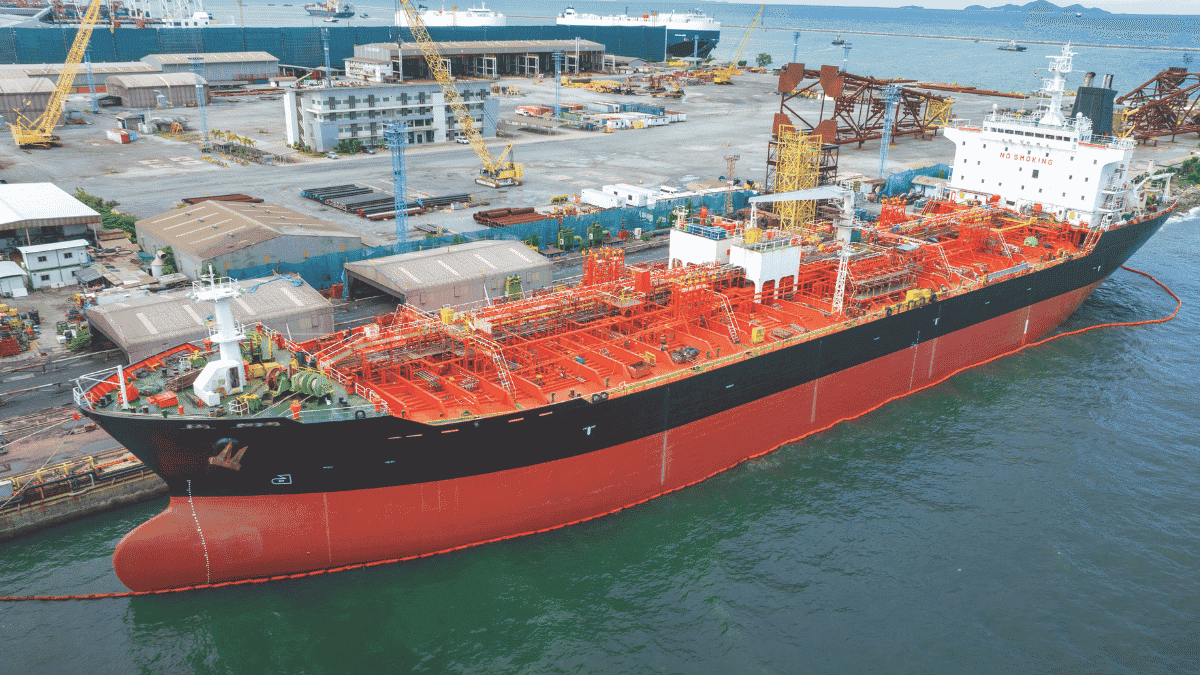
As per the International Energy Agency (IEA), the Strait of Hormuz is one of the world’s most critical oil transit chokepoints, as approximately 25 percent of the global seaborne oil trade passes through the strait. Moreover, IEA has remarked that decarbonisation pressures and changes in the pattern of energy demand are accelerating the structural transformation of the energy sector worldwide.
India’s downstream sector is, therefore, not untouched and will realise profound implications. While the sector must be on an expansion spree for refining and petrochemicals capacities to support manufacturing growth, urbanisation, mobility and infrastructure development, it must also gear up for the new world shaped by carbon-conscious markets, digital disruption, circularity mandates and geopolitical fragmentation.
Evidently, the story has moved from an energy transition to the reinvention of industrial systems themselves—and the downstream sector is at its epicentre, which is evolving from a conventional fuel-processing industry into an integrated ecosystem. This ecosystem comprises fuels, chemicals, materials, circular feedstocks, low-carbon technologies and digital intelligence.
India has to import around 89 percent of its total crude oil consumption, as per the Petroleum Planning & Analysis Cell. Its 35 to 50 percent of crude oil imports are linked to shipments passing through the Strait of Hormuz. The disruption in and around the strait impacts freight prices, insurance premiums, refinery economics, industrial planning and inflation.
However, the deeper concern is structural. Downstream competitiveness cannot continue to rely only on refining throughput or operational efficiency. Equally crucial are supply resilience, feedstock diversification and geopolitical adaptability. This shift is accelerating with crude sourcing diversification, strategic petroleum reserve expansion, investments in integrated refining-petrochemical systems, Liquefied Natural Gas (LNG) infrastructure growth and the search for alternative feedstocks.
The story has moved from an energy transition to the reinvention of industrial systems themselves– and the downstream sector is at its epicentre
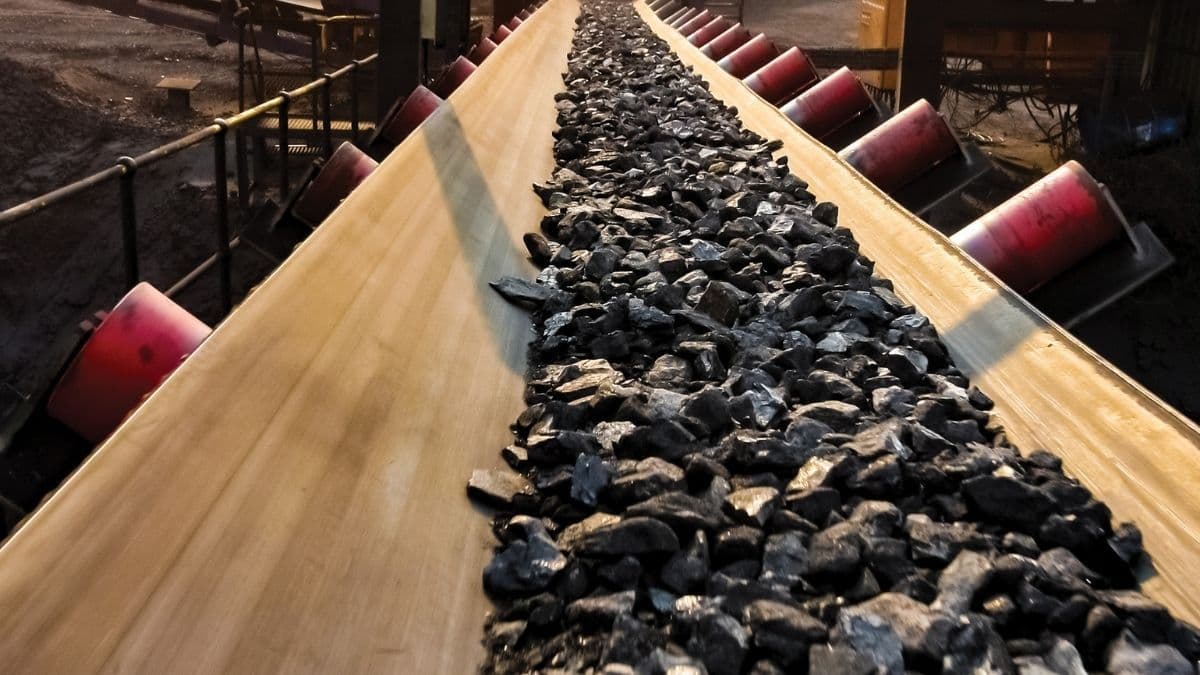
Reconfiguring Process for Molecule-centric Economics
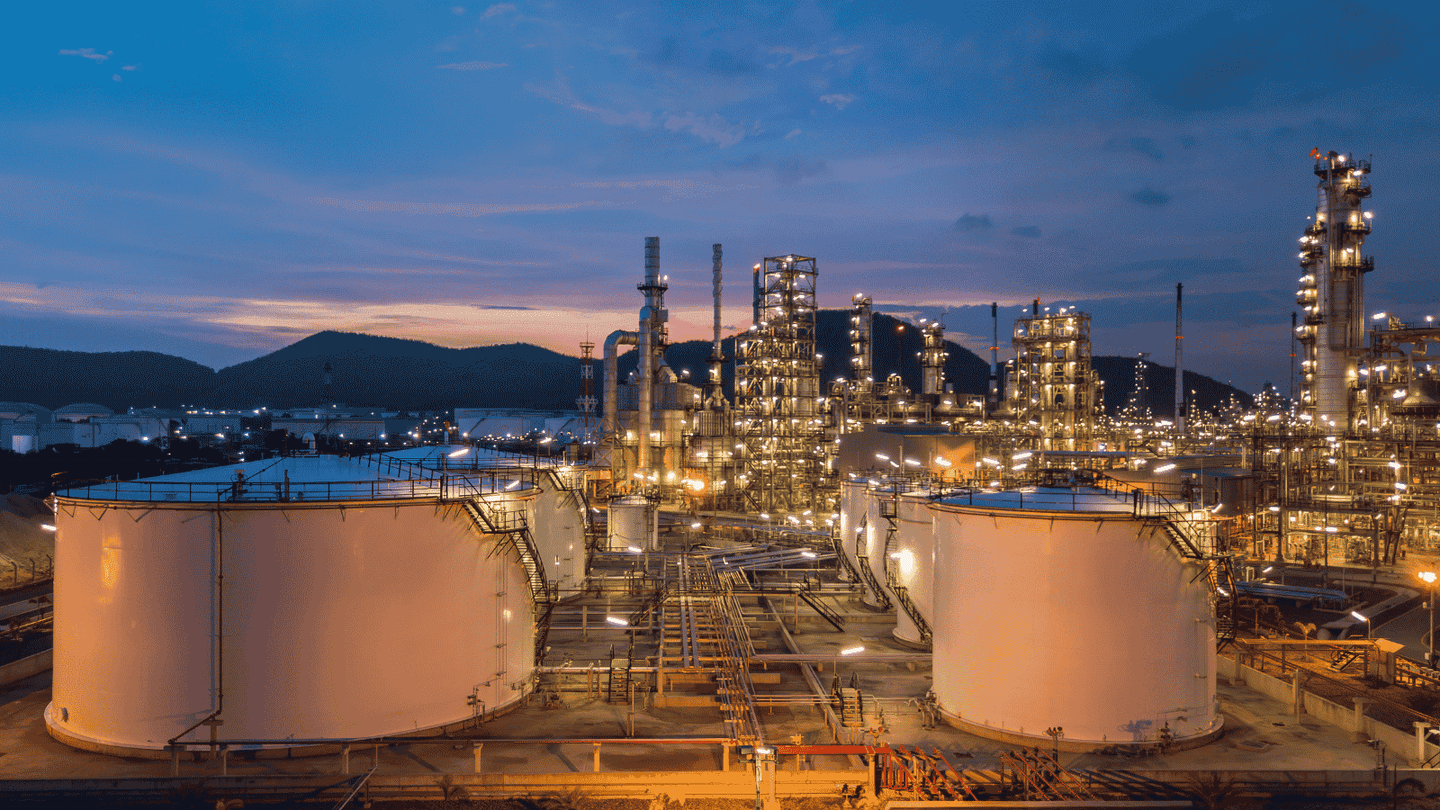
The downstream sector is undergoing the most profound transformation with a shift from fuel-centric refining to molecule-centric economics. Their profitability has depended on transportation fuels, and they understand that the country’s fuel consumption is expected to remain strong for years. However, they also recognise their future growth cannot solely rely on petrol and diesel, as a change in long-term fuel demand pattern is being set by electric mobility, fuel-efficiency improvements, biofuel blending mandates and evolving mobility.
This reality underscores increased focus on Oil-to-Chemicals (O2C) integration, which is prompting downstream complexes to design their process for converting crude into higher-value petrochemicals such as speciality chemicals and industrial materials, rather than maximising fuel output alone. Notably, McKinsey & Company and Wood Mackenzie studies have revealed that petrochemicals are expected to remain among the largest drivers of future oil demand growth globally.
Reflecting this shift are projects such as Indian Oil Corporation Ltd’s (IOCL) integrated refining and petrochemical expansion plans at Panipat, Reliance Industries Ltd’s (RIL) petrochemical focus in Jamnagar complex, and Bharat Petroleum Corporation Ltd’s (BPCL) and Hindustan Petroleum Corporation Ltd’s (HPCL) downstream integration strategies.
Downstream sector recognise their future growth cannot solely rely on petrol and diesel, as a change in long-term fuel demand pattern is being set by electric mobility, fuel-efficiency improvements, biofuel blending mandates...
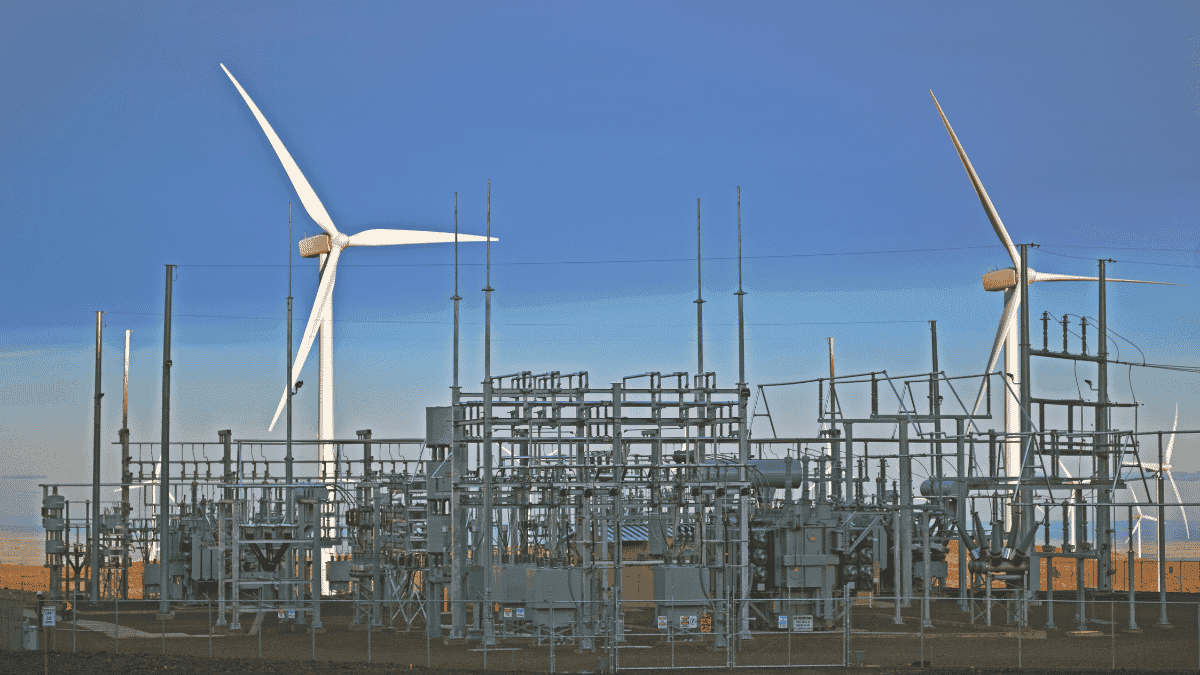
Gearing up for Net Zero
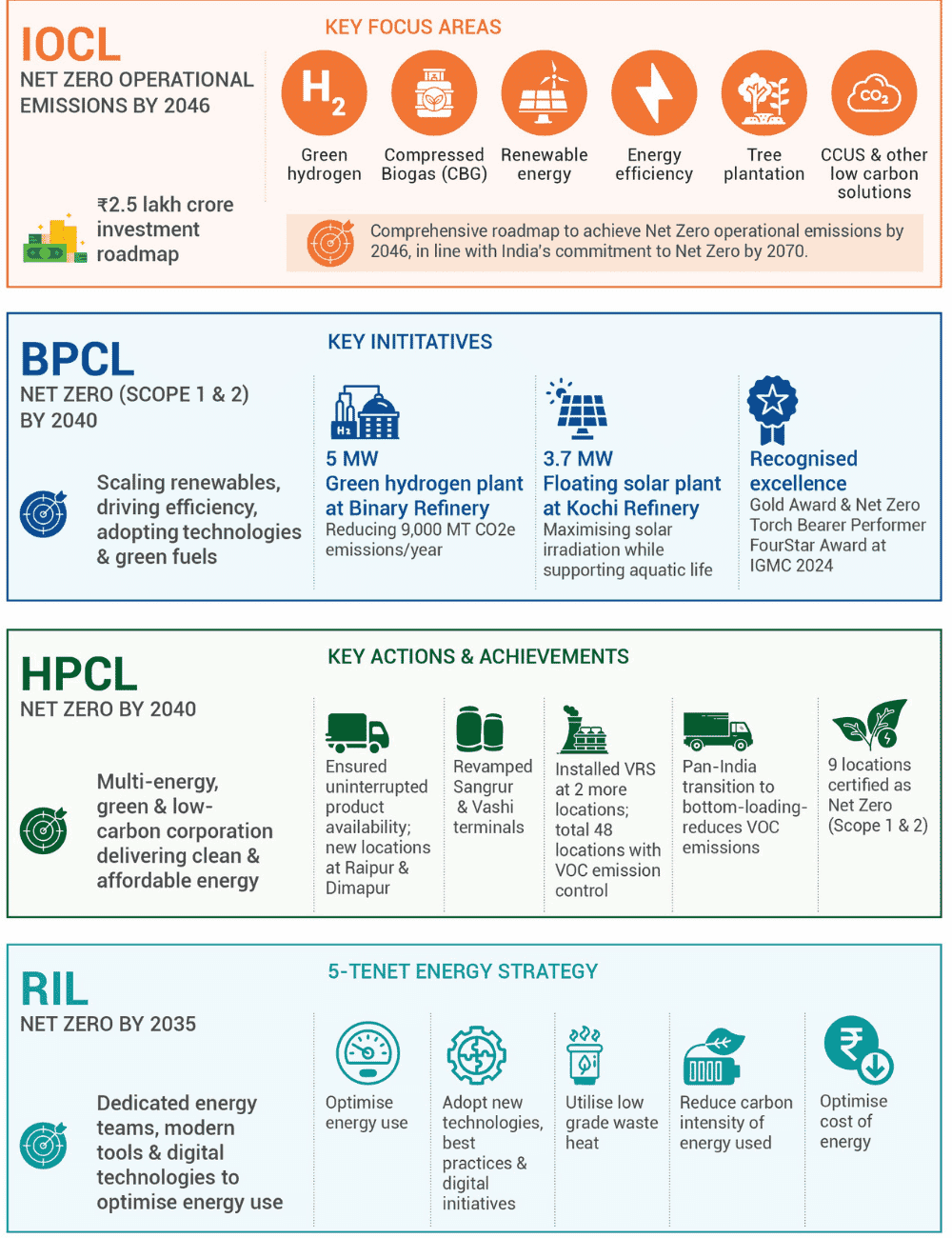
Downstream companies have a dual role of meeting the national energy needs as well as pursuing Net Zero goals. Striking a balance, IOCL has said that it is eying to achieve Net Zero operational emissions by 2046. Its decarbonisation plans encompass both Scope 1 and 2 emissions, aligning with the country’s stated commitment to achieve Net Zero by 2070. In its Annual Report 2024-25, the company has informed that it has charted a comprehensive roadmap with a planned investment of ₹2.5 lakh crore to achieve its Net Zero operational emissions goal by 2046. Moreover, it is pursuing a multifaceted strategy to reduce its carbon footprint, focusing on key areas: green hydrogen, Compress Biogas (CBG), renewable energy, energy efficiency, tree plantation and Carbon Capture Utilisation & Storage (CCUS), among others.
By 2040, BPCL has informed that it aims to achieve Net Zero for its Scope 1 and 2 Greenhouse Gas (GHG) emissions. The company’s climate roadmap prioritises scaling renewable energy, improving operational efficiency, accelerating technology adoption and investing in green fuels.
Making significant strides towards sustainability initiatives, BPCL has commissioned a 5 MW green hydrogen plant at Bina Refinery and the hydrogen is routed for refinery application.The project, as per the company, shall provide much needed data and experience before the bigger units are commissioned in its refineries and help to reduce 9,000 MT a year carbon dioxide equivalent emission. Besides, the company commissioned a 3.7 MW floating solar plant at its firewater reservoir pond at Kochi Refinery. The facility is designed to have maximum solar irradiation whilst ensuring adequate sunlight for the aquatic lives.
Attracting accolades, the company’s Mumbai Refinery won the gold award and the Net Zero Torch Bearer Performer FourStar Award in the manufacturing category at the 10th India Green Manufacturing Challenge (IGMC).
HPCL’s strategy to achieve Net Zero by 2040 is centred on transformative energy-efficiency initiatives, the widespread adoption of renewable energy and a push towards biofuels and circular economy practices. Focused on reducing Scope 1 and 2 emissions, the company has said that it strives to become a multi-energy, green and low-carbon corporation while continuing to deliver clean and affordable energy solutions to its customers.
On the ground, the company has informed in its Annual Report 2024- 25, that it ensured uninterrupted nationwide product availability through efficient supply chain operations, commissioned new supply locations at Raipur(Chhattisgarh) and Dimapur (Nagaland), revamped Sangrur and Vashi Terminals, installed Vapour Recovery Systems (VRS) at two additional locations, taking the total to 48 locations with VOC emission control. Besides, HPCL has completed pan-India transition to bottom-loading, significantly reducing VOC emissions and improving safety. It has stated in the report that its nine locations have been certified as Net Zero (Scope 1 and 2).
RIL’s goal to achieve Net Zero is by 2035. The company has said that it has set up dedicated energy teams across sites and at the central level, equipped with modern tools and technologies to systematically monitor, benchmark, audit and optimise energy usage. The focus of these teams is aligned and contributing towards achieving the company’s long-term objective of Net Zero by 2035. The company’s energy management strategy is guided by five tenets: optimise energy use; adapt new and emerging technologies, best practices and digital initiatives; utilise low grade waste heat; reduce carbon intensity of energy used; and optimise cost of energy. In its Annual Report 2024-25, RIL informed that it has made substantial progress on photosynthetic biological pathways to convert its carbon dioxide emissions at Jamnagar into high-value proteins, nutraceuticals, advanced materials and fuels. Besides, it has informed that it will develop next-gen carbon capture and storage technologies. Going forward, RIL will replace transportation fuels with clean electricity and hydrogen.
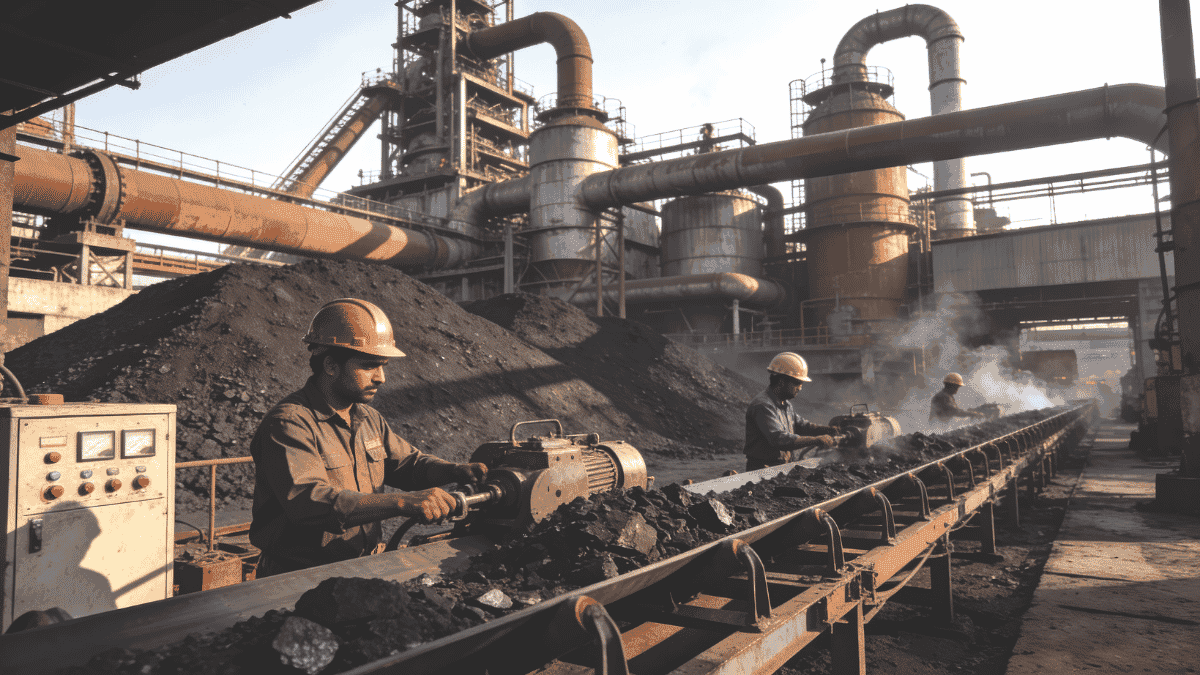
Downstream companies have a dual role of meeting the national energy needs as well as pursuing Net Zero goals
India imports over half of its LNG, around 20% of urea, about 100% of ammonia and nearly 80 to 90% of methanol
Pushing Coal Gasification as Industrial, Strategic Tool
India imports over half of its LNG, around 20 percent of urea, about 100 percent of ammonia and nearly 80 to 90 percent of methanol. Its import bill for these key substitutable products and ammonium nitrate, coking coal, and DME stood at approximately ₹2.77 lakh crore in FY 2025, a vulnerability further exposed by the ongoing geopolitical situation in West Asia. To strengthen energy security and reduce dependence on imports of key products, the Union Cabinet has approved a scheme for the promotion of surface coal or lignite gasification projects with a financial outlay of ₹37,500 crore.
This marks a major step towards accelerating India’s coal or lignite gasification programme, advancing the national target of gasifying 100 MT of coal by 2030. The scheme seeks to incentivise new surface coal or lignite gasification projects for the production of synthesis gas (syngas) and its downstream products, targeting gasification of approximately 75 MT of coal or lignite. Financial incentive provided at a maximum of 20 percent of the cost of plant and machinery.
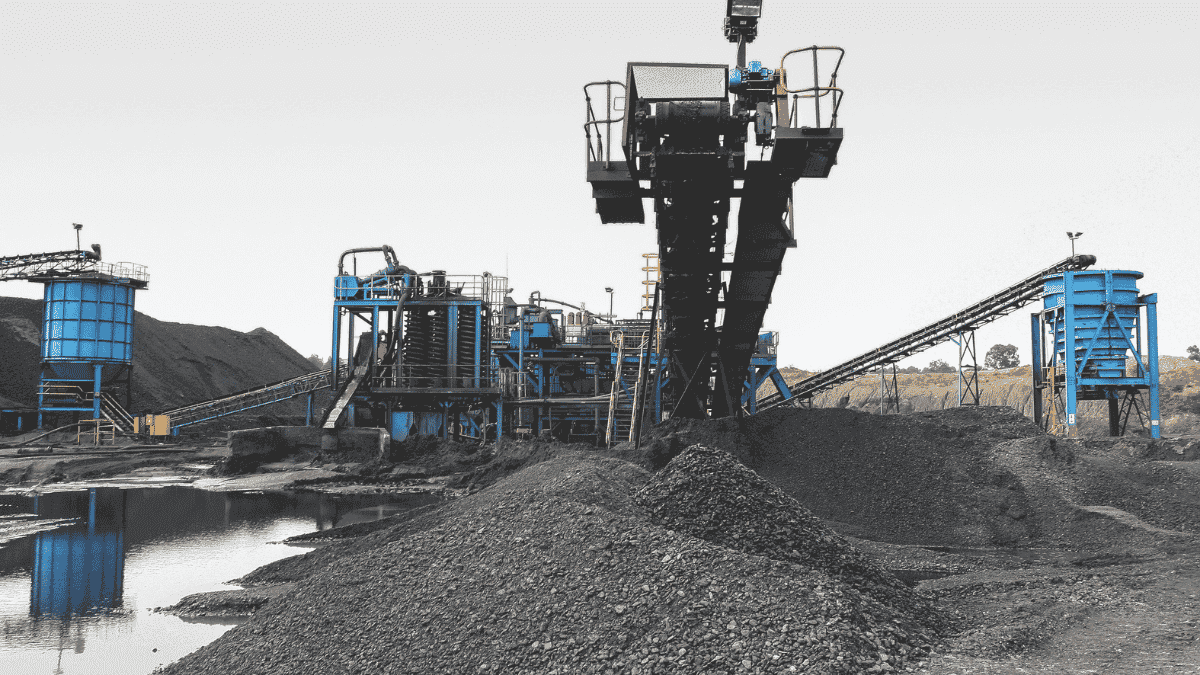
Gasification converts coal or lignite into (syngas), a versatile feedstock for producing fuels and chemicals domestically, enabling India to substitute high-value imports and insulate itself from global supply disruptions and price volatility.
In a significant accompanying reform, the government has also extended coal linkage tenure up to 30 years under ‘Production of Syngas leading to Coal Gasification’ sub-sector in the Non-Regulated Sector (NRS) linkage auction framework, providing long-term policy certainty for investment in coal gasification projects. The government estimates that the scheme will mobilise ₹2.5-3 lakh crore and is projected to create around 50,000 direct and indirect jobs across 25 projects in coalbearing regions.
Notably, India has one of the world’s largest coal reserves of around 401 billion tonnes and lignite reserves of nearly 47 billion tonnes, with coal accounting for over 55 percent of the country’s energy mix. Against this backdrop, the government sees coal gasification as both an industrial and strategic tool capable of supporting energy security, import substitution and cleaner utilisation of domestic coal resources. The new scheme builds on the National Coal Gasification Mission launched in 2021 and a ₹8,500 crore scheme approved in January 2024, under which eight projects worth ₹6,233 crore are under implementation.
The future of downstream industry will increasingly depend on its ability to balance energy security, industrial growth and decarbonisation imperatives simultaneously. As companies diversify feedstocks, expand petrochemical integration and accelerate Net Zero roadmaps, the sector is steadily evolving from a conventional refining business into a resilient, technology-driven and low-carbon industrial ecosystem.