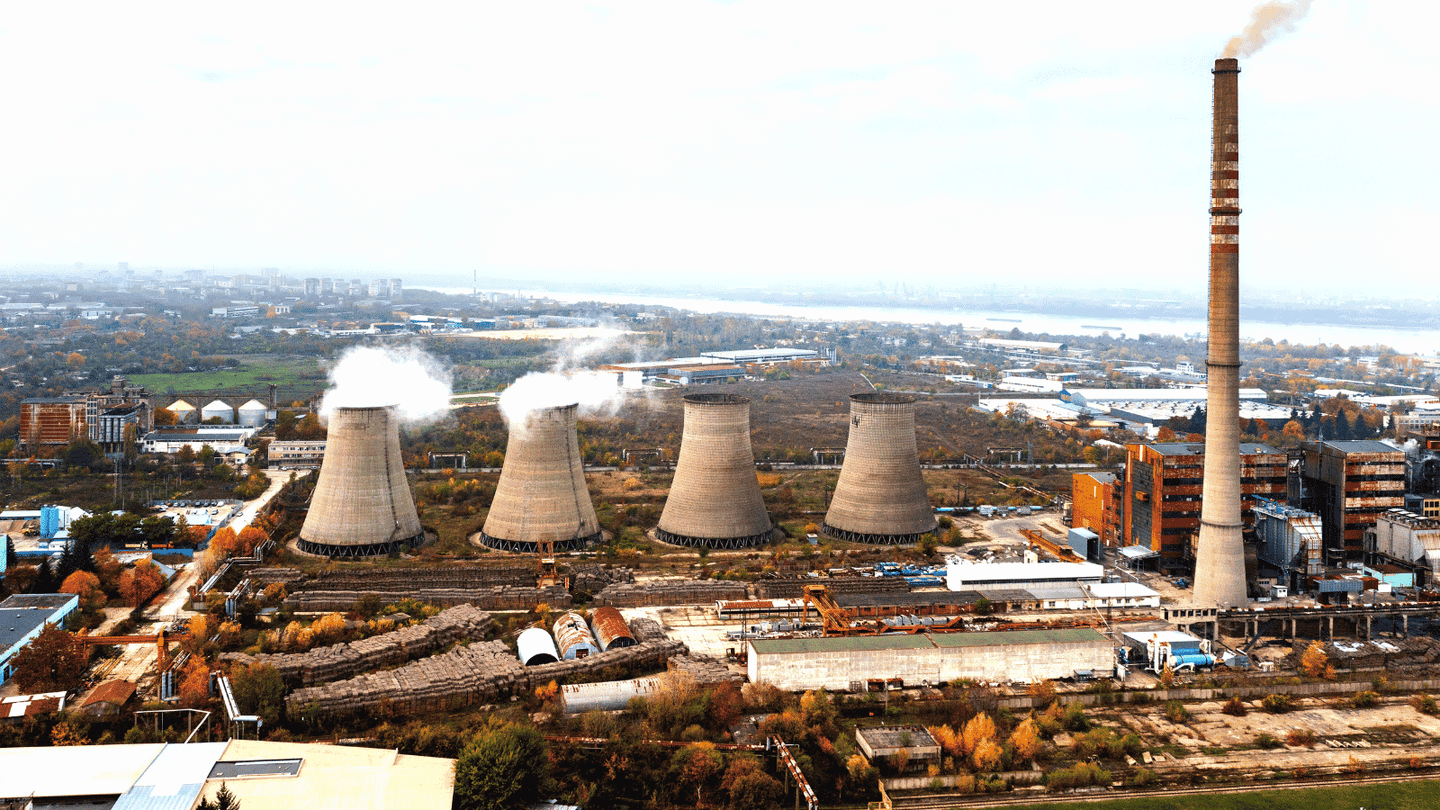
Trigeneration enables the simultaneous production of electricity, useful heat and cooling from a single fuel source, typically natural gas
India's energy transition is increasingly centred around renewable energy, electrification and decarbonisation. Yet, amid the push towards cleaner and more efficient energy systems, one technology continues to remain significantly underutilised: trigeneration, also known as Combined Cooling, Heat and Power (CCHP).
Trigeneration enables the simultaneous production of electricity, useful heat and cooling from a single fuel source, typically natural gas. Unlike conventional systems where power, heating and cooling are generated separately, trigeneration integrates all three energy services into a unified system, significantly improving fuel utilisation while reducing operating costs and emissions.
With India witnessing rising cooling demand, urbanisation pressures, grid reliability concerns and growing industrial energy requirements, trigeneration could emerge as an important component of the country’s future energy infrastructure.
Understanding the Trigeneration Process
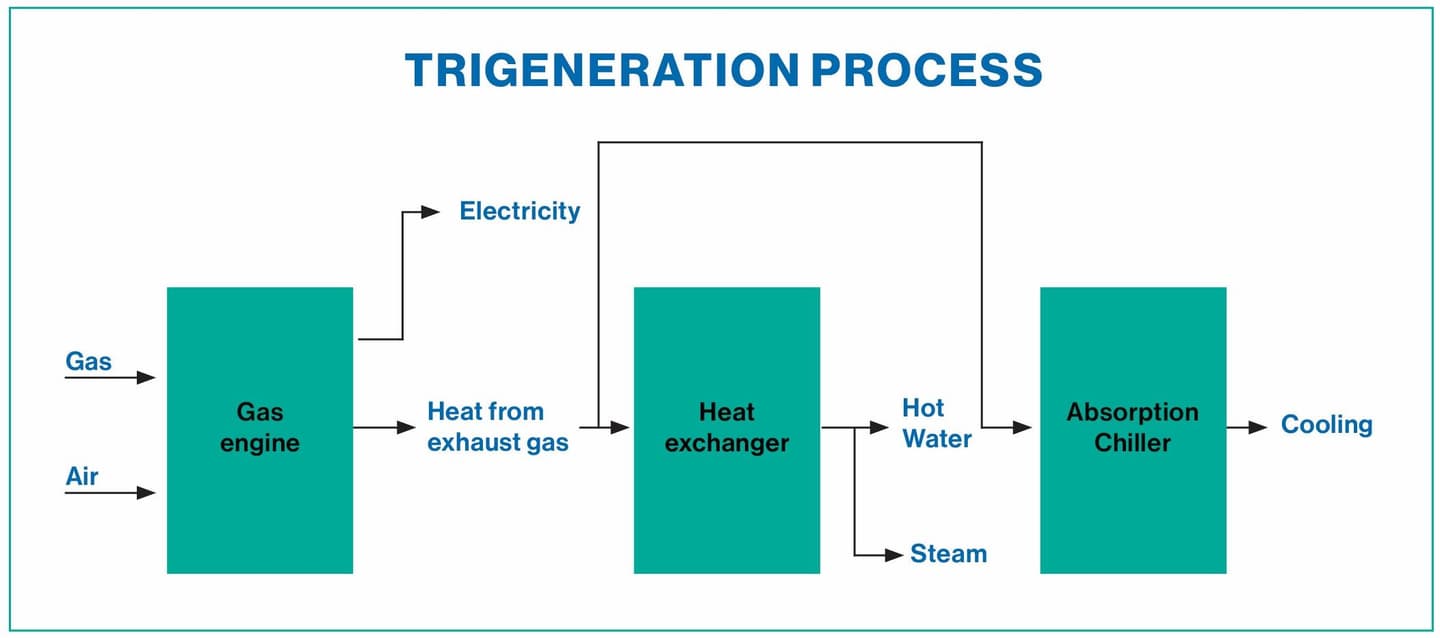
Trigeneration is an advanced form of cogeneration in which waste heat generated during electricity production is recovered and utilised for both heating and cooling applications. In a typical trigeneration setup, natural gas engines or turbines generate electricity while waste heat from exhaust gases is captured through heat exchangers. The recovered thermal energy is then utilised to produce steam, hot water or chilled water through absorption chillers. Unlike conventional refrigeration systems that rely heavily on electricity, absorption chillers utilise thermal energy to drive the cooling cycle. Since these systems contain relatively few moving components, they generally involve lower mechanical wear and reduced maintenance requirements.
The efficiency gains from trigeneration are particularly significant because conventional coal-based thermal power generation systems often lose a substantial portion of energy during electricity generation and transmission. By generating energy on-site and simultaneously utilising waste heat, trigeneration maximises fuel efficiency while minimising transmission losses.
By generating energy on-site and Simultaneously utilising waste heat, trigeneration maximises fuel efficiency while minimising transmission losses
Why Trigeneration Matters for India
India’s commercial and industrial sectors are witnessing rapidly rising demand for electricity and cooling. Hospitals, IT parks, hotels, malls, pharmaceutical facilities, textile clusters, educational campuses and data centres require uninterrupted electricity alongside simultaneous heating and cooling requirements.
At the same time, businesses continue to grapple with high electricity tariffs, grid variability, diesel backup dependency and increasing pressure to lower carbon emissions. Trigeneration offers a possible solution by enabling decentralised, high-efficiency energy generation closer to the point of consumption.
The northern and central regions of India, which experience extreme seasonal temperature variations, are particularly well suited for trigeneration systems because they require cooling during summers and heating during winters. Such integrated systems can therefore improve operational efficiency while reducing overall fuel consumption.
The economics of natural gas remain one of the biggest challenges facing trigeneration deployment in India
Efficiency, Reliability and Emissions Advantage
One of the strongest advantages of trigeneration lies in its significantly higher efficiency compared to conventional grid-based electricity generation. Conventional coal-based thermal power generation systems typically operate at efficiencies of nearly 30–35 percent, whereas gasbased trigeneration systems can achieve efficiencies in the range of 70–85 percent under optimal operating conditions through combined utilisation of electricity, heating and cooling.
Gas-based trigeneration systems also offer lower carbon emissions compared to coal-dominated grid power. In addition to reducing greenhouse gas emissions, these systems typically require lower land and water usage while improving local air quality relative to conventional coal-based alternatives.
Another major operational advantage is energy reliability. Since electricity is generated on-site, trigeneration systems reduce exposure to grid outages and transmission losses. Several modern gas engines are also increasingly being designed to accommodate limited hydrogen blending, improving their long-term compatibility with future decarbonisation pathways.
Global Policy Momentum
Globally, cogeneration and trigeneration technologies are increasingly being integrated into energy-efficiency and climate policy frameworks. Governments across Europe and Asia view CHP and CCHP systems as important transitional technologies capable of improving primary energy efficiency while supporting decentralised energy systems.
The European Union has long promoted high-efficiency CHP systems through directives aimed at reducing emissions and improving energy performance. Germany, in particular, has implemented strong legislative and financial support mechanisms under its Combined Heat and Power Act to accelerate CHP deployment.
China has also actively promoted distributed energy systems, including trigeneration, through subsidies, pilot projects and supportive grid connection policies. The country has positioned CCHP systems as part of its broader strategy to gradually reduce dependence on coal-based power generation.
India’s Experience So Far
Despite its technical viability, trigeneration adoption in India has remained relatively limited. High imported Liquified Natural Gas (LNG) prices, taxation challenges and the absence of sustained policy support have affected project economics across sectors.
However, several successful projects have demonstrated the operational feasibility of the technology. One of the most notable examples is the trigeneration installation at Dinanath Mangeshkar Hospital in Pune.
The hospital installed three 1.2 MW natural gas-fired engines integrated with absorption chillers to simultaneously supply electricity, cooling and steam. The 20 crore project reportedly achieved system efficiencies of nearly 75–80 percent while reducing annual carbon dioxide emissions by approximately 5,400 tonnes.
Project estimates indicated electricity costs of nearly 12.5 per kWh compared to prevailing grid tariffs of approximately 17 per kWh at the time of assessment, resulting in savings of around 4.5 per kWh. Based on an annual generation of roughly 11.6 million kWh, the project was estimated to achieve a payback period of nearly 2.5 years.
Other commercial installations, including the GAIL Jubilee Tower project, have also demonstrated the technical feasibility of gas-based trigeneration systems. However, several commercial installations faced economic pressure due to rising gas prices, affecting long-term operational viability.
Key Challenges Hindering Adoption
The economics of natural gas remain one of the biggest challenges facing trigeneration deployment in India. Since many projects depend on imported LNG, fluctuations in international gas prices directly affect project viability.
Another major challenge is the absence of dedicated policy incentives. Unlike renewable energy technologies, trigeneration systems currently do not enjoy widespread fiscal support, mandatory adoption frameworks or targeted financing mechanisms. High upfront capital expenditure also continues to limit adoption, particularly among midsized commercial and industrial users. In addition, awareness regarding the long-term operational and efficiency benefits of trigeneration remains relatively limited across the market.
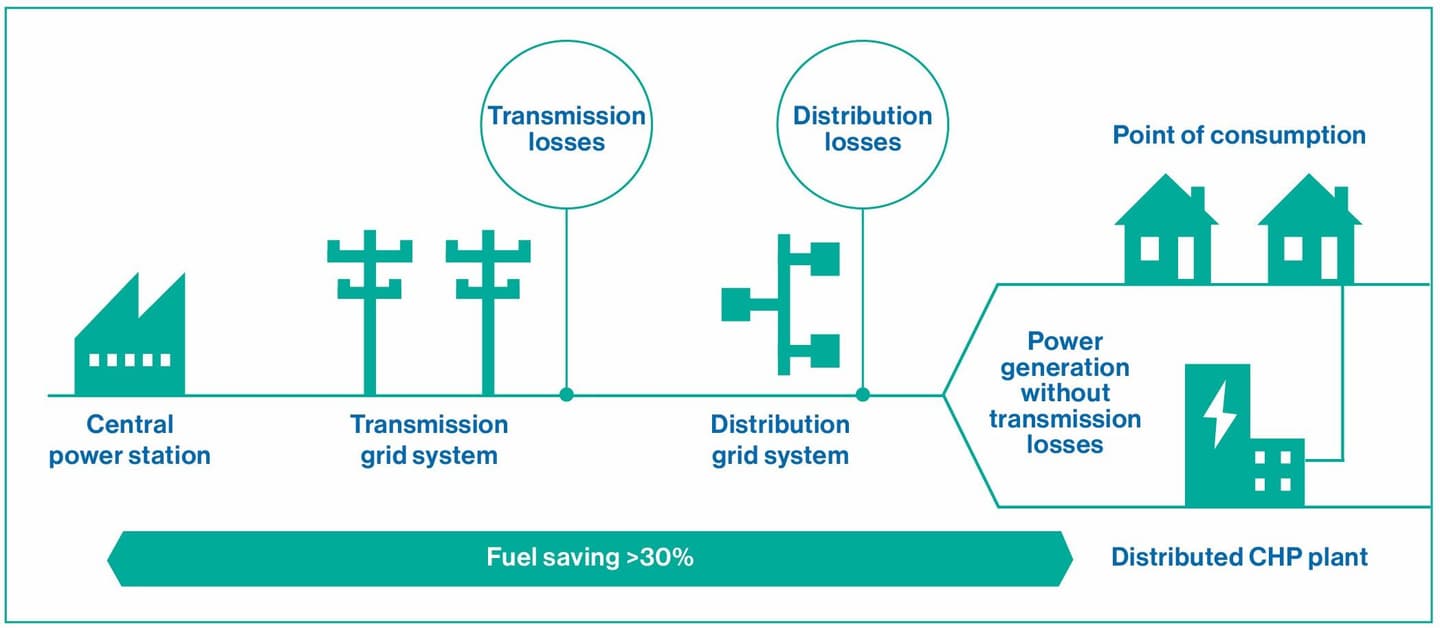
Conventional coalbased thermal power generation systems typically operate at efficiencies of nearly 30–35%, whereas gasbased Trigeneration systems can achieve efficiencies in the 70–85% range under optimal operating conditions through combined utilisation of electricity, heating and cooling
The Road Ahead
Trigeneration adoption can be accelerated through targeted policy and commercial interventions. These include identification of high-potential demand clusters such as hospitals, IT parks, hotels, malls and data. centres where simultaneous demand for electricity, heating and cooling already exists.
Mandatory energy-system feasibility assessments for large greenfield developments during project approval stages could also help mainstream the technology. Long-term gas supply arrangements, tariff-linked incentives, tax rationalisation and innovative financing structures could further improve project economics. Energy Service Company (ESCO)-led business models and green finance mechanisms may also play an important role in reducing investor risk and encouraging large-scale deployment.
Most importantly, scaling trigeneration in India will require coordinated action among the Ministry of Petroleum and Natural Gas, Ministry of Power, Ministry of Housing and Urban Affairs, state governments, regulators, gas suppliers, financiers and technology providers.
Properly positioned, trigeneration can support India’s broader priorities around clean-fuel adoption, industrial Decarbonisation, grid resilience and sustainable urban infrastructure
Trigeneration represents more than just an energy-efficiency solution. Properly positioned, it can support India’s broader priorities around clean-fuel adoption, industrial decarbonisation, grid resilience and sustainable urban infrastructure. Although challenges related to gas pricing and policy support continue to persist, successful projects have already demonstrated the operational and environmental potential of trigeneration systems. With the right regulatory framework, competitive gas pricing and financing support, trigeneration could evolve from isolated pilot projects into a mainstream component of India’s future energy ecosystem.
This case study is based on a Petroleum and Natural Gas Regulatory Board (PNGRB)- supported study authored by Sunit Verma and Balaji Sehgal. The views expressed in the original study are meant to inform consumers and stakeholders for efficient decision making and do not represent the considered views of the Board and are only meant to promote public debate.