21 OCT 2026-Oil & Gas
GAIL Launches Season 2 Of ‘Wah Kya Energy Hai’ Campaign
GAIL’s new ‘Wah Kya Energy Hai’ campaign drives awareness for sustainable energy choices nationwide.

All content tagged with “Biofuels” - 26 items
GAIL’s new ‘Wah Kya Energy Hai’ campaign drives awareness for sustainable energy choices nationwide.
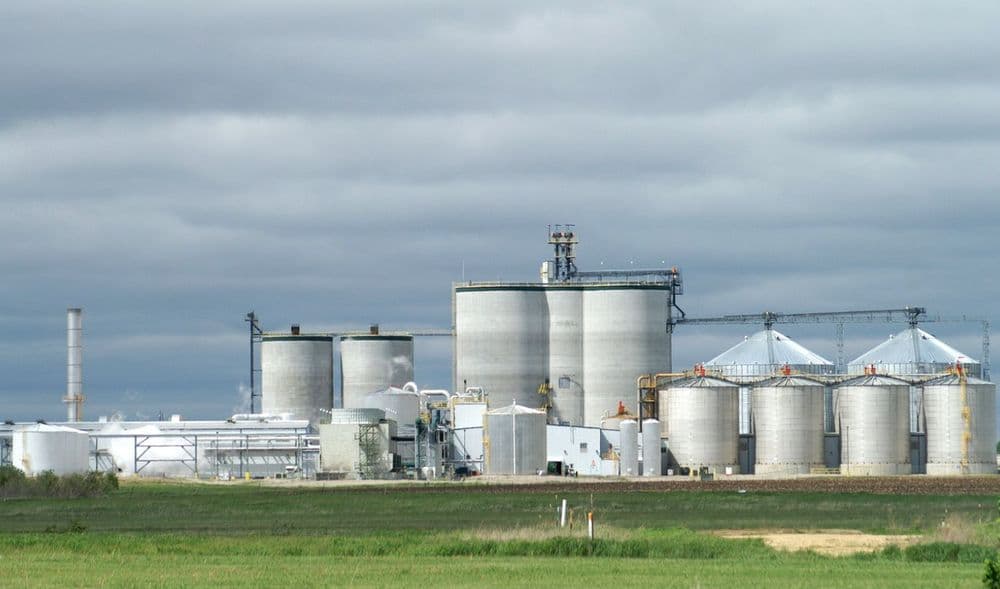
India’s government has instructed state-run oil marketing companies to exclude sugar-based ethanol from the 2026-27 procurement tender.
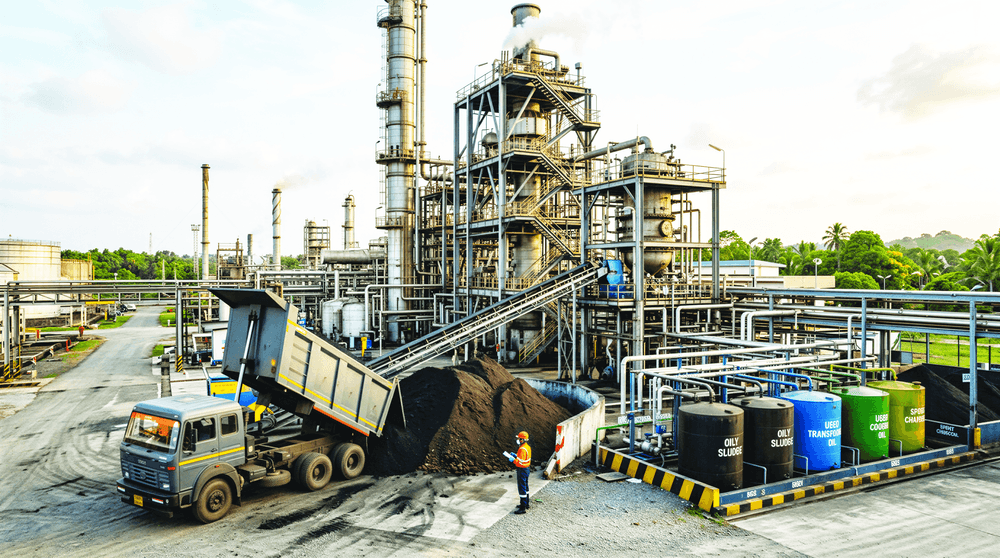
Kochi Refinery is using its existing Delayed Coking Unit to reprocess oily sludge, used transformer oil and used cooking oil, while blending spent charcoal with petroleum coke. The circular economy initiative reduces waste sent for conventional disposal and recovers valuable hydrocarbons and fuel value from difficult-to-manage waste streams.

India and Mauritius have exchanged a G2G MoU on oil and gas cooperation, alongside a five-year agreement under which IOCL will supply Mauritius’ entire import requirement of MS, HSD and ATF.
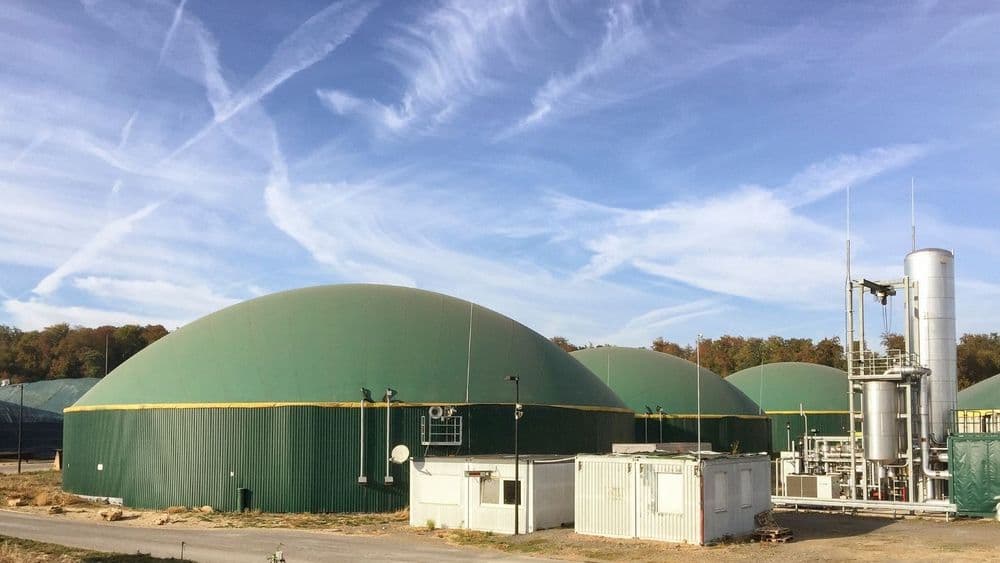
The Union Cabinet has approved the ₹23,731 crore GOBARdhan scheme to accelerate compressed biogas production through assured demand, pricing support and infrastructure development, strengthening India's renewable energy ecosystem and circular bioeconomy.
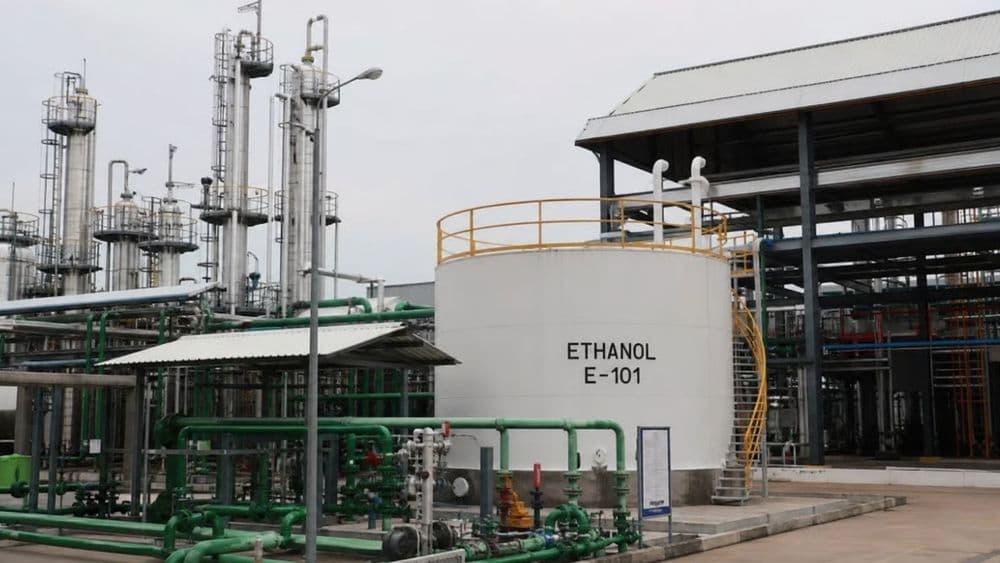
The Centre has approved ₹4,687 crore in interest subsidies for eligible ethanol projects to boost production capacity and strengthen India's ethanol blending programme. The government also updated Parliament on strategic petroleum reserve capacity and crude oil storage infrastructure.
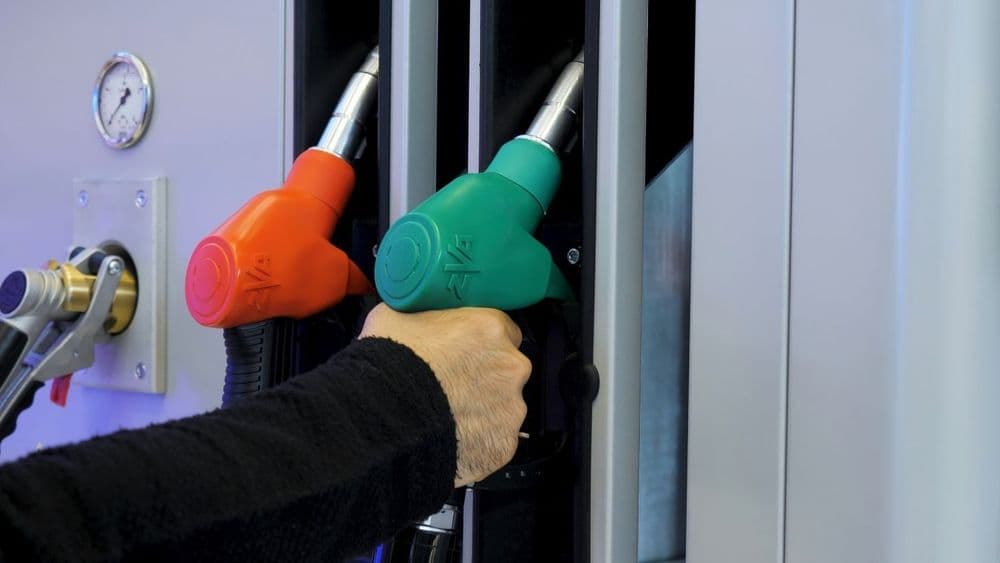
The government said surplus foodgrains are used for ethanol production only after meeting food security obligations, while highlighting the programme's contribution to energy security, lower crude imports and higher farmer incomes.
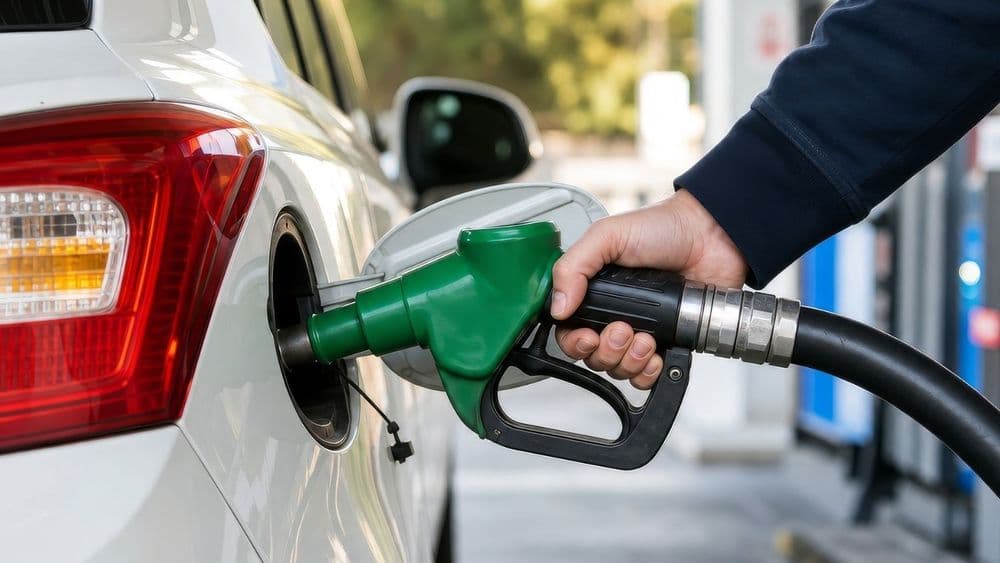
The government has reaffirmed that E20 fuel is safe for vehicles, citing extensive laboratory studies, field trials and nationwide operating experience, with no verified evidence of widespread engine failure or abnormal wear attributable to ethanol blending.
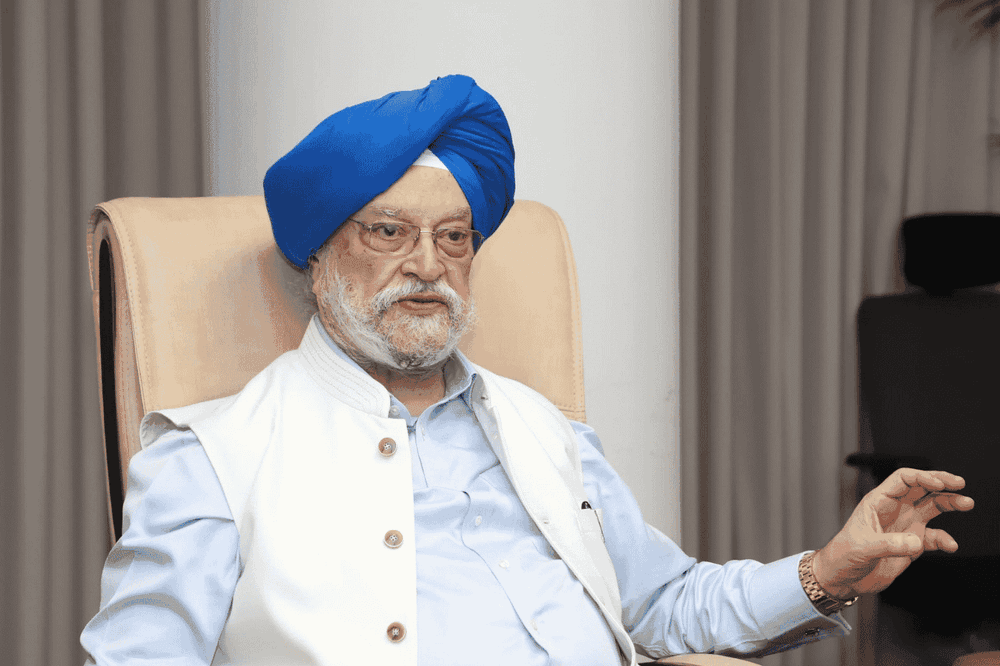
Petroleum Minister Hardeep Singh Puri said initiatives including the Biofuel Mission, Green Hydrogen Mission, and Samudra Manthan are strengthening India's energy security, reducing import dependence, and accelerating the country's transition towards energy self-reliance.
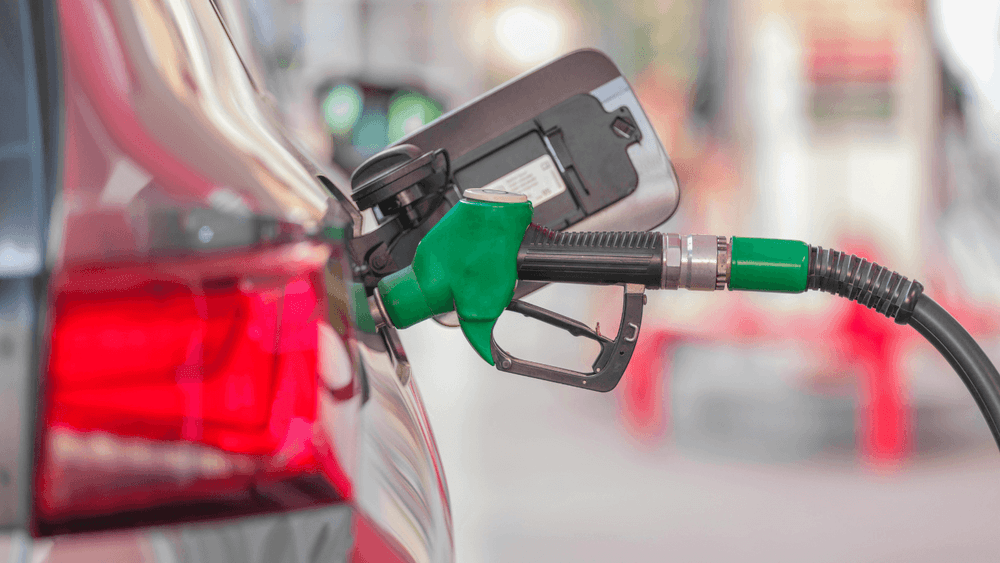
The government has clarified that there is no proposal to increase ethanol blending beyond 20%, reaffirming E20's safety and highlighting its economic, environmental and energy security benefits.
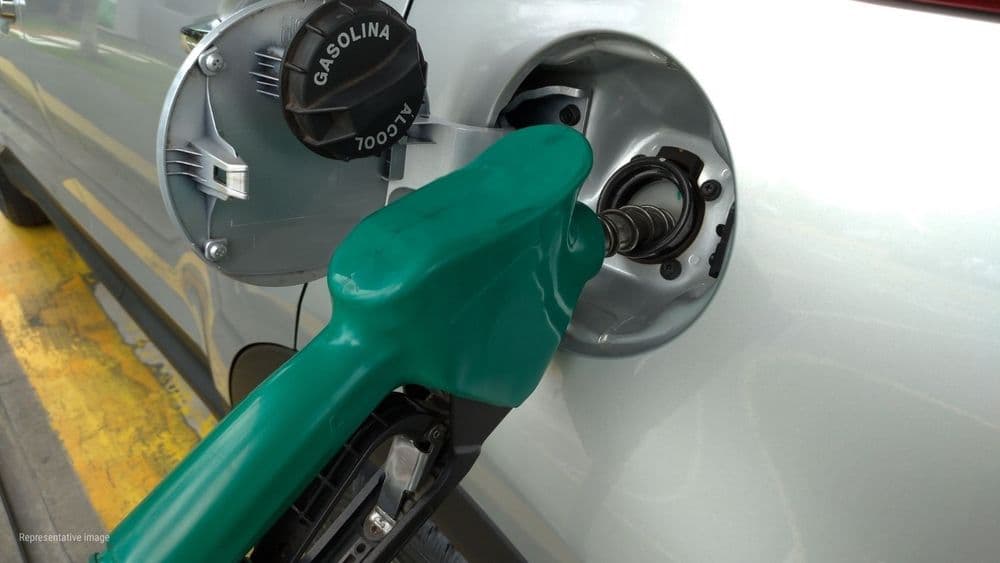
PSU oil marketing companies have invested ₹49,577 crore in ethanol procurement up to June of ESY 2025–26, with 501 ethanol manufacturing units registered under the Ethanol Blended Petrol Programme as of July 16, 2026.
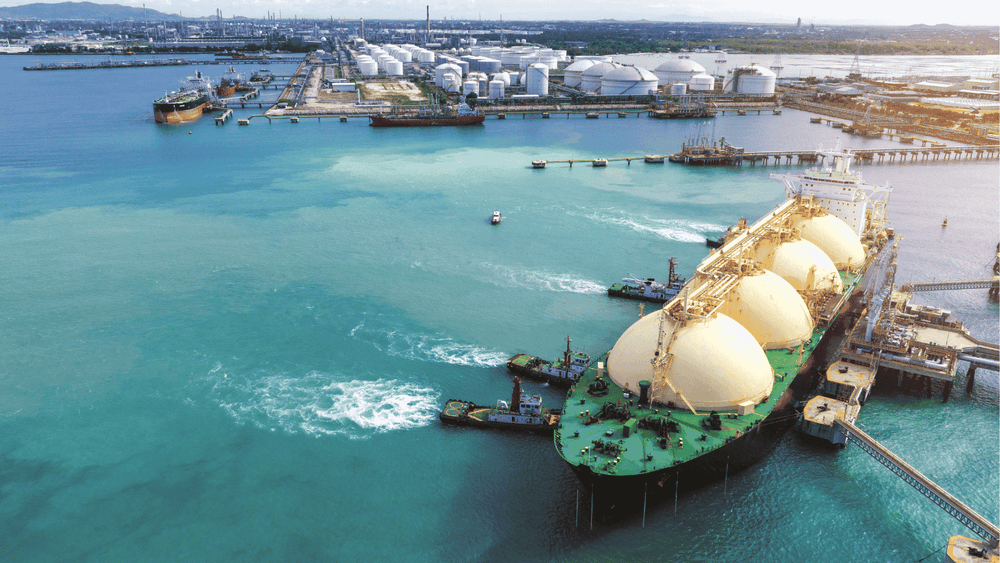
As pipelines, Liquified Natural Gas (LNG), city gas networks and compressed biogas infrastructure expand, India’s push towards a gas-based economy is steadily reshaping fuel accessibility, mobility and energy consumption across sectors.
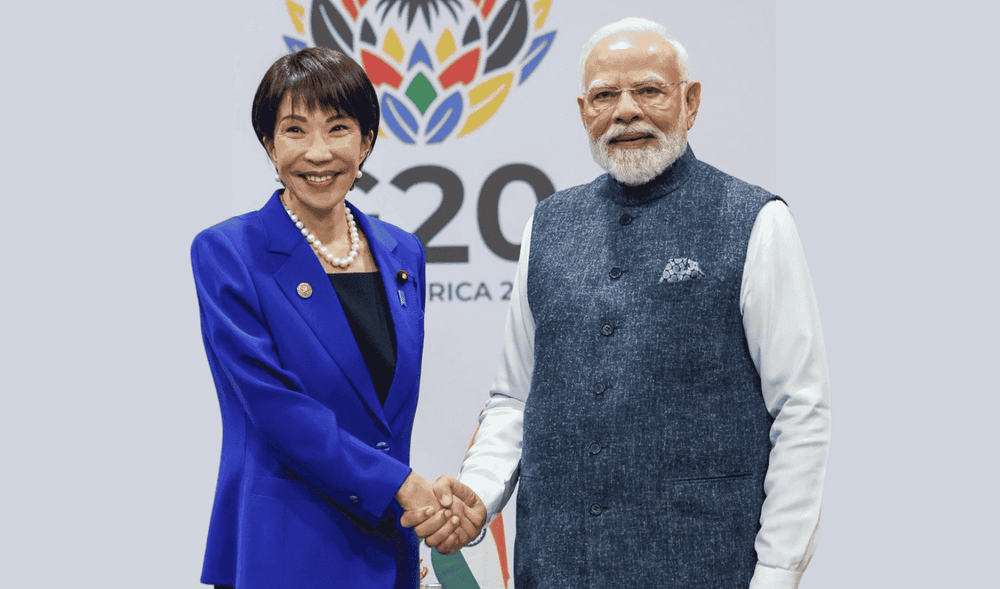
India and Japan have unveiled a strategic roadmap centred on energy security, resilient supply chains, critical minerals, AI and emerging technologies amid growing geopolitical and trade uncertainties.
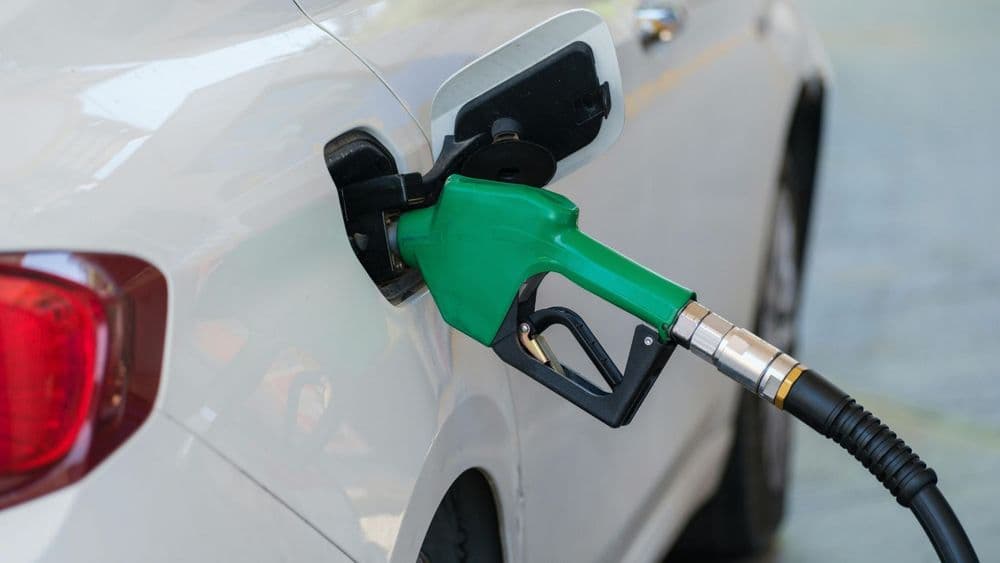
India will launch E85 fuel containing 85 percent ethanol and 15 percent petrol, marking a significant step towards flex-fuel mobility and reduced fossil fuel dependence.
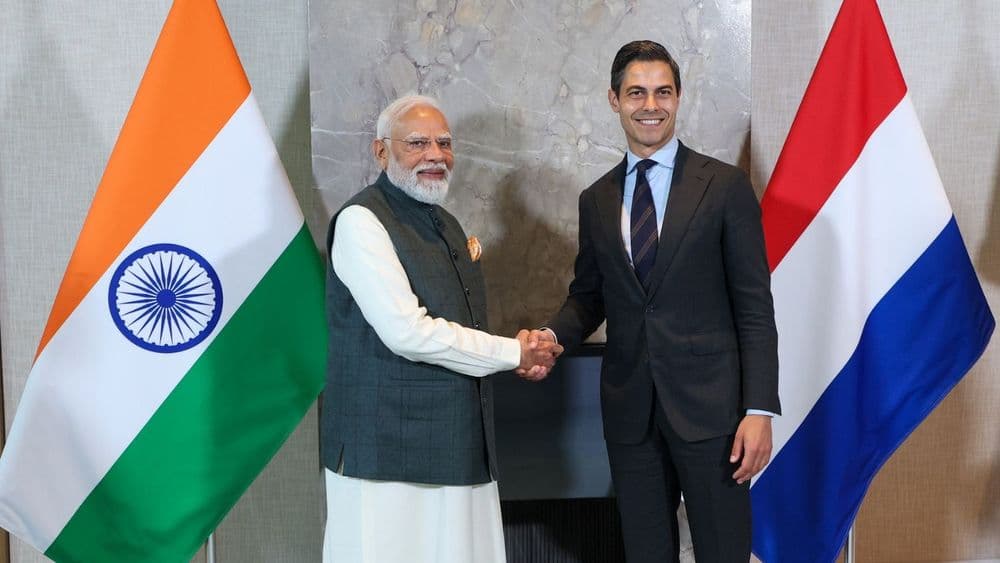
India and the Netherlands have expanded cooperation in green hydrogen, renewable energy, biofuels, sustainable mobility and circular economy initiatives.
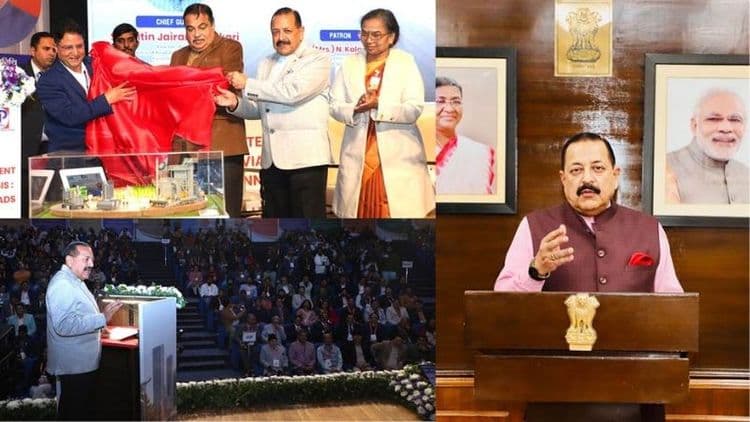
CSIR institutes have developed an indigenous process to convert rice straw into bio-bitumen for road construction, enabling up to 30 percent substitution of petroleum bitumen.
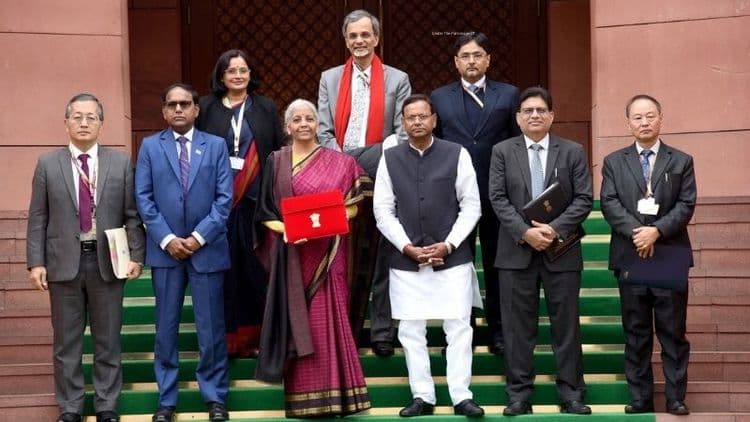
The Union Budget 2026–27 focuses on energy security and transition stability, announcing ₹20,000 crore for carbon capture, extending nuclear import duty relief till 2035, and more.
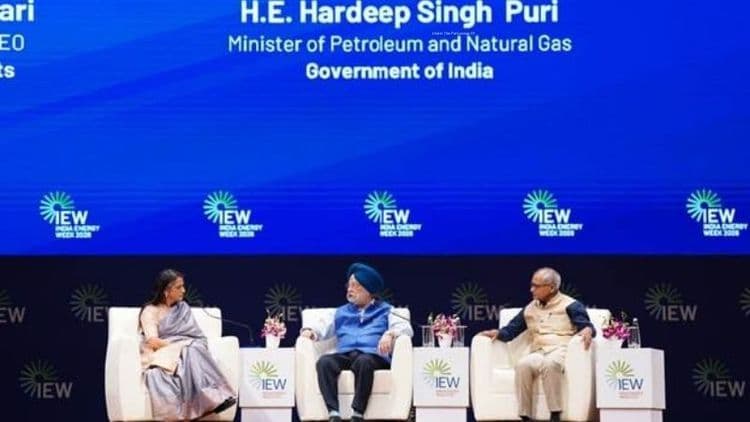
At the conclusion of India Energy Week 2026, the government said it will accelerate domestic exploration and scale up Compressed Biogas (CBG), green hydrogen and biofuels to reduce exposure to global energy volatility and strengthen energy autonomy.
Discussions on Day 3 of India Energy Week 2026 focused on scaling bioenergy, integrating energy data and strengthening grid readiness, as policymakers and industry leaders outlined balanced pathways for India’s long-term energy security.
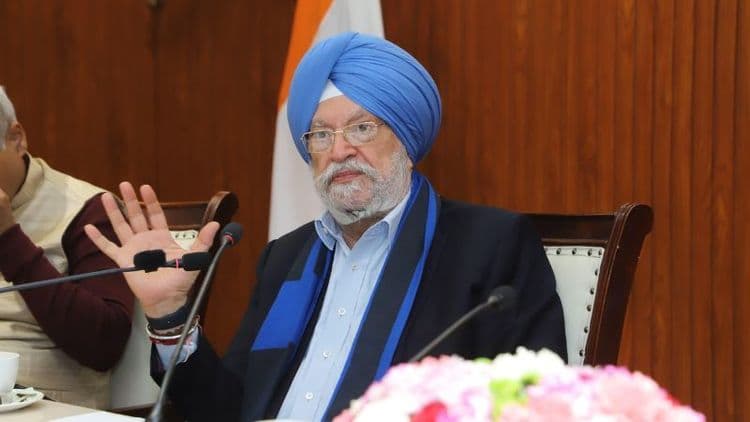
India Energy Week 2026 in Goa will bring global energy leaders together to discuss energy security, investment flows and scalable decarbonisation pathways, Petroleum Minister Hardeep Singh Puri said.
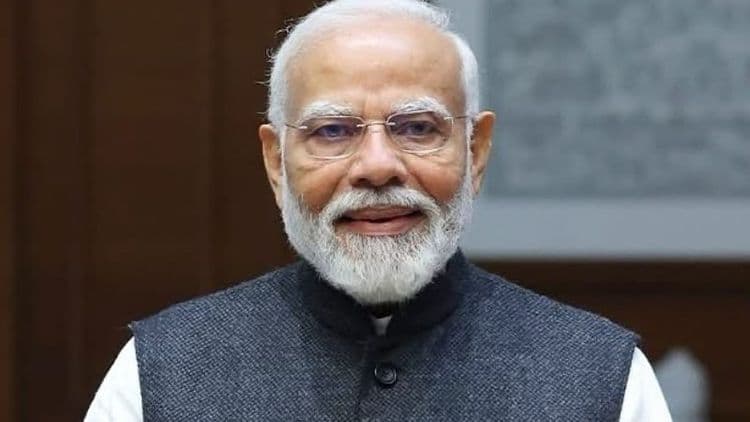
Prime Minister Narendra Modi will inaugurate India Energy Week 2026 in Goa virtually, with global ministers and industry leaders gathering to discuss energy security, investment and decarbonisation pathways.
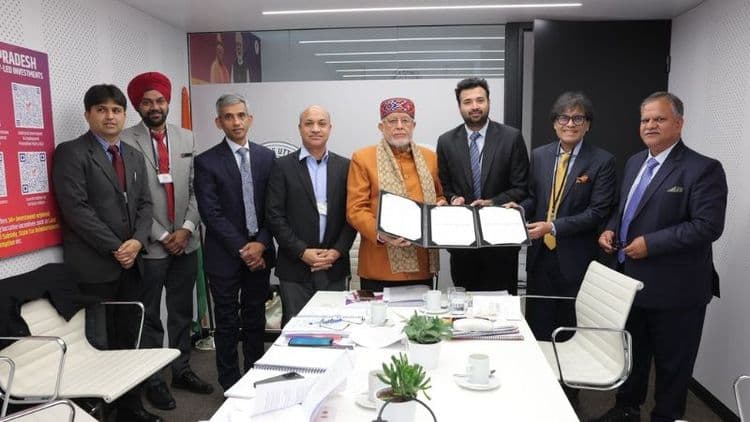
Uttar Pradesh signed clean energy MoUs worth over ₹8,800 crore at WEF Davos 2026 for waste-to-energy and compressed biogas projects to expand its circular energy economy.
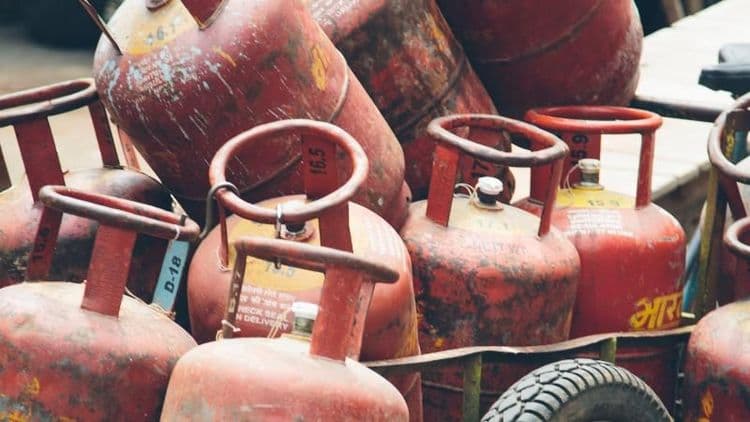
The Government has reported significant improvements in transparency, biometric authentication and subsidy delivery under the PAHAL scheme and the Pradhan Mantri Ujjwala Yojana.
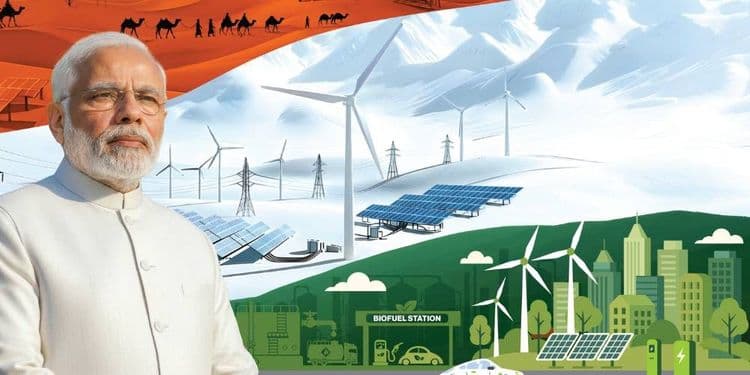
When Narendra Modi became Prime Minister in 2014, India’s energy sector was troubled by shortages and inefficiencies; a decade later, reforms have driven major progress towards clean energy leadership.
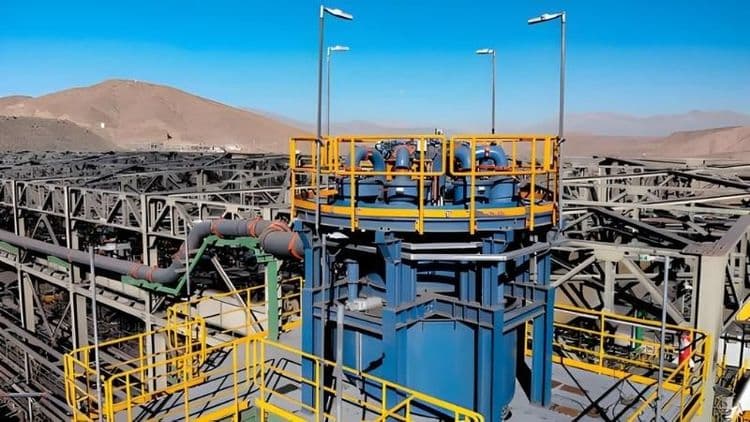
The government told the Rajya Sabha that India’s refining capacity will rise by 2030, supported by expanded biofuel, green hydrogen and liquefied natural gas initiatives.