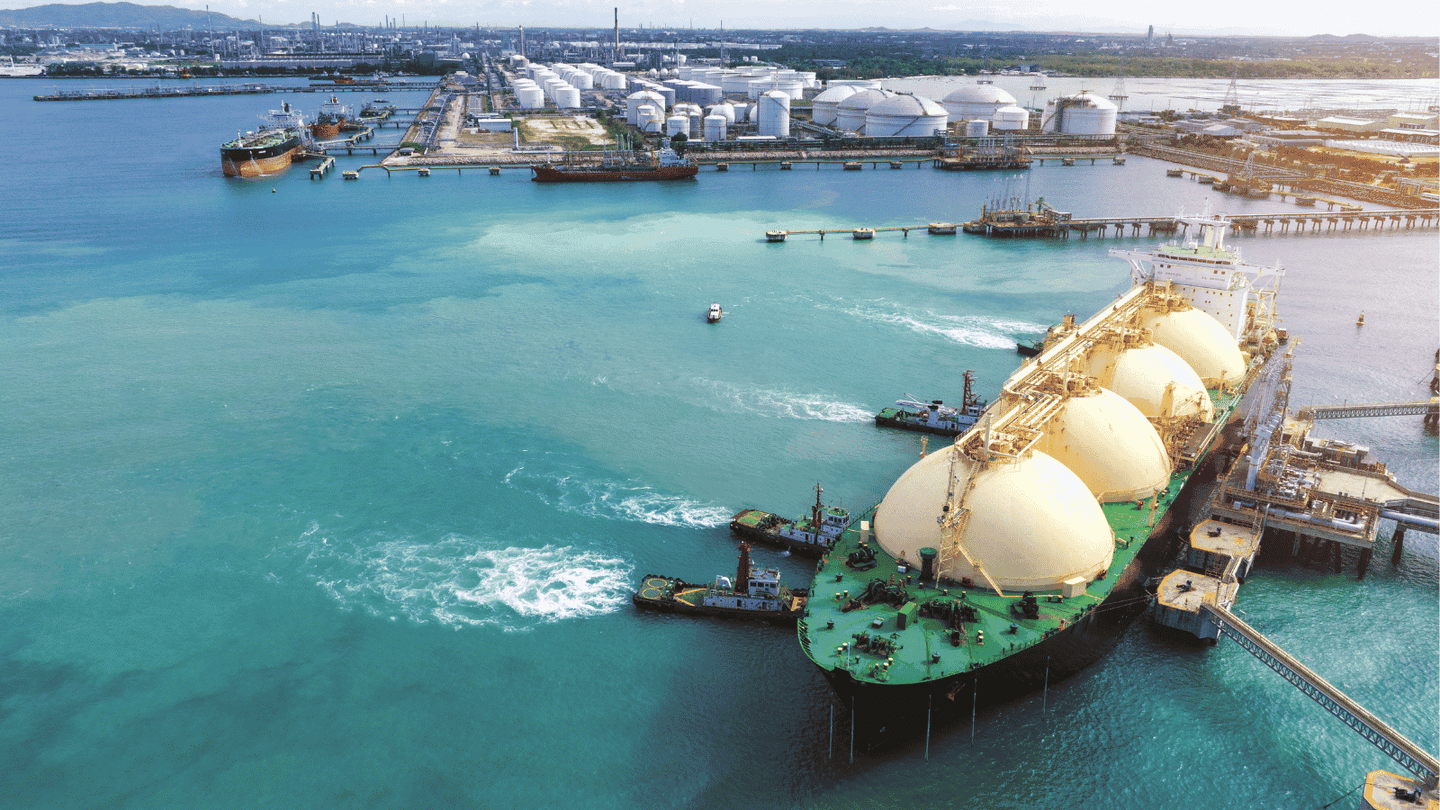
When Prime Minister Narendra Modi virtually inaugurated the 450-km natural pipeline between Kochi and Mangaluru in January 2021, it was seen as a major milestone in the country’s journey towards evolving a robust gas-based economy. The move reflected a national resolve to ensure industries, cities and households across India are connected with natural gas.
Under the Modi government, natural gas has moved beyond—from offering a clean industrial fuel and feedstock for petrochemical and fertilised sectors to integrate into a broader application spectrum, which includes pipelines, Liquified Natural Gas (LNG) terminals, City Gas Distribution (CGD) network, urban transportation and industrial infrastructure. This is aligned with India’s national agenda to strengthen energy security, diversify fuel sources, support cleaner fuel and improve fuel access.
As part of the government’s integrated approach to energy planning, it aims to increase the natural gas’ share in the energy mix from 6.2 percent to 15 percent by 2030. The Centre has positioned natural gas as a ‘Balancing Fuel’, which enables it to support industrial growth, urban mobility and flexible power generation, as coal continues to be the dominant fuel and renewable energy expands rapidly in the country’s energy system.
A Three-pronged Approach to Create the Gas Economy
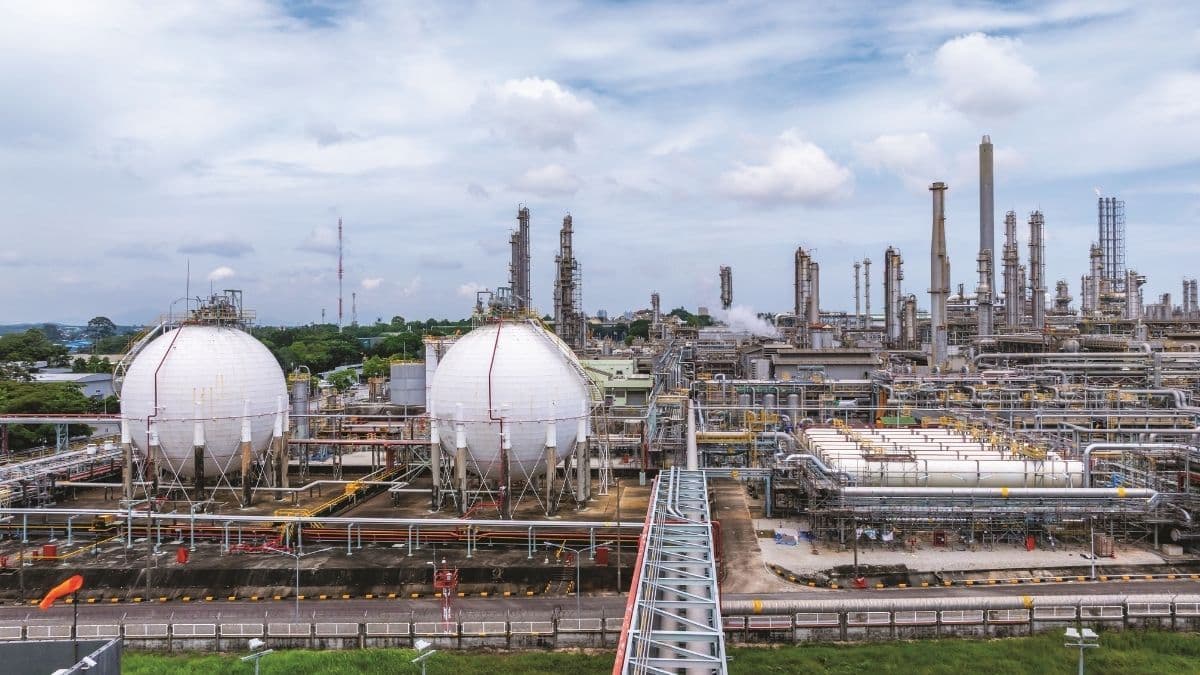
Towards becoming a gas-based economy, the Minister of State with Independent Charge for Petroleum & Natural Gas, Dharmendra Pradhan, informed in 2016 that the government has outlined a three-pronged approach. First, developing gas sources either via domestic gas exploration and production activities or building facilities to import natural gas in the form of LNG. Second, developing gas pipeline infrastructure and a secondary distribution network. Third, developing gas consuming markets like fertiliser, power, transport and industries, among others.
Eventually, the government expanded LNG infrastructure, enhanced pipeline connectivity and widened CGD networks. This improved gas access in urban and industrial regions. Earlier confined to northern and western markets, the natural gas network expanded with the Kochi-Mangaluru Natural Gas Pipeline and Jagdishpur-Haldia-Bokaro-Dhamra Natural Gas Pipeline (JHBDPL). Both connected regional markets with the national gas grid. Simultaneously, policy focus began shifting from upstream production and supply creation to downstream accessibility, urban connectivity and infrastructure integration.
To do away with regional disparities in gas transportation costs, the Petroleum and Natural Gas Regulatory Board has implemented a Unified Pipeline Tariff regime under ‘One Nation, One Grid, One Tariff’ mission
Building the Backbone
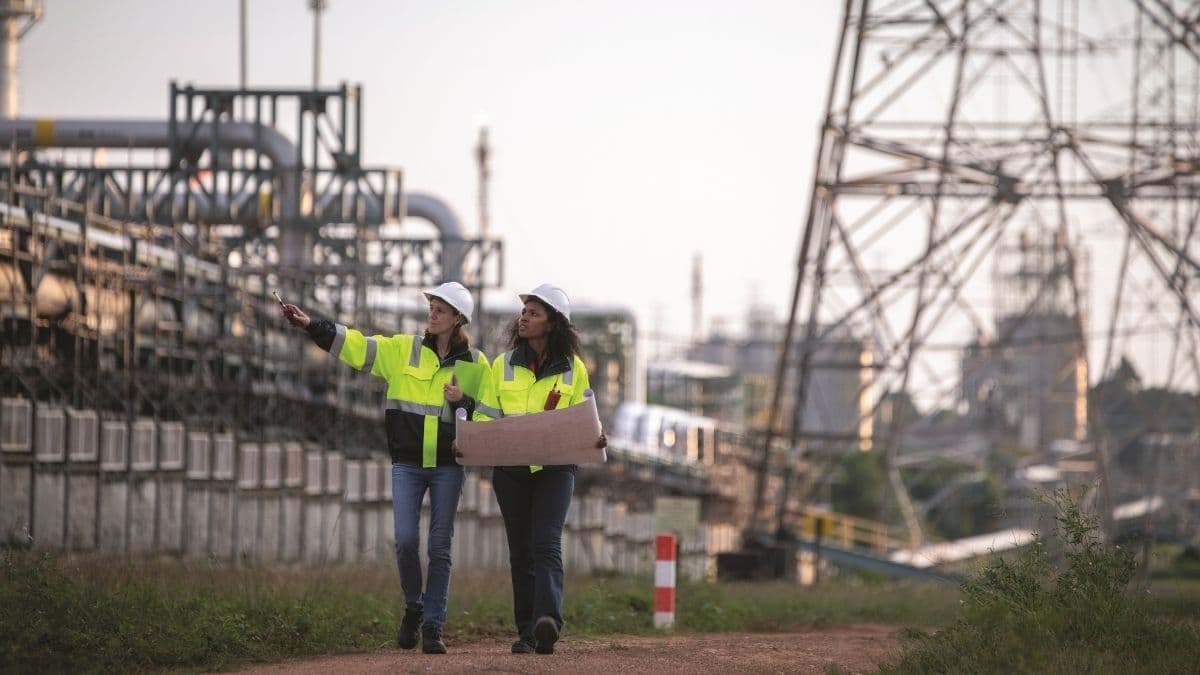
Infrastructure emerged as the most visible transformation in India’s gas economy, as operational natural gas pipelines increased from 15,340 km in 2014 to 25,429 km as of June 2025, with an additional 10,459 km under execution. The outcome of these pipelines is a completely-connected national gas grid, which ensures a wider availability of gas across regions and supports a balanced economic and social development.
To do away with regional disparities in gas transportation costs, the Petroleum and Natural Gas Regulatory Board (PNGRB) has implemented a Unified Pipeline Tariff (UPT) regime under ‘One Nation, One Grid, One Tariff’ mission. Introduced on April 1, 2023, UPT standardises transportation charges across the national gas grid, replacing the earlier distance-based tariff structure. Presently, nearly 90 percent of operational pipelines are covered under the regime, improving the affordability and competitiveness of natural gas.
However, the most transformative component in infrastructure expansion is CGD, which rapidly expanded across geographies. Under PNGRB-conducted rounds, 307 geographical areas were authorised, covering 100 percent of the mainland, with 33,500 km of authorised Natural Gas Pipeline (NGPL) and 25,000 km of pipelines operational. While Piped Natural Gas (PNG) domestic connections reached about 1.57 crore as of September 2025, the CNG network has grown from 738 in 2014 to 7,996 stations in 2025, making clean, affordable fuel accessible.
City Gas Distribution: A Major Demand Driver
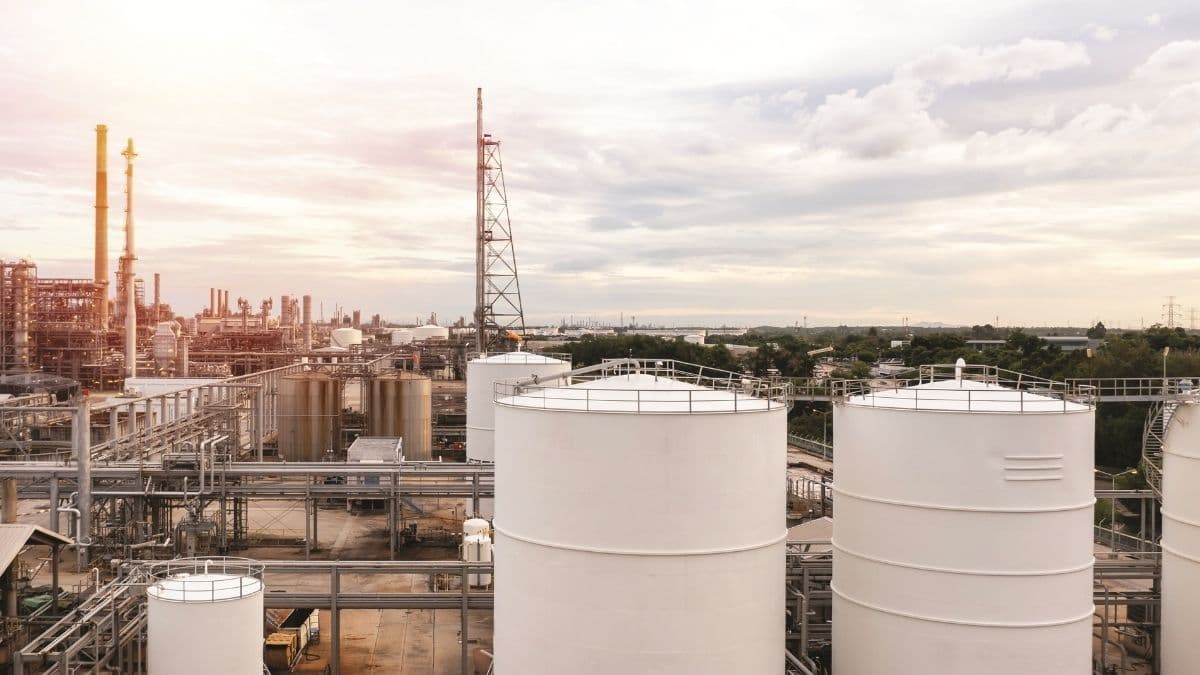
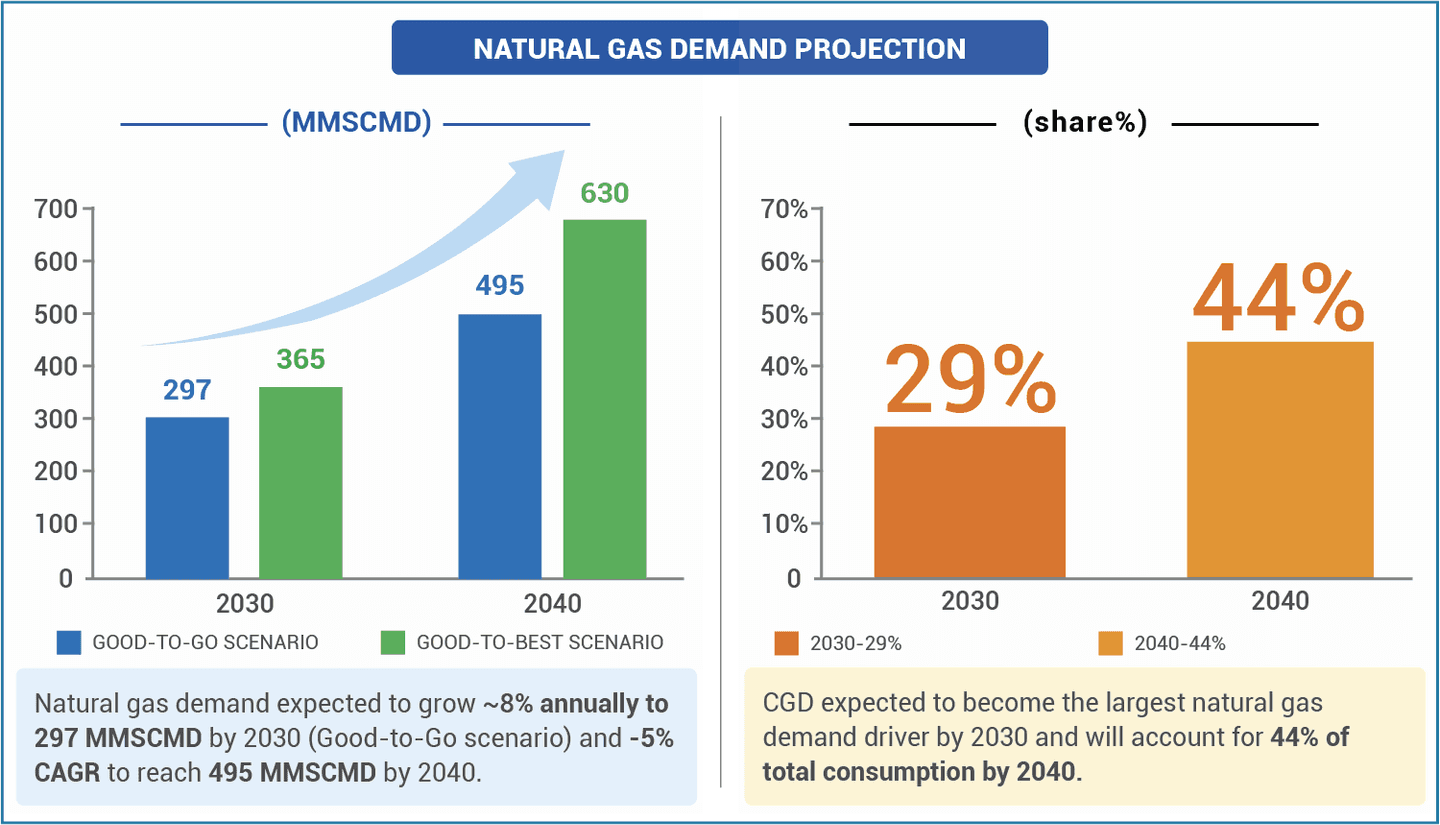
India is witnessing the rise of CGD, which is poised to be a major future demand driver. As per PNGRB projections, the country’s natural gas is expected to increase around 8 percent annually to 297 MMSCMD by 2030 under ‘Good-to Go’ scenario, and record about 5 percent CAGR to reach 495 MMSCMD by 2040 under the same scenario.
Under a more optimistic ‘Good-to-Best’ scenario, the natural gas consumption could jump to 365 MMSCMD by 2030 and register 630 MMSCMD by 2040. The PNGRB study further projects that CGD could be the largest natural gas demand driver by 2030, accounting for 29 percent of total consumption in 2030 and 44 percent of total consumption in 2040. Various factors such as massive urbanisation, Compressed Natural Gas (CNG) mobility expansion, rapid household PNG penetration and wider gas infrastructure availability are likely to drive the growth.
CNG is widely used to fuel urban mobility, particularly in public and commercial vehicles in various cities. Its possible refueling stations expansion and vehicle compatibility is expected to support further growth.
The PNGRB study further projects that CGD could be the largest natural gas demand driver by 2030, accounting for 29 percent of total consumption in 2030
The PNGRB study states that CGD demand is likely to rise from 36.9 MMSCMD in 2024 to 87.1 MMSCMD under ‘Good-to-Go’ and 126.1 MMSCMD under ‘Good to Best’ scenario in 2030. However, in 2040, it is expected to reach 216.4 MMSCMD under ‘Good to Go’ and 270.8 MMSCMD under ‘Good to Best’ scenario.
What is more, as a part of broader efforts to improve fuel efficiency and transition towards cleaner energy options, industrial and commercial units in CGD areas are gradually adopting natural gas. Moreover, the PNG infrastructure expansion and urban energy accessibility are being increasingly linked. All these signal the growing integration of natural gas into the energy landscape.
Focus to Improve Last-mile Connectivity
As the gas infrastructure expands, the government started to focus to expand PNG networks, improve last-mile connectivity and promote a shift towards cleaner fuels for cooking, transport and industrial purposes to boost energy security and support India’s transition to a gas-based economy.
Accordingly, in March 2026, the Centre notified the Natural Gas and Petroleum Products Distribution (Through Laying, Building, Operation and Expansion of Pipelines and Other Facilities) Order, 2026 under the Essential Commodities Act, 1955. The Order provides a streamlined and time-bound framework for laying and expanding pipelines across the country to address delays in approvals and access to land.
It establishes a comprehensive, transparent and investor-friendly framework for efficient gas distribution, rapid infrastructure expansion and equitable access to cleaner energy. At its core, the reform is designed to significantly improve ease of doing business by simplifying procedures, reducing regulatory bottlenecks and creating a predictable and transparent operating environment for stakeholders.
The Natural Gas and Petroleum Products Distribution (Through Laying, Building, Operation and Expansion of Pipelines and Other Facilities) Order, 2026 provides a streamlined and time-bound framework for laying and expanding pipelines across the country
LNG Emerging as Central to Gas Architecture
To support the growth of a gas-based economy, which includes augmenting LNG availability for various sectors, the government has taken several steps. The Centre has permitted 100 percent Foreign Direct Investment (FDI) under 100 percent automatic route to set up LNG infrastructure, including LNG terminals and Open General Licensing (OGL) category for LNG imports, among others. Presently, eight LNG regasification terminals are operational with a capacity of about 52.7 MMTPA.
Besides, the government has been driving the initiative to set up LNG stations across the Golden Quadrilateral, national highways, East-West Highway, North-South Highway and major mining clusters in the country. Notably, state-owned oil and gas companies have commissioned 13 LNG retail stations and private players have operationalised 16 LNG stations so far.
To boost LNG usage as a transport fuel, the government has recognised it as a transport fuel and notified its emission standards. Moreover, the government has amended the Static and Mobile Pressure Vessels (Unfired) (Amendment) Rules, 2025 to allow LNG-fuelled vehicles containing spark ignition engine or compression ignition type internal combustion engine to operate in hazardous areas, LNG mobile dispensing in non-transport sectors such as railways, mining, waterways and testing laboratories, among others.
Centre has permitted 100 percent Foreign Direct Investment under 100% automatic route to set up LNG infrastructure
Also, PNGRB issued a notification in 2020 allowing an entity to set up an LNG retail outlet irrespective of the board’s CGD authorisation. However, this is applicable for the establishment and operation of LNG stations for dispensing LNG in liquid state only to the transport sector.
Biogas Opportunity in Gas Economy
While LNG is becoming a core to the country’s gas architecture, the government is also focussing on the biogas ecosystem. India’s biogas sector has a strong foundation, driven by its agricultural economy, which contributes 18 percent to GDP. Recognising the strategic importance of CBG, the government undertook several initiatives to unlock its estimated potential of around 60 MMT (about 200 MMSCMD). This fuel has the potential to supplement domestic natural gas production and enhance uptake of gas significantly, the PNGRB study notes.
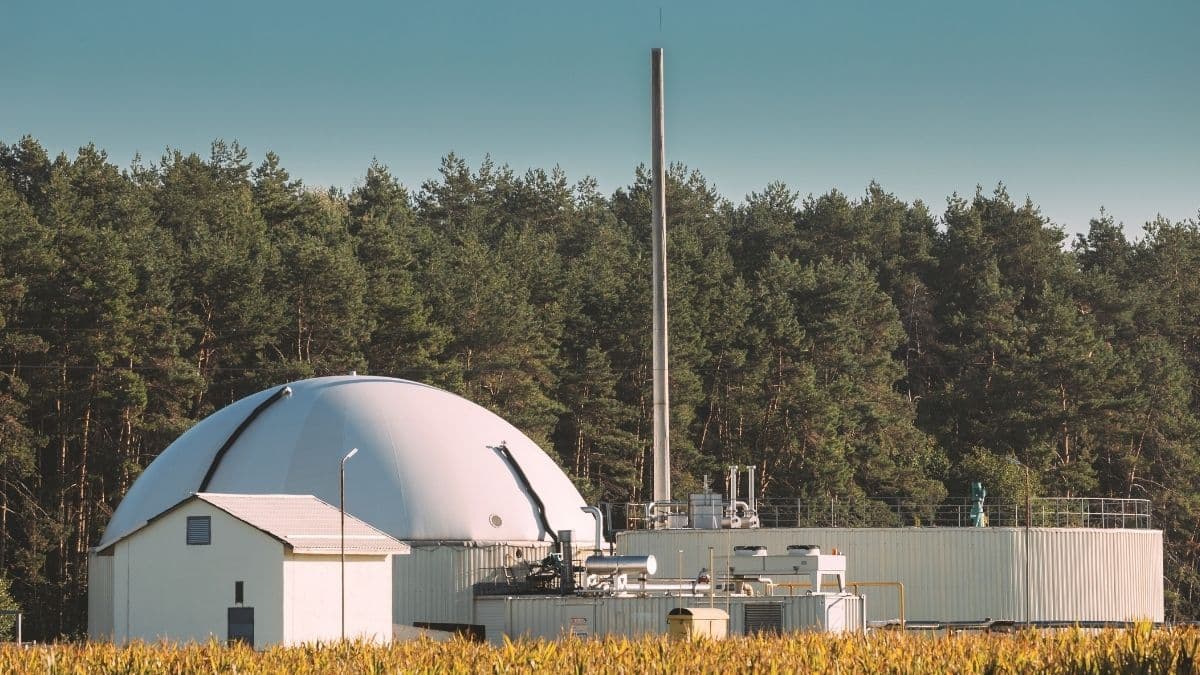
Presently, around 860 CBG plants are registered, with approximately 120 operational and about 200 under construction. However, the government aims to establish 5,000 CBG plants with a total output of 15 MMT (54 MMSCMD).
Key government schemes include the Sustainable Alternative Towards Affordable Transportation (SATAT) initiative, launched in 2018 to enhance Compressed Biogas (CBG) production from biomass. SATAT facilitates private sector participation and ensures long-term offtake agreements with oil and gas companies to sell CBG via cascades to retail outlets or mother stations.
Besides, the government has introduced the CBG-CGD synchronisation scheme. Under this scheme, GAIL (India) Ltd to sign a tri-partite agreements with CBG producers and CGD entities to offtake CBG through retail outlets and pipeline injection. PNGRB guidelines compliance is necessary for pipelines in addition to IS 16087.
Under the standalone model, CBG producers own captive power plants or sell CBG to power generation companies. Producers can sell directly to consumers and industrial customers through their own retail outlets.
Presently, around 860 CBG plants are registered, with approximately 120 operational and about 200 under construction
To further promote CBG production, the Centre is also providing financial assistance to lay and connect the pipeline with the CGD network. Under the Development Pipeline Infrastructure scheme of the Ministry of Petroleum and Natural Gas, the government has approved ₹994.5 crore for the development of pipeline infrastructure, which connects the CBG plants to the CGD Network. The government has mandated phased blending of CBG with CNG and PNG, starting at 1 percent in FY 2025-26, 3 percent for FY 2026- 2027, 4 percent for FY 2027- 2028, increasing to 5 percent from FY 2028-29 onwards.
This reflects the government’s intent of expanding the CBG ecosystem into the country’s evolving gas-based economy.
Pricing and Affordability: Shaping Future Growth
To drive demand, affordability will be a key consideration. The structure of gas pricing in the country is based on a price mechanism which is administered domestically as well as globally-linked LNG prices. As per the PNGRB study, LNG availability at prices below $9/MMBtu assumed on a DES basis would likely boost demand, considering the price advantage over alternate fuels. With the rise in import of LNG, domestic consumption patterns are likely to be influenced by the movements in the international gas market.
For sectors such as fertilisers and CGD, policy support and prioritised allocation mechanisms help maintain relative demand stability. However, industrial consumers often assess natural gas competitiveness relative to alternate fuels. Besides, UPT could support affordability and competitiveness by reducing regional disparities in transportation costs. After a passage of time, the interaction between infrastructure availability, LNG pricing and consumer affordability is likely to play a crucial role in shaping India’s gas demand trajectory.
Gas in India’s Multi-fuel Energy Transition
India’s approach to energy transition is based on multi-fuel usage, and natural gas has been increasingly positioned as a key fuel component. As the country expands gas infrastructure, it is vigorously scaling renewable energy, biofuels, SAF, electric mobility and hydrogen-related initiatives. This co-existence is gradually setting up integrated energy stations, which will offer petrol, diesel, CNG, LNG, EV charging and biofuels in an evolved mobility ecosystem. With the increased penetration of renewable energy, gas-based power plants are also expected to remain a strategic player to balance intermittency and support grid reliability. Moreover, the government has mandated the blending of CBG with CNG and PNG from FY 26 in a phased manner. The domestic gas availability could also receive a tremendous boost with a gradual CBG integration into CGD, while linking agriculture, waste management and cleaner energy systems into the broader gas economy.
The domestic gas availability could also receive a tremendous boost with a gradual CBG integration into CGD, while linking agriculture, waste management and cleaner energy systems into the broader gas economy
The work-in-progress transformation is not merely about consumption prospects but of evolving a pan-India ecosystem that supports industrial growth, urban mobility, cleaner fuel adoption and long-term energy diversification. Visibly, the foundations of India’s gas-based economy is expanding and the next phase will be driven by the effective infrastructure, affordability and demand evolve together across sectors and regions.