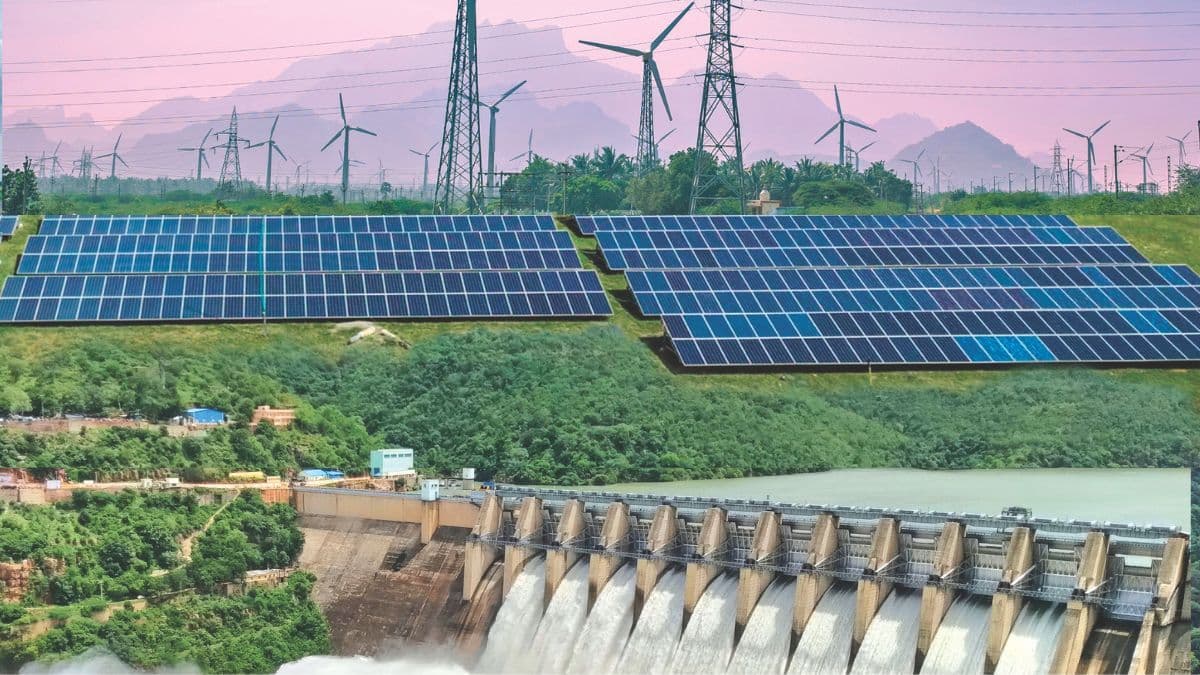
Karnataka’s Renewable Integration at Scale
As one of India’s largest renewable producers, Karnataka is moving into a phase where managing variability, coordination and flexibility defines the next stage of its power transition.
ENERGDIVE Editorial

As one of India’s largest renewable producers, Karnataka is moving into a phase where managing variability, coordination and flexibility defines the next stage of its power transition.
The new draft National Electricity Policy (NEP) 2026 signals a structural shift from capacity expansion to financial discipline, renewable integration, market reform and digital sovereignty, as India prepares its power sector for the demands of Viksit Bharat @2047.
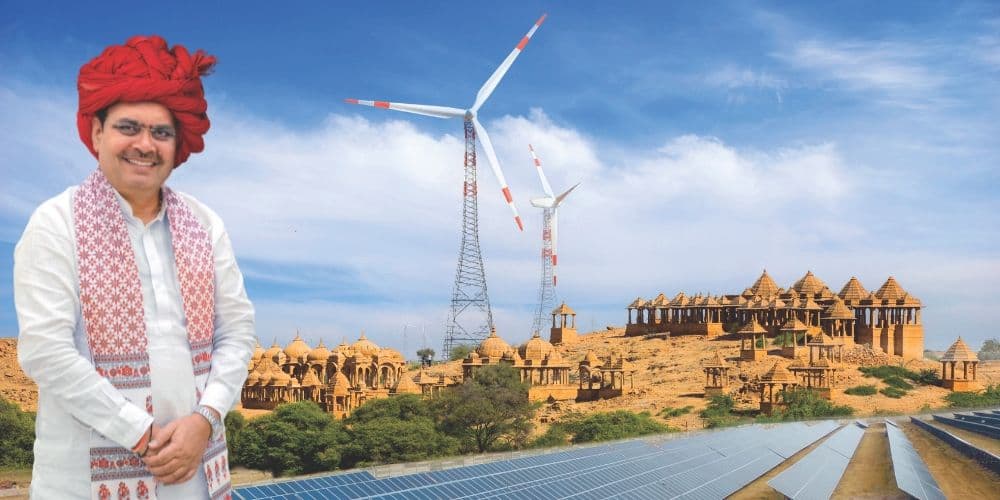
A major renewable state, Rajasthan is entering a new chapter. After building 42.5 GW of clean power, the state is turning from capacity leadership to system leadership, shaping how diverse energies can deliver reliable growth.
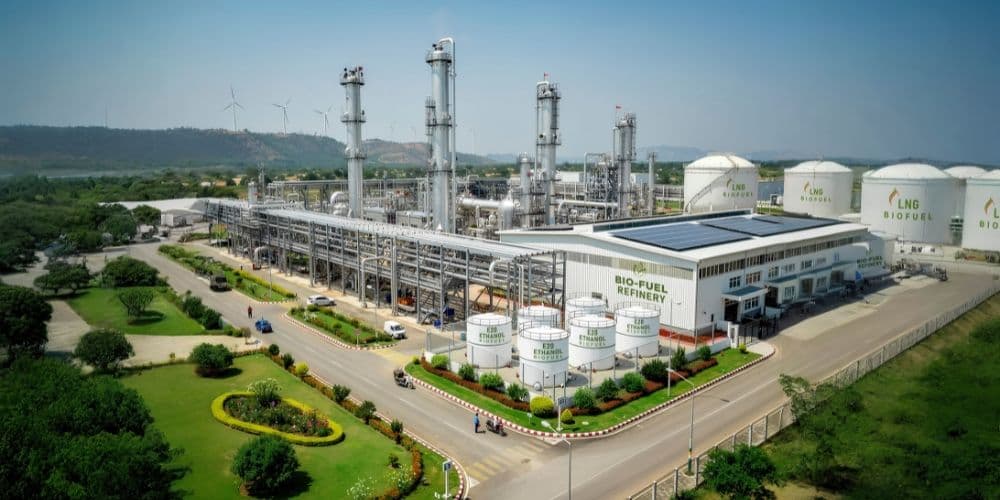
The country’s downstream oil and gas sector is moving beyond capacity-led growth, as trends are pointing to product diversification, operational efficiency, embedded decarbonisation and the optimisation of long-life refining assets
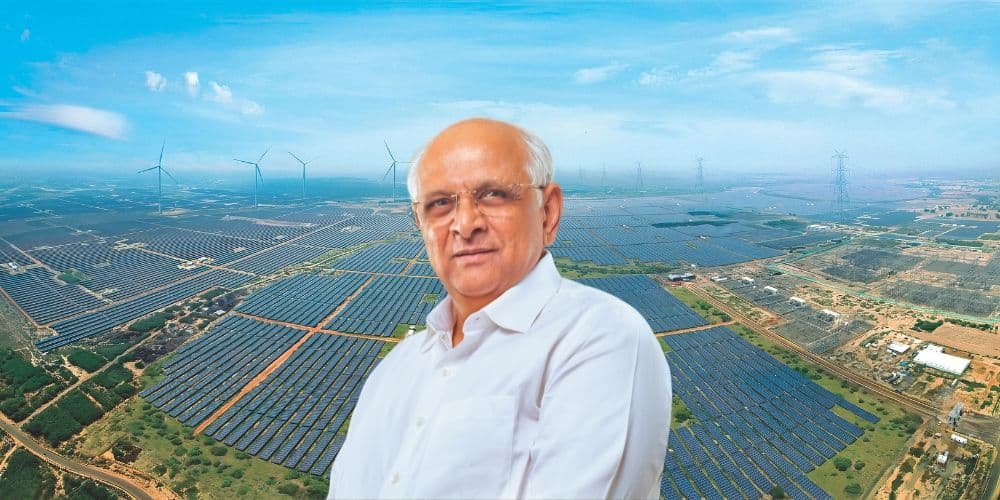
India’s approach to energy security has moved beyond crisis management to long-term system building, combining hydrocarbons, gas, clean fuels, infrastructure and diplomacy to support an economy preparing for a far larger scale by 2030 and beyond.
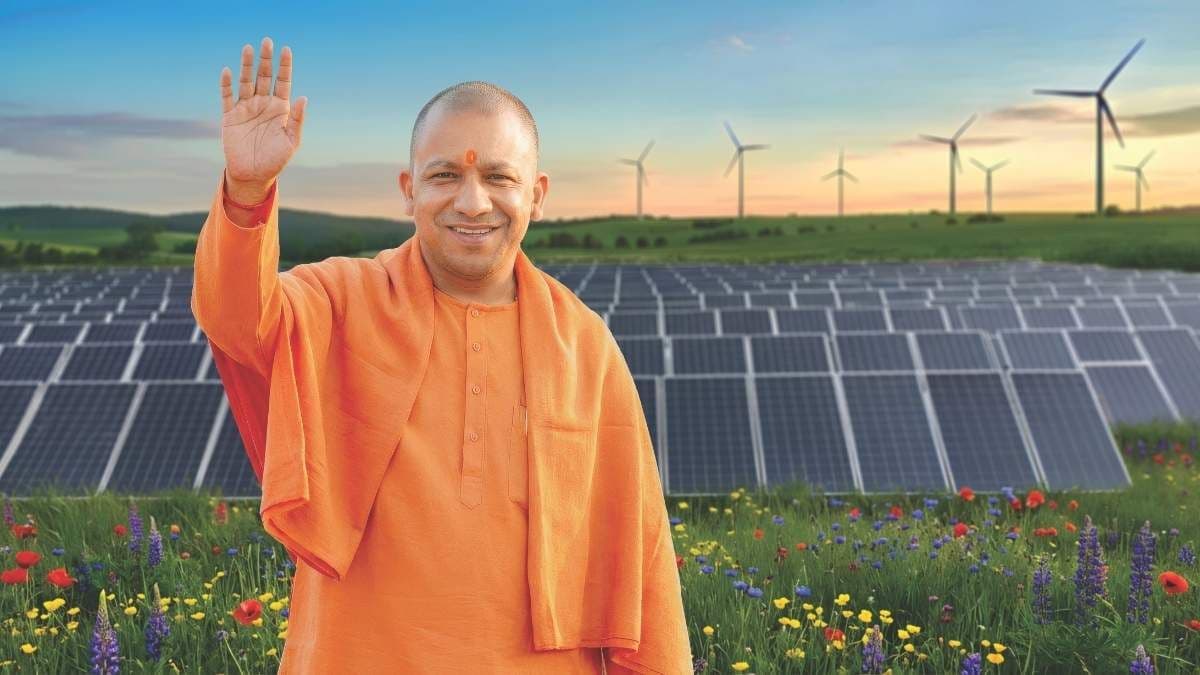
Once defined by chronic power cuts and slow execution, Uttar Pradesh is today scripting one of India’s boldest turnarounds.
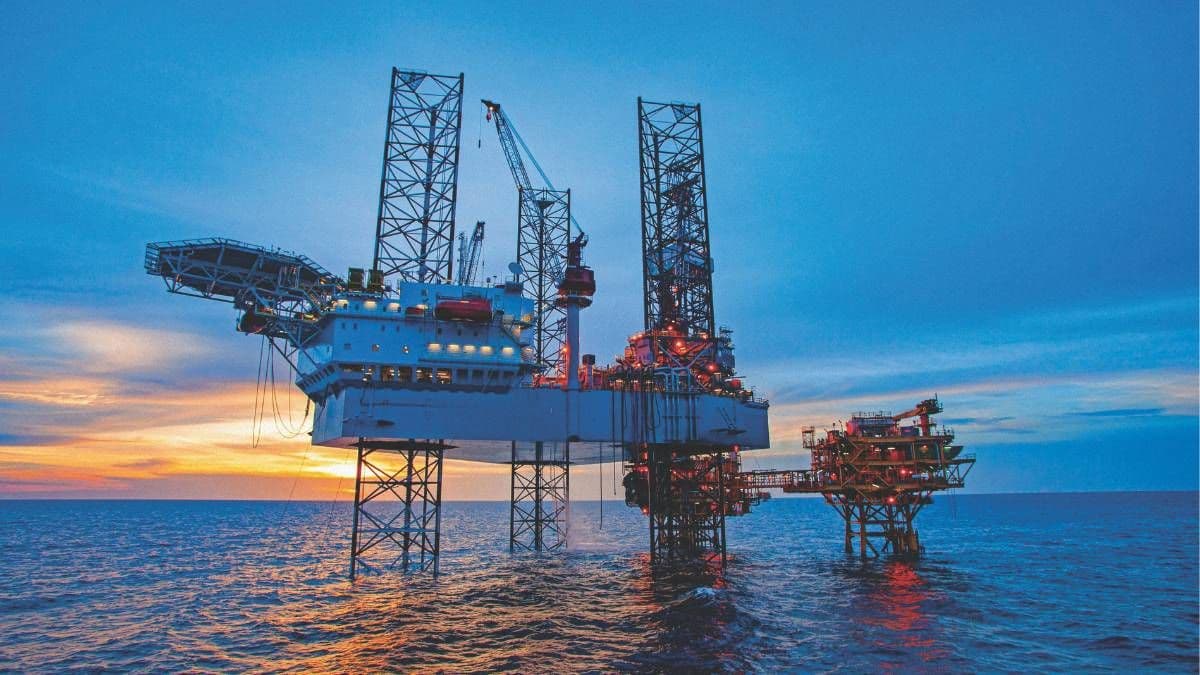
India’s upstream oil and gas sector was transformed by the Open Acreage Licensing Policy (OALP), shifting from state-controlled auctions to investor-led exploration, unlocking basins, deepwater reach, and accelerating production capabilities.