05 OCT 2026-EV Charging
Odisha Extends Electric Vehicle Policy 2021 Till December 2026
The Odisha government has extended its Electric Vehicle Policy 2021, continuing EV subsidies, road tax and registration fee exemptions until December 31, 2026.

All content tagged with “EV” - 21 items
The Odisha government has extended its Electric Vehicle Policy 2021, continuing EV subsidies, road tax and registration fee exemptions until December 31, 2026.
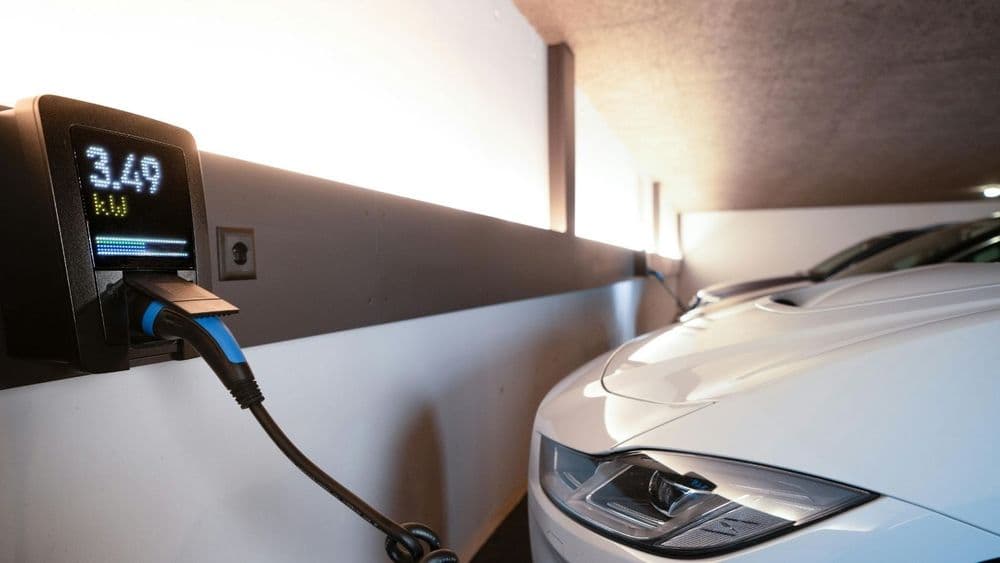
The Ministry of Heavy Industries has approved 382 sites in Delhi for EV charging infrastructure, with 160–180 high-readiness sites to be tendered first.

Adani Green Energy has expanded its operational BESS capacity at Khavda to 6.63 GWh, up from 3.55 GWh in June 2026.

Dr Aman Jha joins Waaree Group as CTO with more than 23 years of global experience across power electronics, solar, EVs and clean-energy technologies.
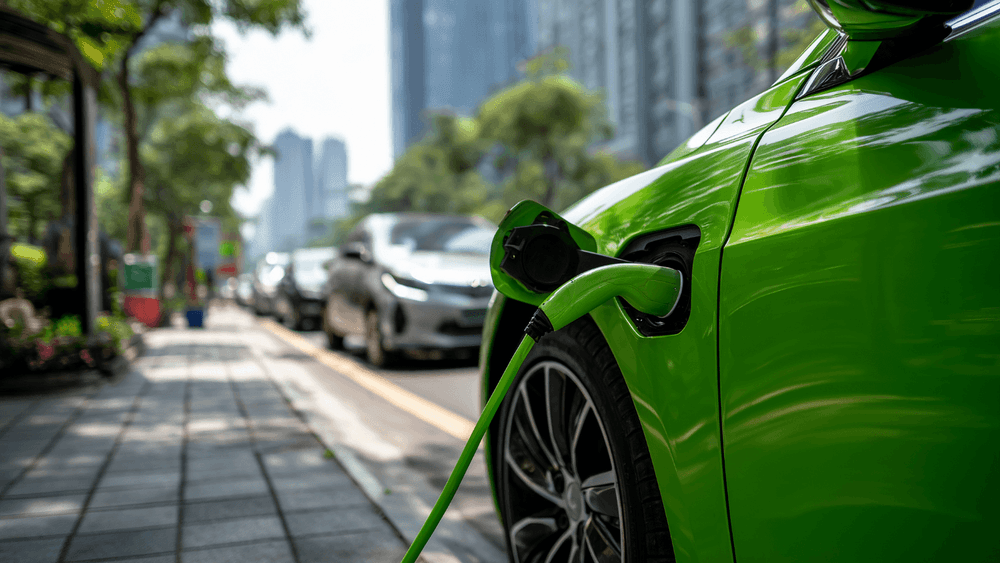
Tata Power has deployed its first 120 kW public EV charger in Kerala at Vivanta Aluva, Kochi, strengthening fast-charging infrastructure along key travel corridors.
Omega Seiki Mobility has partnered with Electra AI to integrate real-time battery monitoring, predictive analytics and State of Health insights across its electric vehicle fleet.
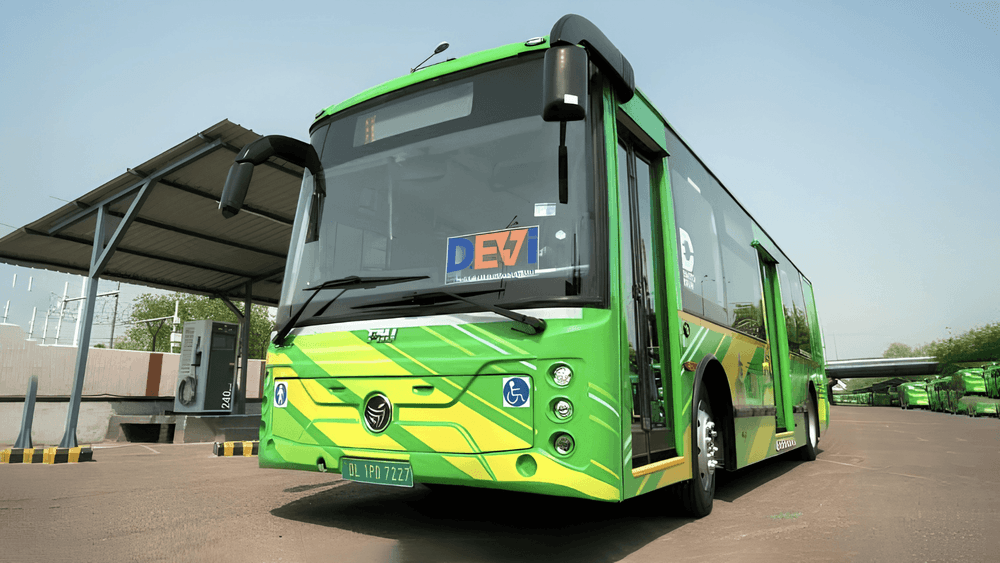
FAME-II has supported around 16.72 lakh electric vehicles and 5,299 e-buses, while 9,583 public charging stations have been installed under the scheme, the Ministry of Heavy Industries said.
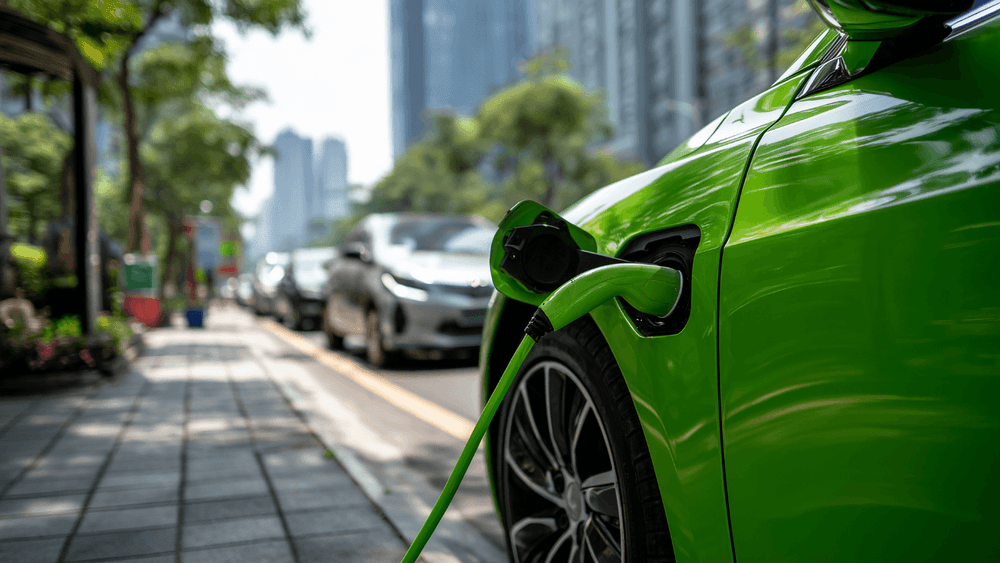
Madhya Pradesh recorded 94,277 EV deployments under PM E-DRIVE in FY2025-26, with 88,209 vehicles receiving subsidies, according to the Ministry of Heavy Industries.
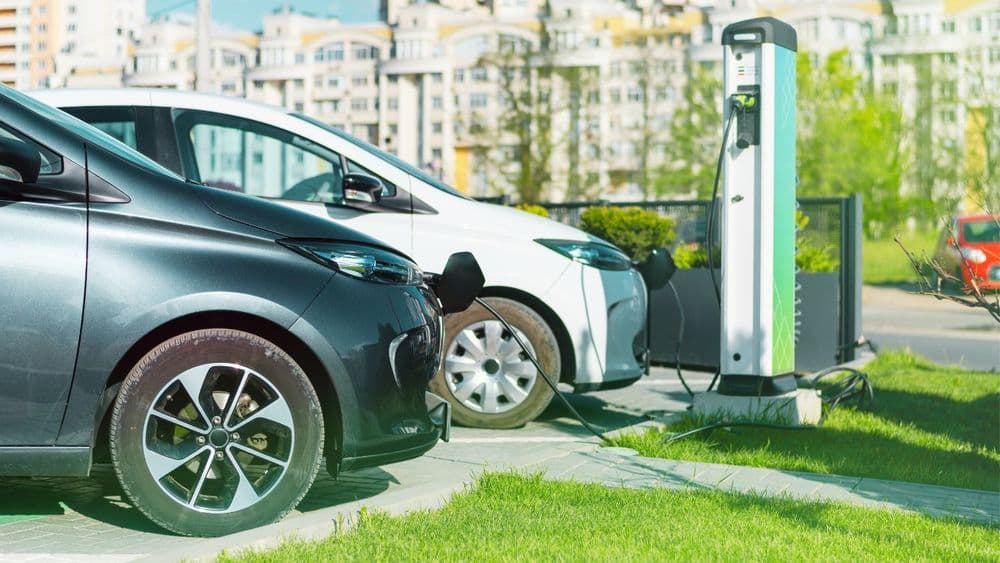
Global electric vehicle sales are projected to touch 23 million in 2026 despite policy shifts and geopolitical uncertainties, according to the IEA.
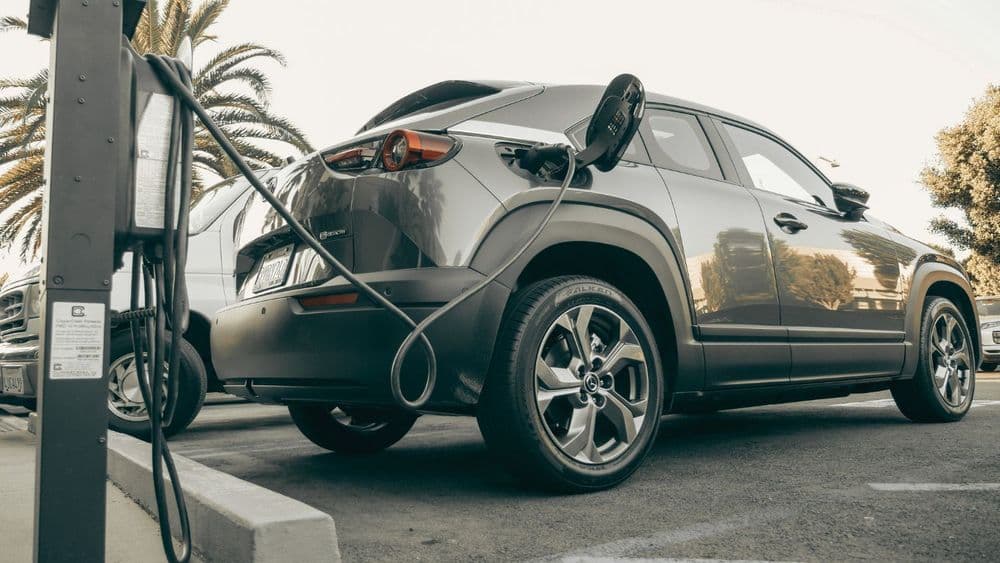
Centre extends PM E-DRIVE scheme and boosts EV manufacturing push to reduce oil dependence and tackle supply chain risks amid global energy market volatility.
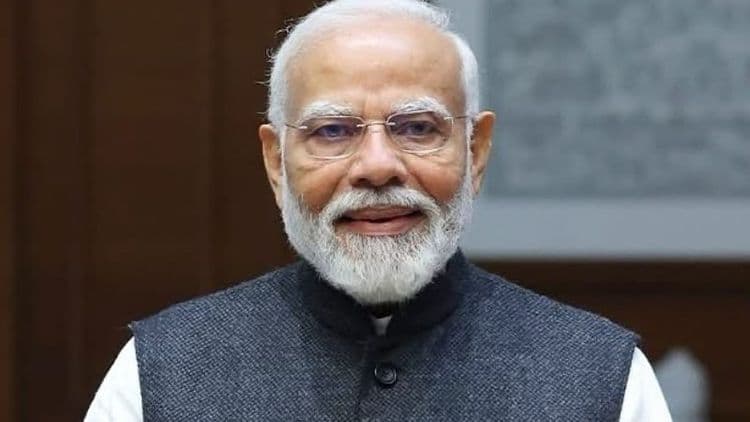
Prime Minister Narendra Modi will inaugurate India Energy Week 2026 in Goa virtually, with global ministers and industry leaders gathering to discuss energy security, investment and decarbonisation pathways.
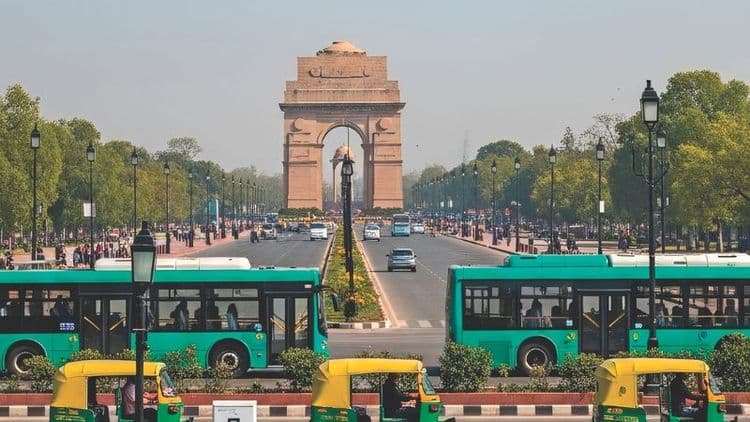
Delhi will introduce a new EV policy next financial year, offering incentives, scrappage benefits, and expanded charging infrastructure across public and residential areas to reduce pollution and modernise transport.
Delhi will introduce a new EV policy next financial year, offering incentives, scrappage benefits, and expanded charging infrastructure across public and residential areas to reduce pollution and modernise transport.

India is building energy resilience, not simply replacing fuels. Security, refining flexibility, grid execution, and policy reform now shape reliable decarbonisation. The next decade demands structural choices, not marginal gains.
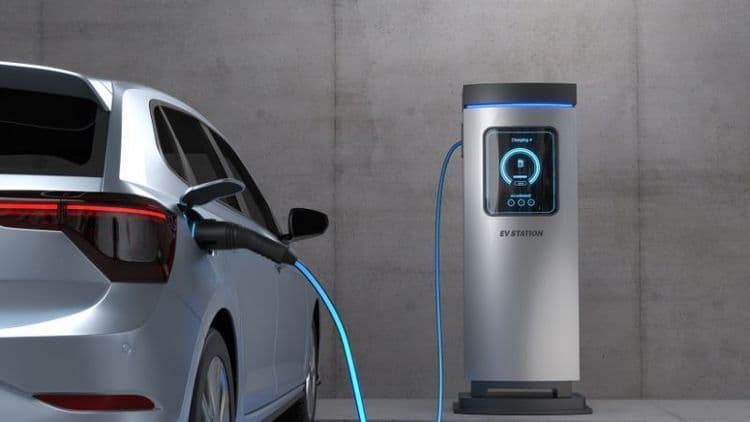
India is expanding its EV charging ecosystem through tighter battery safety standards, public charging investments, and domestic manufacturing incentives to support large-scale electric mobility adoption.
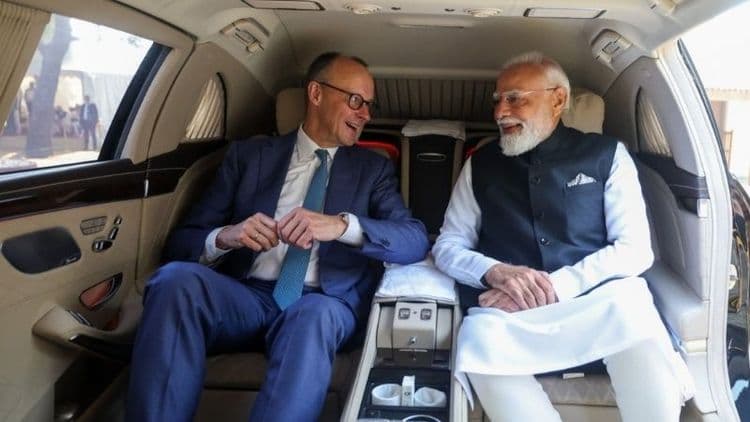
India and Germany expanded cooperation on renewable energy, green hydrogen, storage and clean energy manufacturing, backed by new funding commitments during Chancellor Friedrich Merz’s visit.
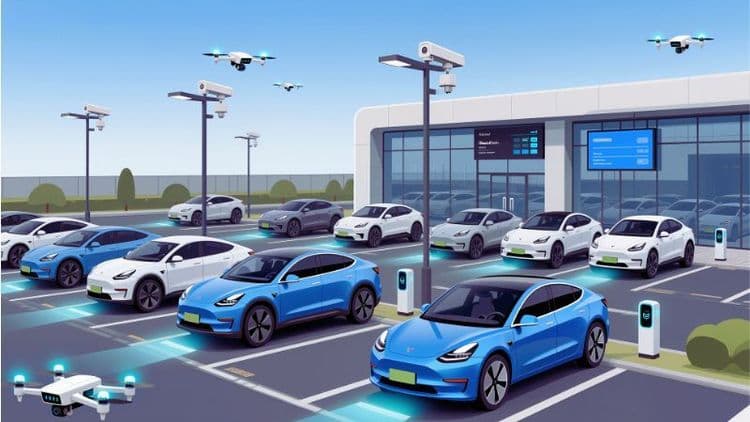
India must accelerate domestic manufacturing of batteries, equipment and advanced EV technologies to improve export competitiveness and move up the global EV value chain, NITI Aayog said.
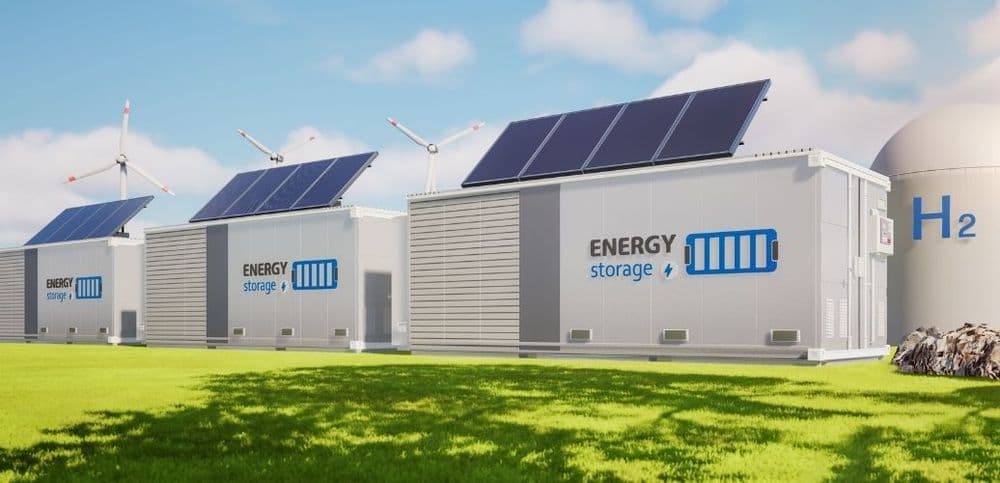
India is accelerating deployment of battery and pumped storage through policy reforms to manage renewable intermittency and strengthen grid reliability.
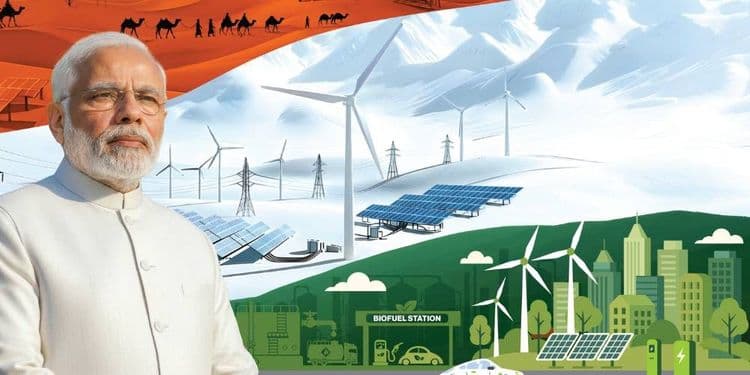
When Narendra Modi became Prime Minister in 2014, India’s energy sector was troubled by shortages and inefficiencies; a decade later, reforms have driven major progress towards clean energy leadership.
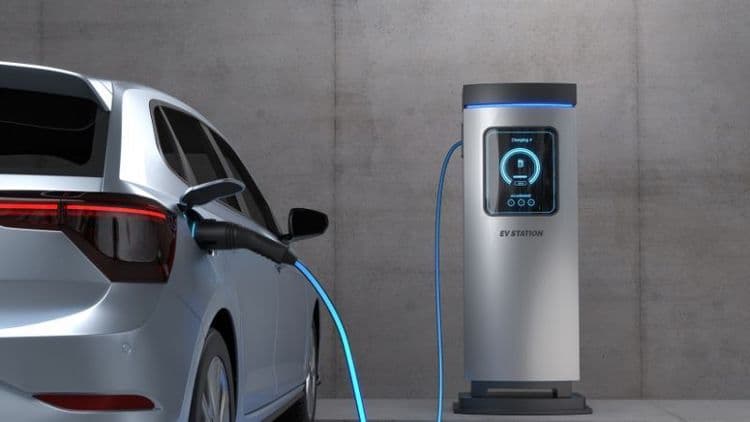
India is expanding its EV charging ecosystem through tighter battery safety standards, public charging investments, and domestic manufacturing incentives to support large-scale electric mobility adoption.