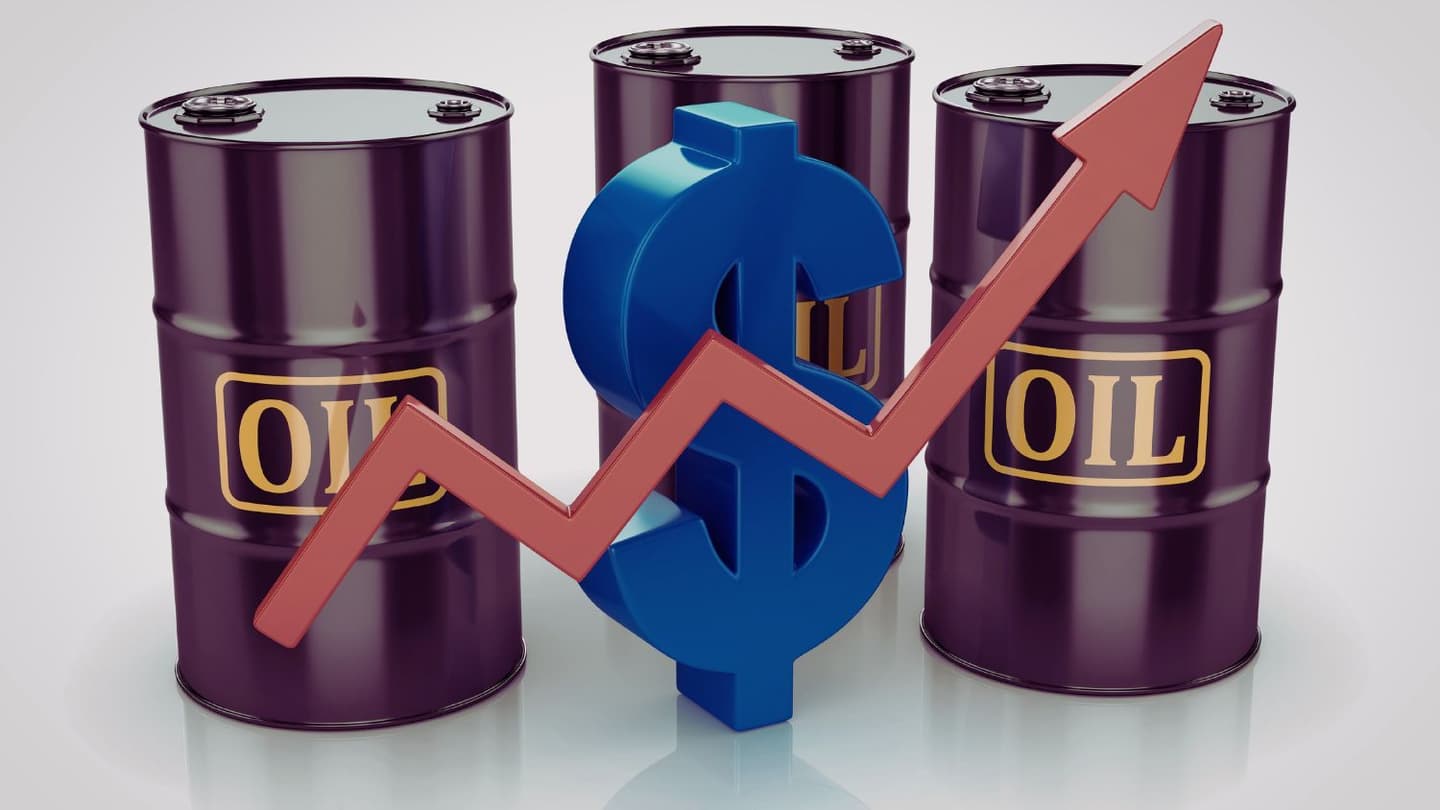
Oil Prices Climb Over 4 Percent as West Asia Strikes Raise Supply Concerns
Crude oil prices surged after strikes on key energy infrastructure in West Asia raised fears of supply disruptions and heightened geopolitical tensions.
Team ENERGDIVE

Crude oil prices surged after strikes on key energy infrastructure in West Asia raised fears of supply disruptions and heightened geopolitical tensions.
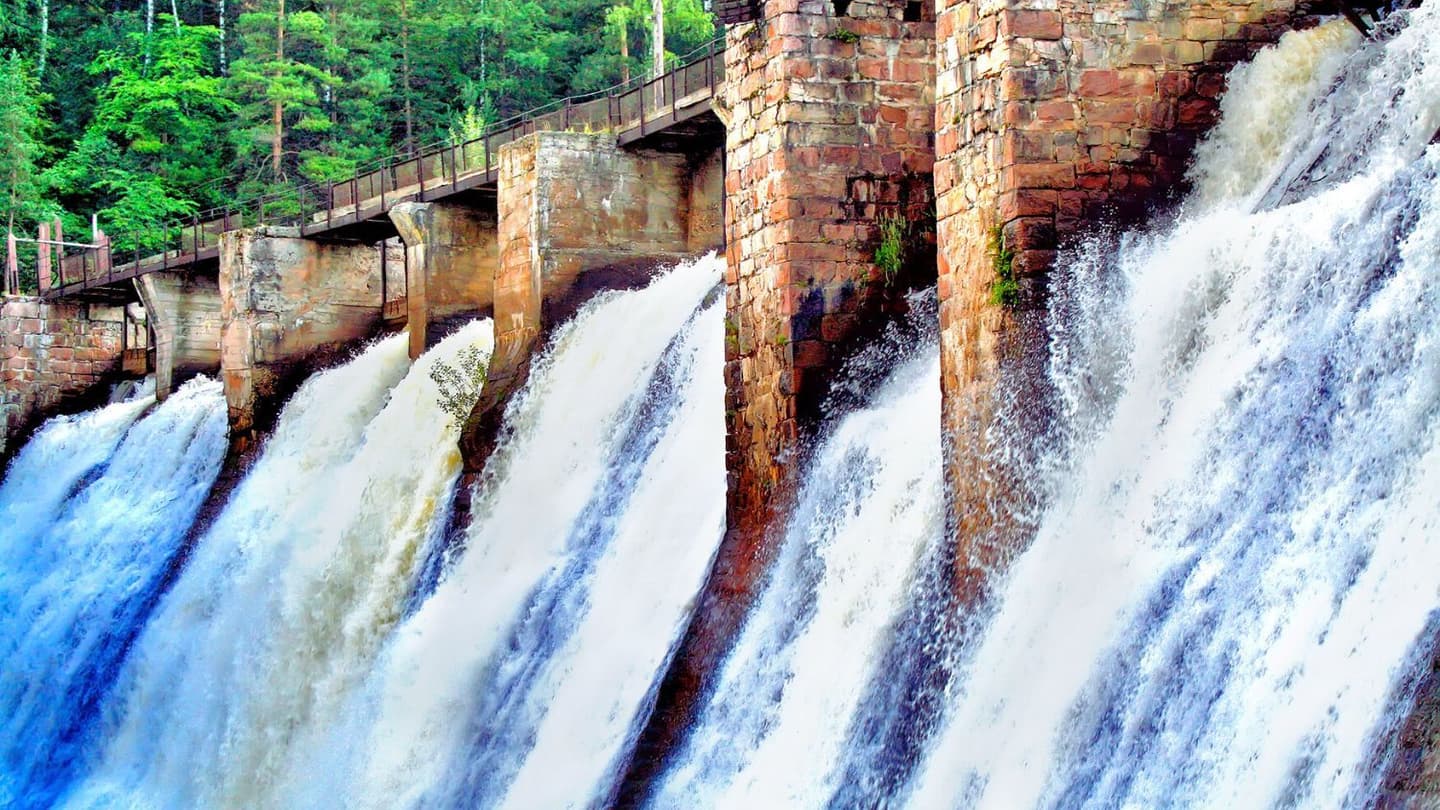
The Union Cabinet has approved a ₹2,584 crore small hydro scheme to add 1,500 MW capacity, with a focus on hilly and northeastern regions.
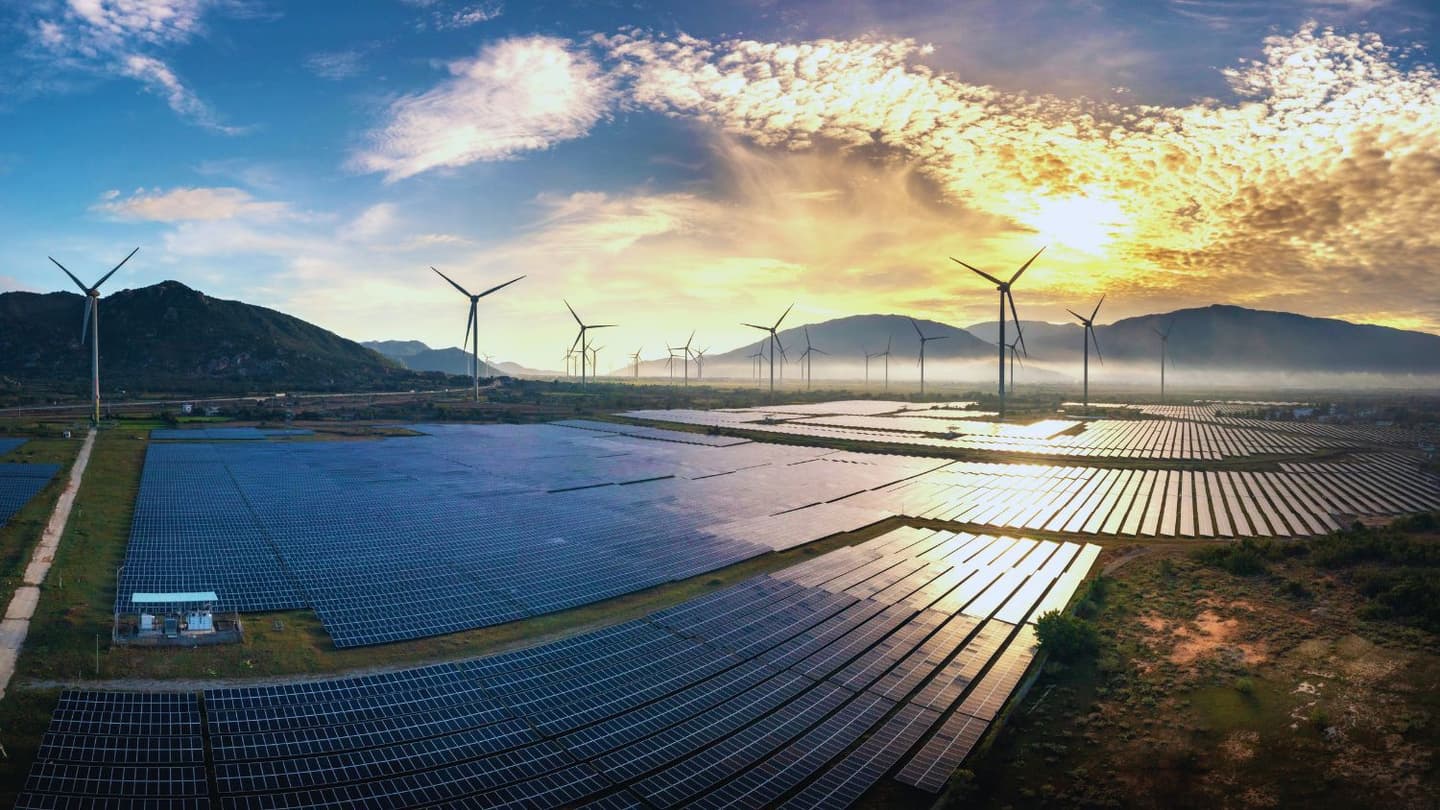
The government has extended ALMM norms to solar ingots and wafers from June 2028, aiming to deepen domestic manufacturing and reduce import dependence across the solar value chain.
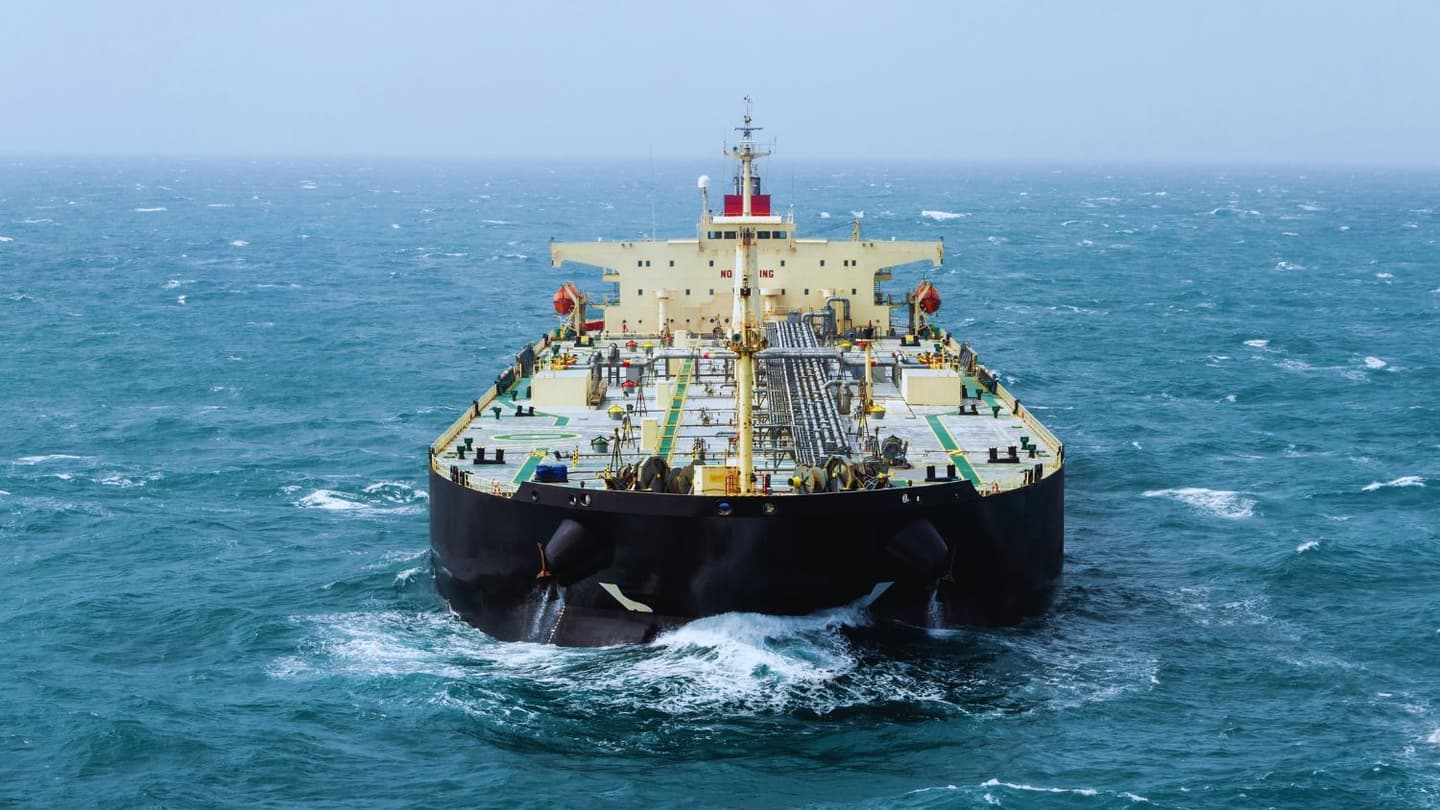
Around 90 vessels have transited the Strait of Hormuz since the start of the conflict, with Iran continuing crude exports, indicating partial disruption rather than a full blockade.
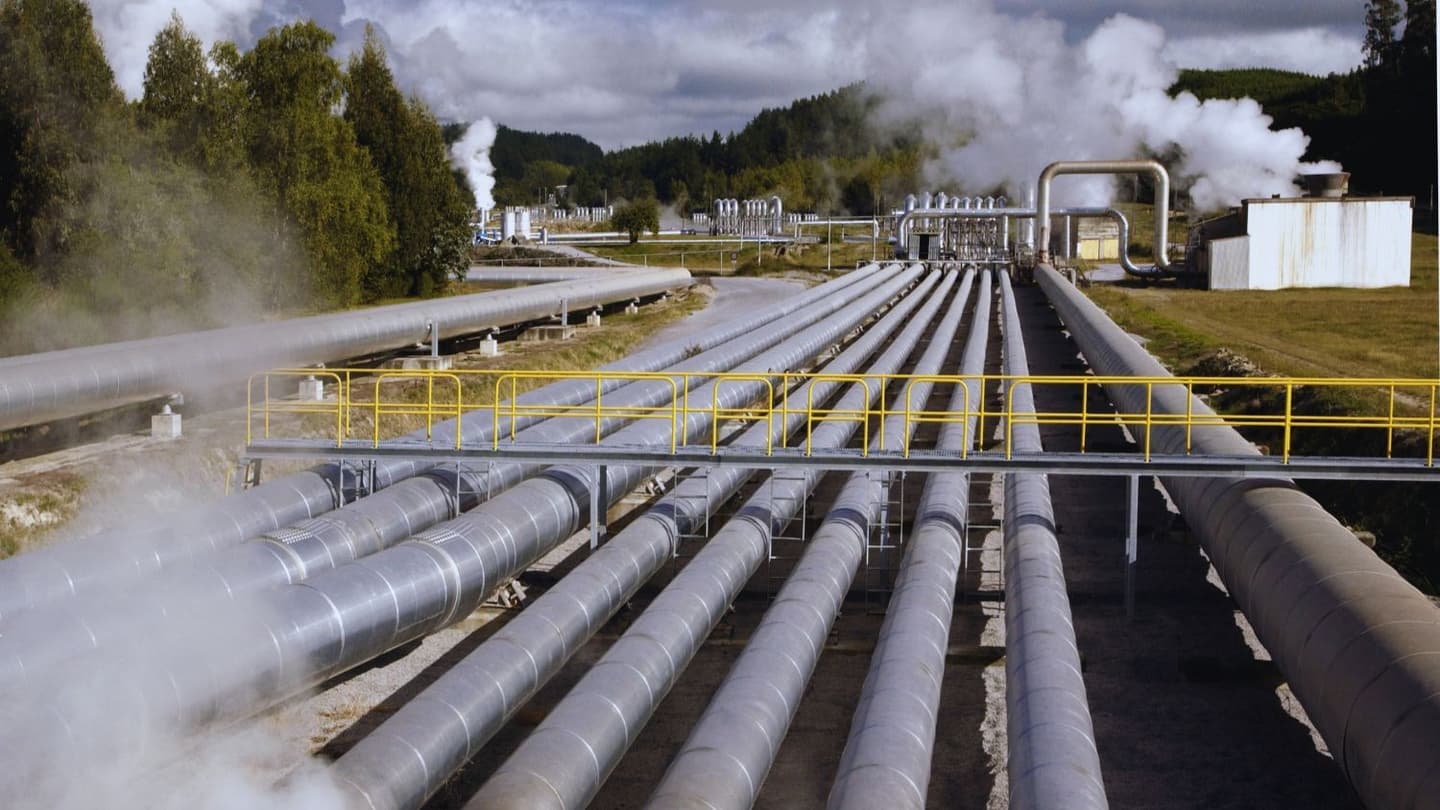
A Parliamentary panel has recommended that India raise its crude oil reserves to 90 days, expand PNG connections and improve LPG affordability to strengthen energy security.
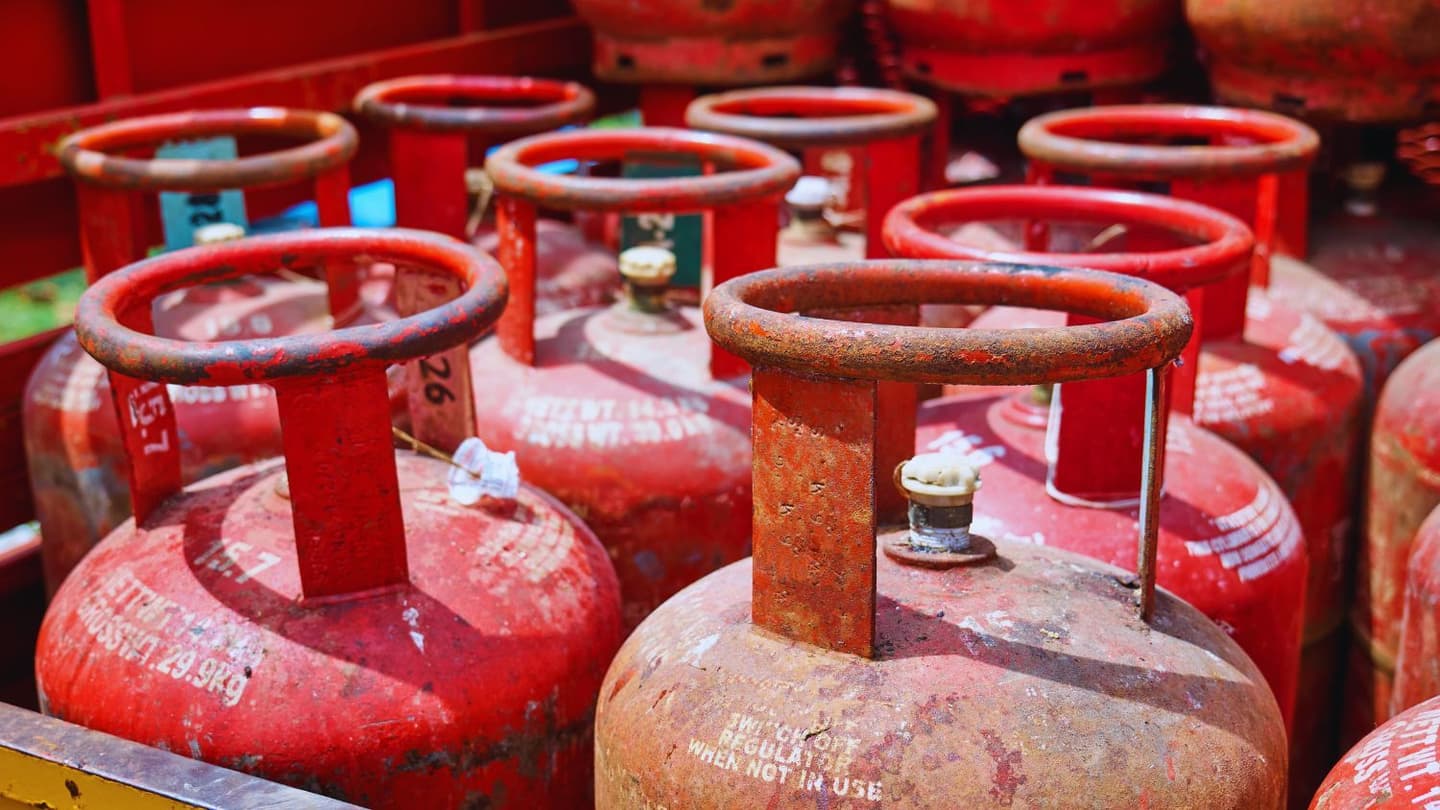
The government has intensified enforcement and demand-side measures to stabilise LPG supply, conducting over 12,000 raids and seizing more than 15,000 cylinders amid developments in West Asia.
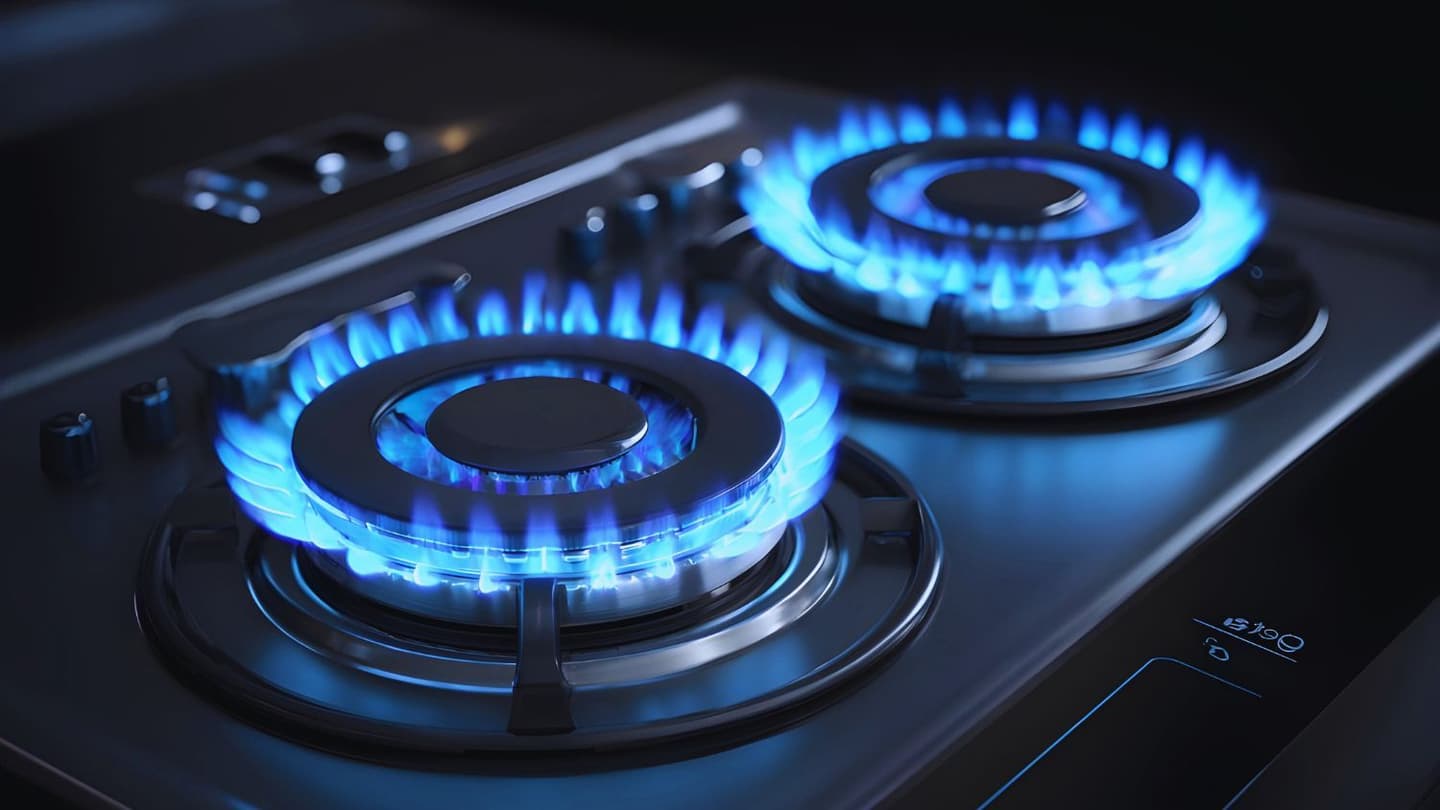
The government said LPG supply remains stable but under close monitoring amid developments in West Asia, highlighting higher domestic production and increased push for PNG connections to manage demand.
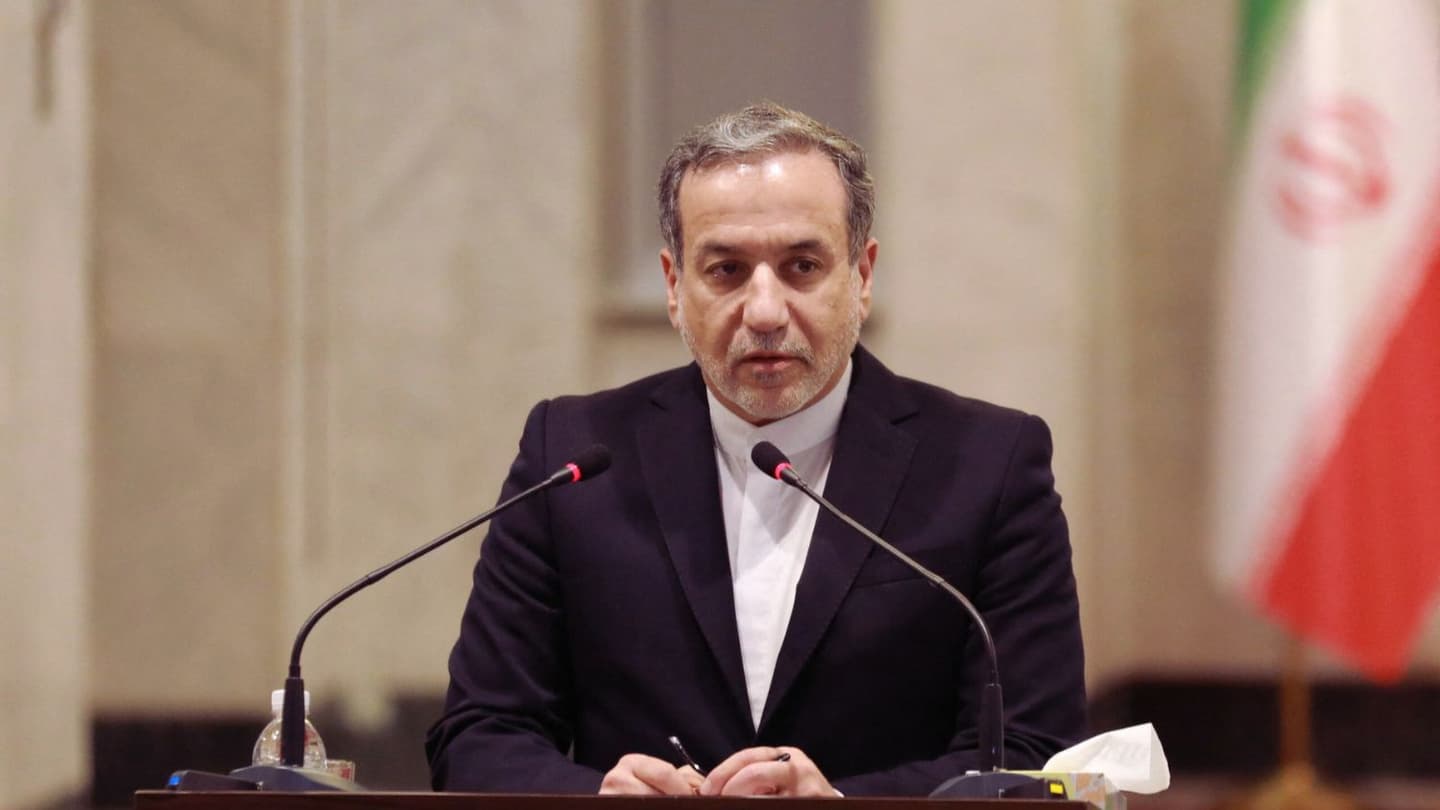
Iran’s Foreign Minister Abbas Araghchi said Strait of Hormuz remains open for international shipping but vessels linked to the US and Israel will not be allowed to pass through it.
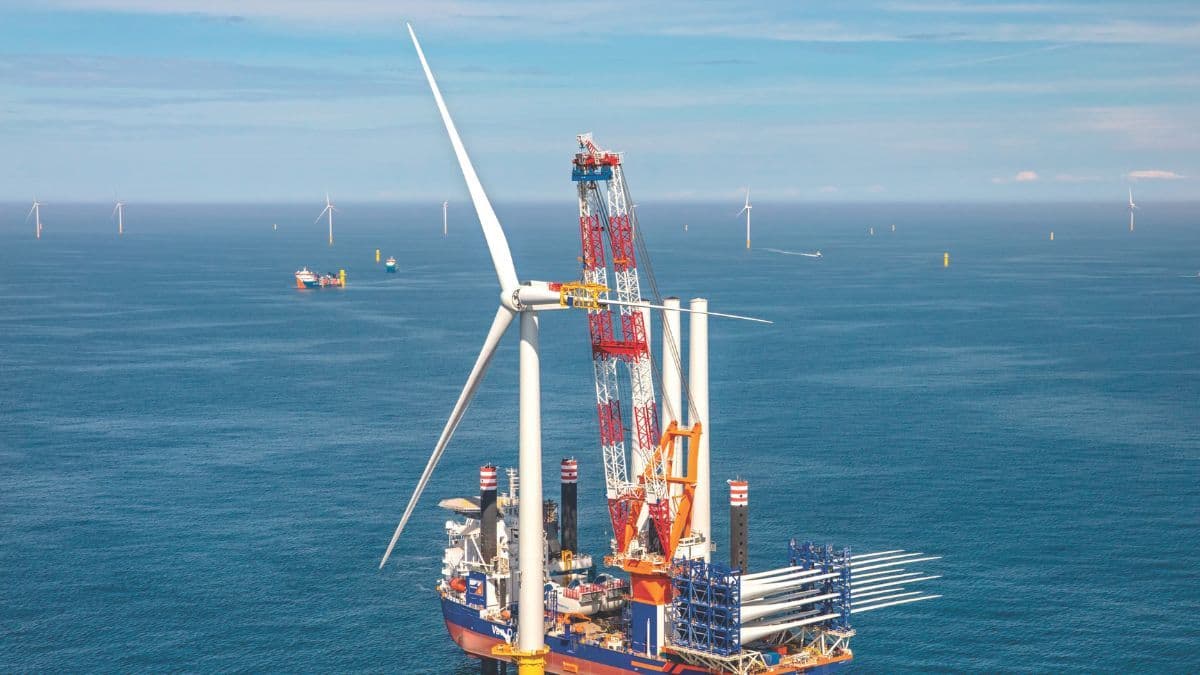
India and the UK have launched an Offshore Wind Taskforce to strengthen policy design, financing and supply chains, supporting early projects under the VGF scheme and advancing India’s offshore wind ecosystem.
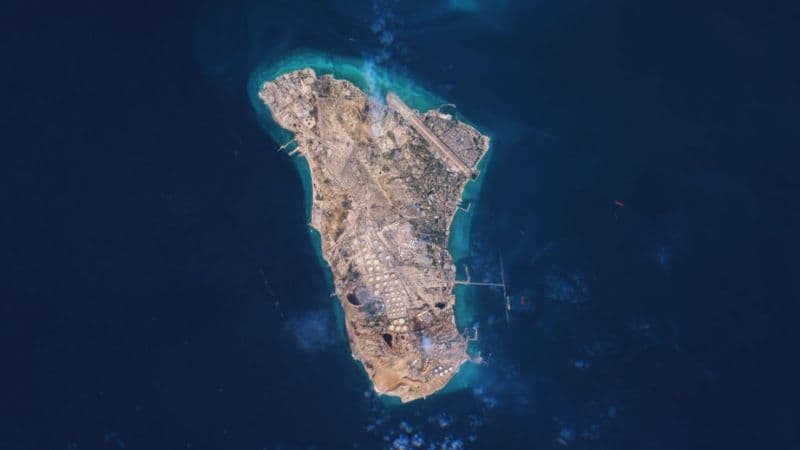
Global oil prices climbed after US strikes on Iranian military assets on Kharg Island heightened tensions in the Persian Gulf and raised concerns about potential disruptions to global energy supplies.
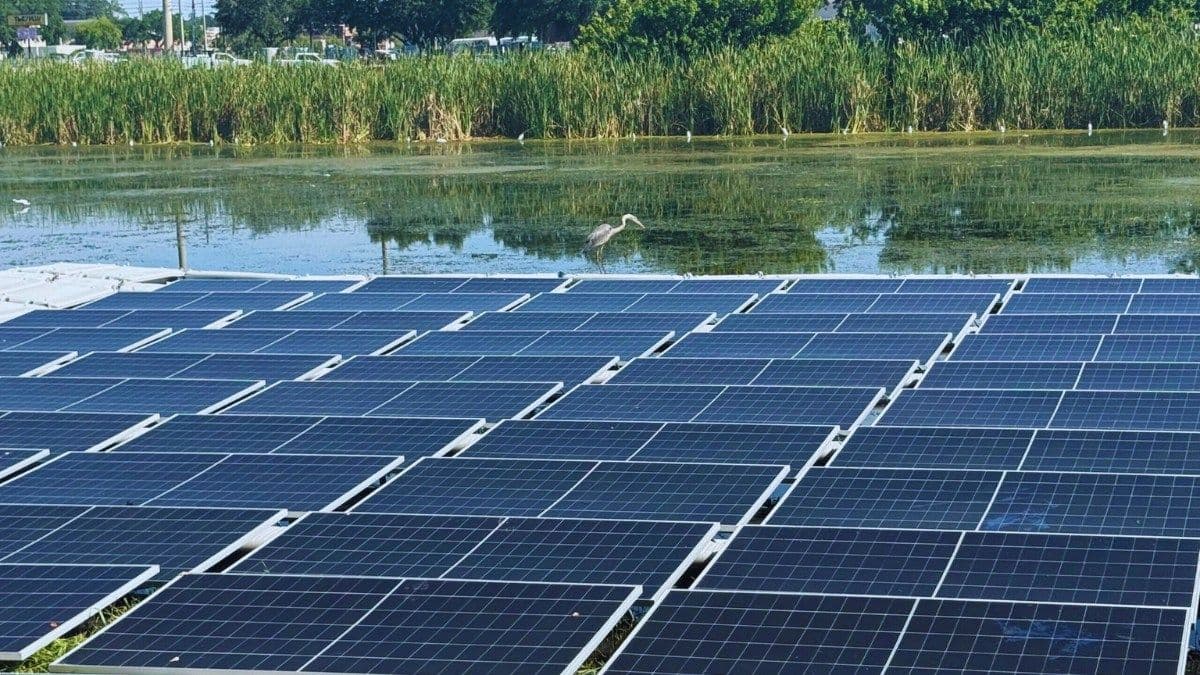
MNRE has begun consultations on a draft floating solar policy and potential assessment, aiming to unlock deployment by improving site data, streamlining approvals and helping states identify suitable water bodies.

Conflict-driven volatility in global energy markets highlights the risks of fossil fuel dependence and underscores the strategic value of renewable energy, UN climate chief Simon Stiell said.