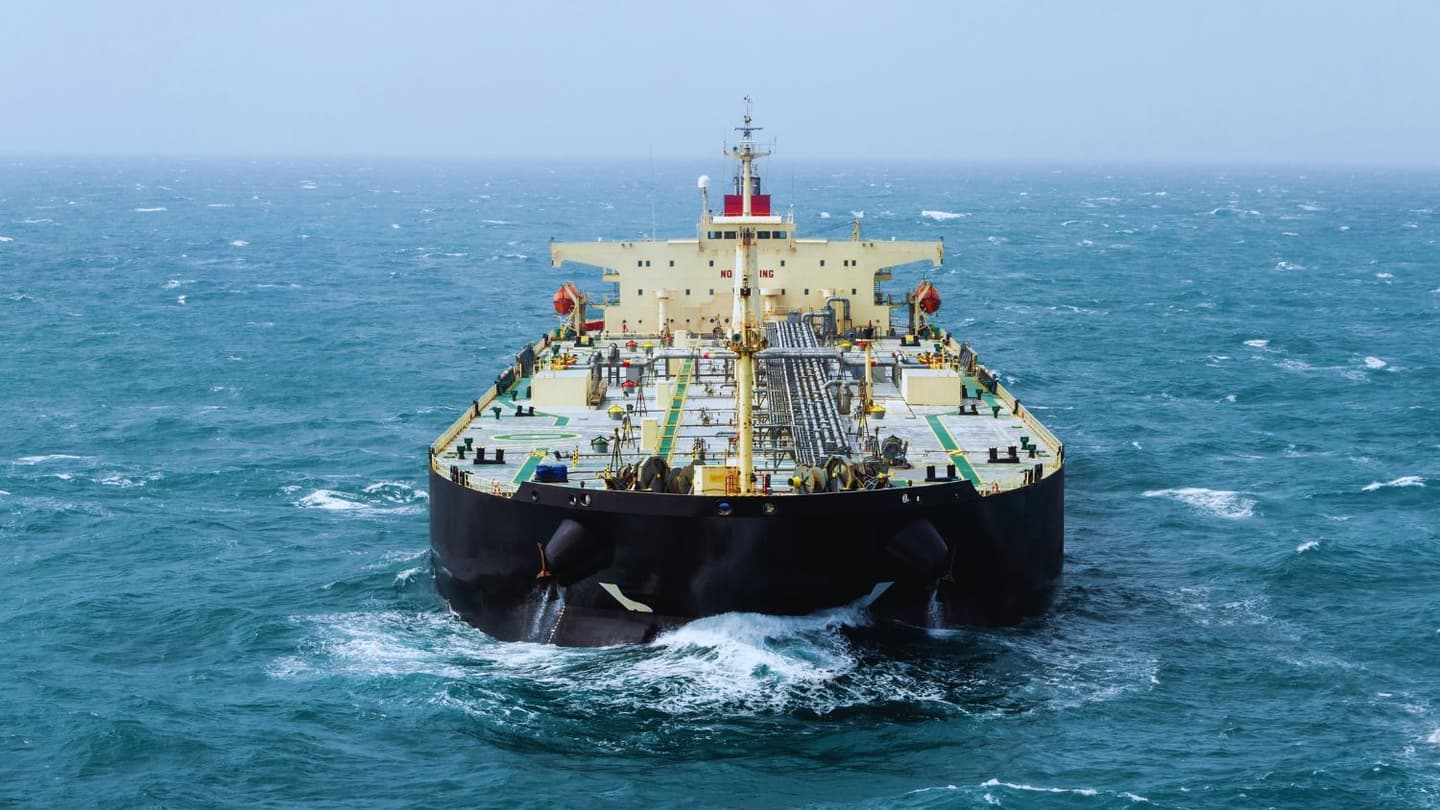
Around 90 vessels, including oil tankers, have passed through the Strait of Hormuz since the start of the ongoing West Asia conflict, even as tensions continue to disrupt global energy markets.
According to maritime tracking data quoted by the AP, Iran has continued to export millions of barrels of crude oil. This is in spite of the hostilities, which indicate the key shipping route has not been completely shut.
The Strait of Hormuz, a narrow waterway connecting the Persian Gulf with global markets, has a significant share of global oil and liquefied natural gas (LNG) shipments, making it a critical artery for energy trade.
The data suggests that while shipping activity has been affected by heightened security risks and operational uncertainties, commercial movement through the strait has continued, with tankers and cargo vessels navigating the route.
The continued movement of vessels points to a partial disruption rather than a full blockade, even as geopolitical tensions in the region have pushed up oil prices and insurance costs for shipping.
Iran’s oil export estimates are broadly aligned with maritime traffic data, reflecting sustained flows despite the conflict.
The situation remains fluid, with global energy markets closely monitoring developments in the region for any escalation that could impact supply chains.