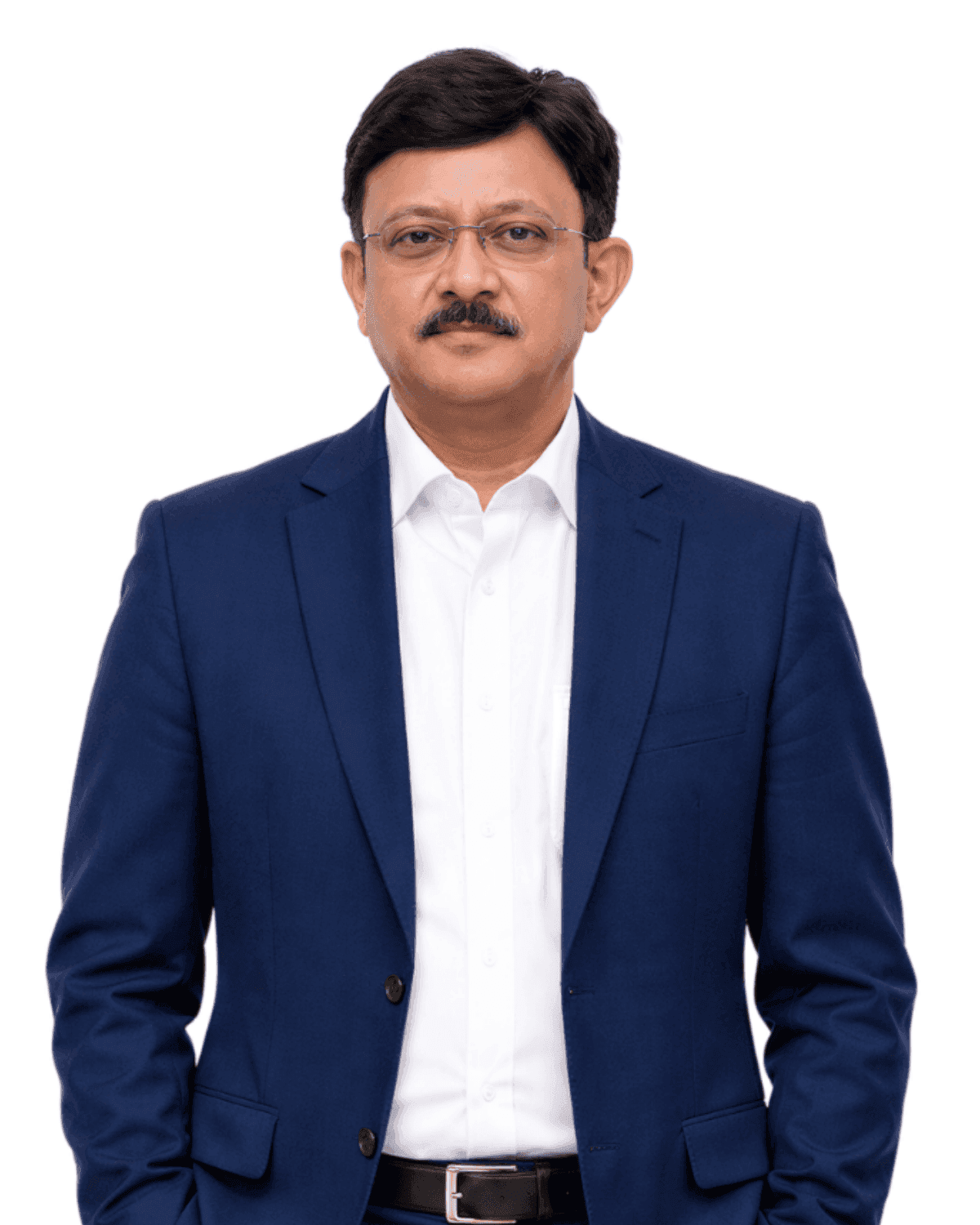
Gaurav Gupta, Additional Chief Secretary – Energy, Government of Karnataka, discusses the state’s approach to integrating renewable energy while maintaining grid reliability and meeting rising electricity demand. In an interview with ENERGDIVE, he outlines state’s resource adequacy plans, the role of thermal, hydro and storage capacity, and more for modernising its distribution infrastructure.
Q. Karnataka has already absorbed substantial renewable generation. What is the state’s power system experiencing the greatest integration pressure?
A: Karnataka has been adopting and accepting renewable energy for a long period of time. It is true to say that integration of renewable energy becomes a challenge wherever you are generating large amounts of renewable energy at a given site and there are transmission bottlenecks.
What we are doing here is we are basically charting our roadmap in such a manner that there is no curtailment of power at any place. We are adding renewable energy either close to the load centres and consumption centres, or else close to where transmission capacity is available. So we are taking a very calibrated kind of approach, a disciplined approach, and we are ensuring that there is no curtailment and restriction in terms of renewable energy.
Q: During periods of high renewable generation and lower demand, what combination of storage, transmission and flexible generation does Karnataka need most?
A: At all times, I think we need to have baseload with thermal. We will also need hydro for peaking and other emergency purposes because it is predictable and harnessable. And yes, we will need a large part of renewables, both from the cost perspective and from the point of view of responsible generation.
We are basically integrating a lot of things. A lot of energy goes into prediction models and advanced scheduling, and thereafter buying power through exchanges and other mechanisms. So we use a lot of energy and capabilities in buying power in the short term, way ahead in the real-time market, to ensure that we are able to balance the system.
Q. How should Karnataka manage rising industrial electricity demand while maintaining its position as one of India's leading clean energy states?
A: We have a resource adequacy plan, which talks about jumping or increasing the installed capacity from the current 37–39 GW to almost 60 GW in the matter of the next four years. And what we are doing for this is we have done a lot of load flow studies. We know how much thermal we need to add. We may perhaps need to add only about 2–3 GW of thermal capacity and baseload, etc. But a lot of it will be storage, and almost 23 GW will come in terms of solar and wind.
This is what we are planning. We have identified the locations where it will be set up. We are about to take up the tendering process. We will have several small contracts which will be taken up through our transparent competitive bidding process. This will ensure that we never lose sight of our goal.
"We have a resource adequacy plan, which talks about jumping or increasing the installed capacity from the current 37–39 GW to almost 60 GW in the matter of the next four years."
Q: Distribution modernisation is increasingly important as electricity demand becomes more digital and decentralised. Where should utilities invest first?
A: Utilities have to predict their own growth areas. There are several areas where growth is flat. There are also a number of areas in which you can take up decentralised solar, for example, irrigation pump sets. And that is easy to do, and that is what the distribution companies are doing. You do not really need to augment the transmission for that.
However, there are a number of areas around cities and industrial areas where the infrastructure needs to be augmented substantially. You also need to renew the old infrastructure. This is an ongoing exercise that our people are undertaking.