Bihar seeks to turn its evolving energy landscape into a driver of economic growth, with solarisation, smart metering, agricultural feeder modernisation, and stronger distribution networks as key priorities. The state is also looking to deepen industry participation across its energy ecosystem. In an exclusive interview with ENERGDIVE, Shailesh Kumar, Bihar’s Energy Minister, outlines the state’s energy ambitions, investment opportunities, and development priorities.
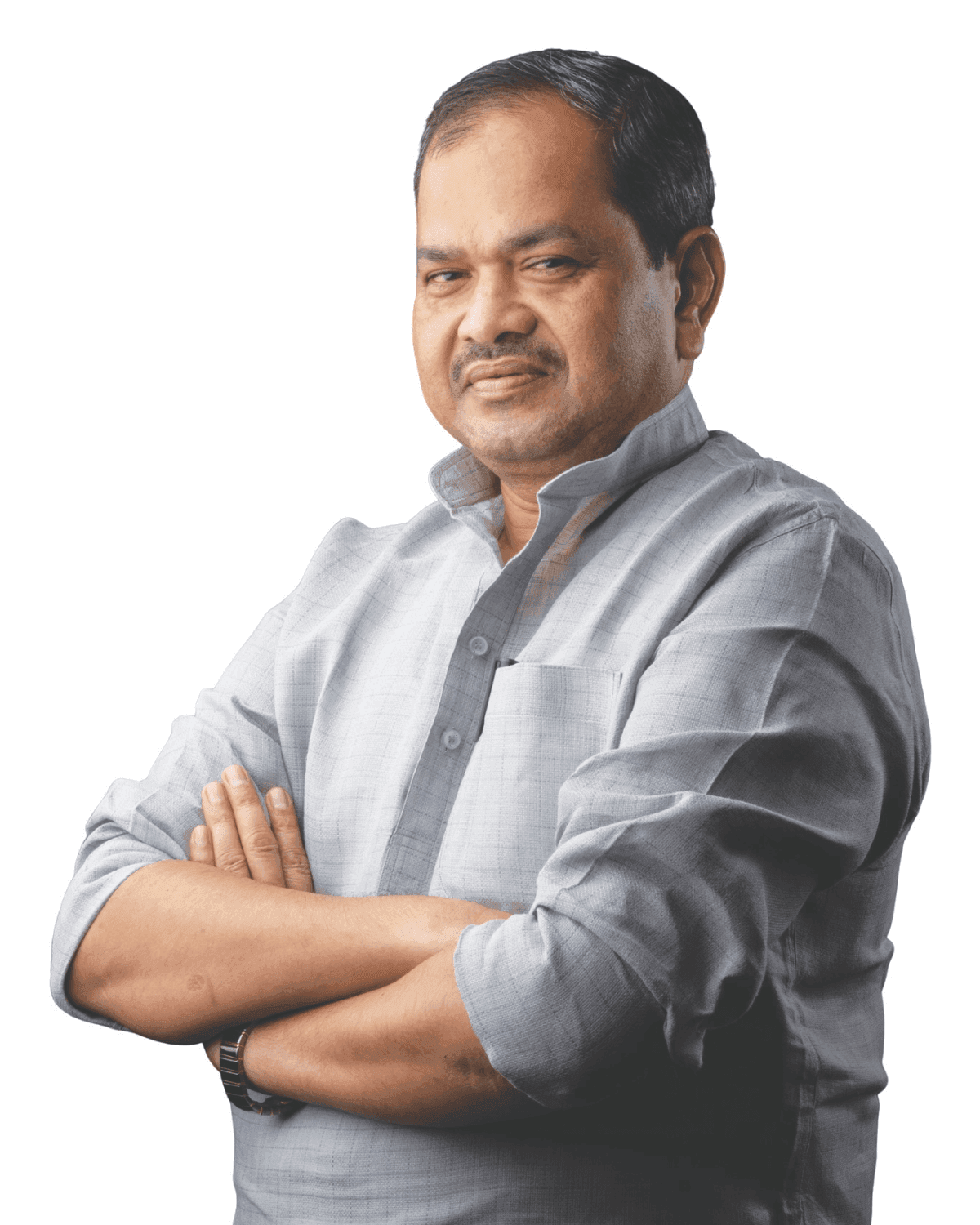
Q: What are the key priorities for Bihar’s energy sector as the state seeks to accelerate its development? A: Bihar’s prosperity is closely linked to India’s overall economic development. As India becomes more prosperous, Bihar will also continue to develop. Solarisation is an important part of this journey, particularly because it can create new opportunities for farmers. Bihar is already taking steps in this direction, and there is considerable scope for developers and other stakeholders to participate in the state’s energy transition.
At the same time, strengthening the discom and distribution system remains critical. The objective is to ensure that consumers have access to reliable, quality electricity 24 hours a day. This also requires greater focus on the resilience of the power system, particularly in the face of storms, extreme weather and climate-related challenges.
There is a need for all stakeholders to think continuously about how they can contribute to Bihar’s development. Several developers are already working in the state, and we would like to see greater participation and investment.
Bihar has changed significantly and made considerable progress in recent years. There are opportunities to do much more, particularly in the energy sector. We would like developers and industry stakeholders to visit Bihar, understand the opportunities on the ground, and become partners in the state’s development.
The government is committed to supporting this process. We have the institutional framework and the team required to take these initiatives forward. I believe the coming years can be an important phase in Bihar’s development, with the energy sector playing a significant role in that progress.
Q: Bihar has a deep cultural and spiritual connection with the Sun. How do you see this heritage influencing the state’s approach to solar energy, energy self-reliance and environmental protection? A: Bihar has a strong connection with spirituality. This connection can also be related to the way we think about energy self-reliance. Sunlight is a resource that nature has given us. If we use it to generate electricity, we can move towards greater self-reliance in power, while also protecting the environment.
Bihar, and particularly Bhagalpur, has a deep cultural connection with the Sun. Bhagalpur is associated with Karna, who is described in our spiritual traditions as the son of the Sun God. The significance of the Sun is also reflected in Bihar’s traditions and festivals. Chhath is an important example. The festival carries the tradition of offering prayers to both the setting and the rising Sun. This reflects the respect for the Sun that is deeply embedded in Bihar’s cultural life.
Today, when the ecosystem is deteriorating and environmental pollution is a concern across the country and the world, we need to think about how we can use the resources available to us without harming the environment. The message is therefore not only about generating electricity from sunlight but also about using a resource provided by nature to strengthen our energy self-reliance while working towards a healthier environment.
"Nearly ₹1.5 lakh crore is expected to be invested in the state’s energy sector next year, reflecting the scale of the opportunity."
Q: With solar generation declining after sunset, how is Bihar planning to meet peak-hour electricity demand and ensure adequate power supply? A: When the Sun sets, the challenge is how to meet electricity demand during the peak hours. Bihar has an important message in this regard: we should not focus only on the rising sun and solar generation during the day; we also need to think about how to address the power requirement when the sun sets. We need to develop a system that can help meet peak-hour electricity demand and take this approach forward.
Bihar is working in this direction. Our objective is not to depend on a single source alone, but to develop a system that can address the changing requirements of the power sector and ensure adequate electricity during peak-demand periods. The use of Battery Energy Storage Systems (BESS) and pumped-storage systems can help store surplus electricity generated from solar power during the day and make it available to meet peak demand after sunset.
Q: What investment opportunities do you see across Bihar’s power and wider energy ecosystem, and what support is the government providing to attract investors? A: We are working across several areas of the power sector, including smart metering, thermal power, nuclear power and pumped storage. These are all areas in which there are opportunities to take Bihar’s energy sector forward. I would like to assure investors that the Bihar government is fully supportive of investment in these sectors. Investors who are already working in Bihar are contributing to the state’s development, and we would like to see more investors come forward. Nearly ₹1.5 lakh crore is expected to be invested in the state’s energy sector next year, reflecting the scale of the opportunity.
Investors can work across different sectors to contribute to Bihar’s development. There are opportunities not only in power generation but also in areas linked to the wider energy ecosystem. Solar energy is one such area. Investors can establish industries for manufacturing solar panels and other related activities in Bihar. At the same time, we will work towards providing the necessary infrastructure and affordable electricity for industries setting up operations in the state. Our objective is to create conditions that encourage investment and enable industries to contribute to Bihar’s economic and energy development.
Q: How important is a strong energy sector to Bihar’s industrial growth and the creation of employment opportunities for its youth? A: The growth of Bihar’s industrial sector is important for creating jobs and employment. A strong energy sector is essential for this because industrial development depends on a reliable power supply. We therefore need to strengthen the energy department and the wider power sector if we want to expand Bihar’s industrial base. The objective is to create the conditions necessary for industrial growth and greater employment opportunities for the state’s youth.
Q: How is Bihar advancing smart metering, and what other areas of the power sector are being prioritised alongside it? A: Smart metering is another important area of work for Bihar. We have made significant progress in smart meter installation, with around 94 lakh smart meters installed, making our state number one in the country in this regard. We are progressing in this area while also working across other parts of the power sector, including thermal power, nuclear power and pumped storage. There has been work on smart metering across the country, but the focus now also needs to extend to the agricultural sector, particularly the development and effective utilisation of agricultural feeders.
Q: How is Bihar planning to strengthen and solarise its agricultural feeders, and what role can investors and developers play in this effort? A: The key priority is to strengthen agricultural feeders and take forward their segregation and solarisation. The objective is to solarise 100 percent of agricultural feeders in Bihar in the coming years. A new policy has also been passed by the Cabinet under which a subsidy of ₹1 crore per MW will be provided to developers.
Considerable work has already been undertaken on agricultural feeders, but there is scope to do much more. For farmers, the cost and availability of electricity are important. Reducing dependence on diesel-powered pumps and providing affordable electricity can help improve the economics of agriculture and support farmers’ incomes. We want investors and developers to participate in the solarisation of agricultural feeders in Bihar. This can become an important area of collaboration between the government and the private sector.