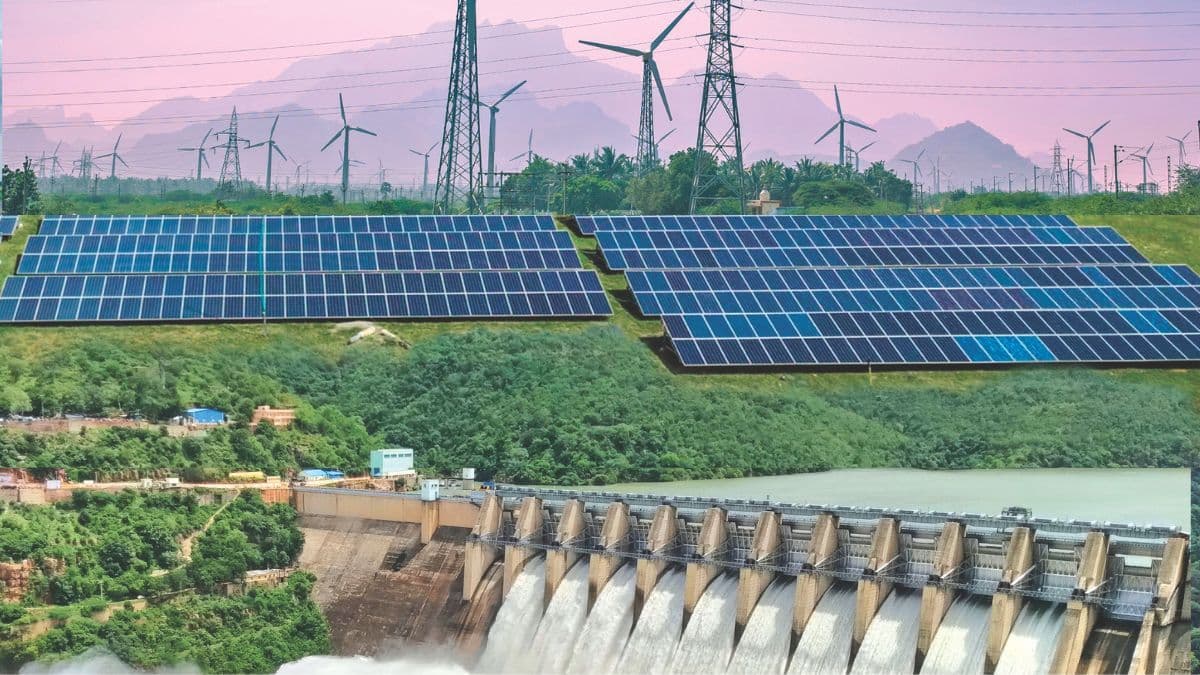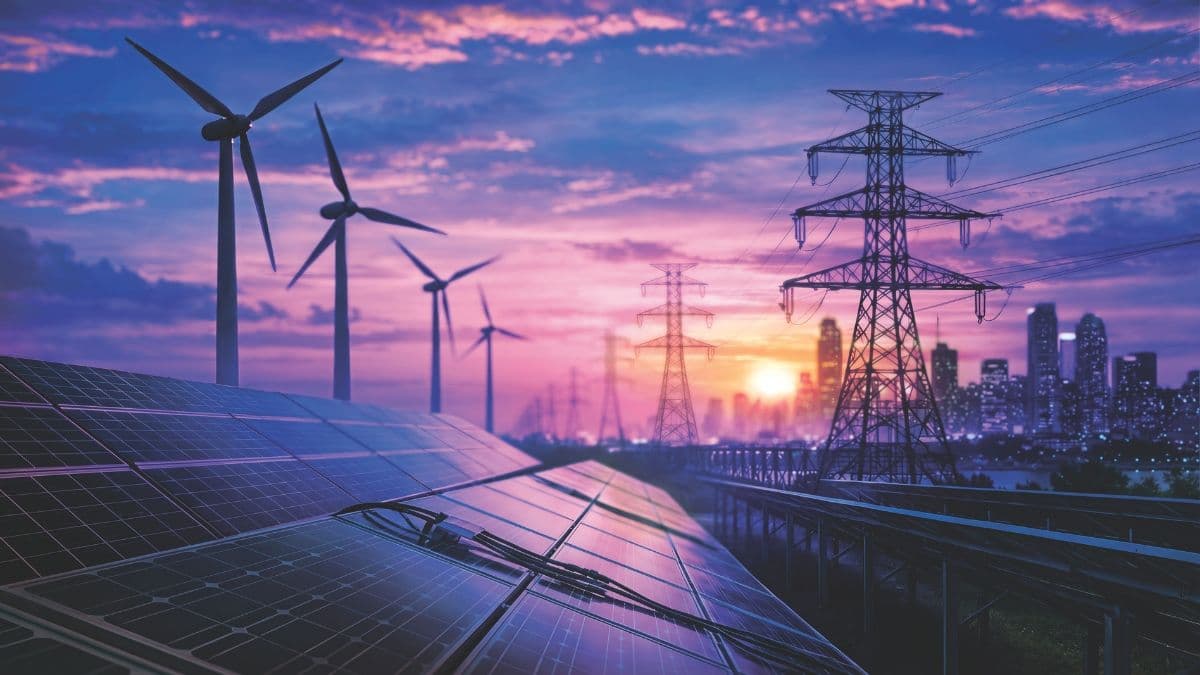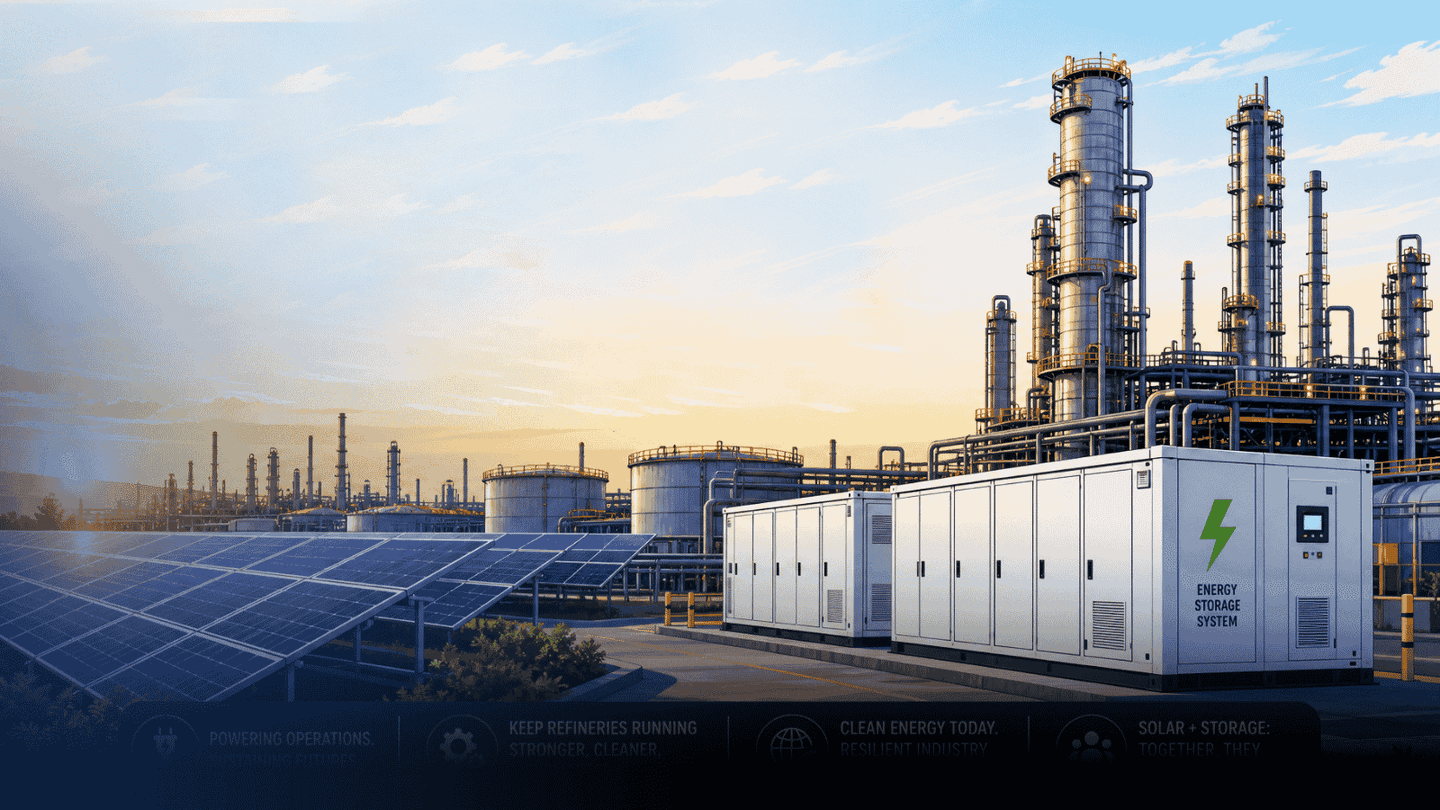
Uninterrupted electricity and stable load management are essential for refineries to carry out processes, including hydro processing, hydrogen production, catalytic cracking...
Refineries are among the world’s most energy-intensive industrial assets, making power reliability and cost management increasingly critical. As electricity prices rise and decarbonisation pressures intensify, downstream companies are exploring solar-plus-storage systems to boost energy resilience, optimise operations and future-proof refinery infrastructure.
Why Solar Power Generation alone Not Sufficient
Captive solar installations are witnessing expansion across sectors. However, the operations of downstream companies cannot depend on standalone renewable generation, as refineries function continuously and even run 24 hours a day in an environment that is highly sensitive in nature. Uninterrupted electricity and stable load management are essential for refineries to carry out processes, including hydro processing, hydrogen production, catalytic cracking and petrochemical conversion. If refineries experience even minor voltage fluctuations and power interruptions, their throughput, operational safety and equipment reliability could be hit. This reality explains the importance of battery energy storage system when strategies are drawn up for downstream renewable integration.
The International Energy Agency (IEA) state that grid-scale storage plays an important role, providing important system services that range from short-term balancing and operating reserves and ancillary services for grid stability.
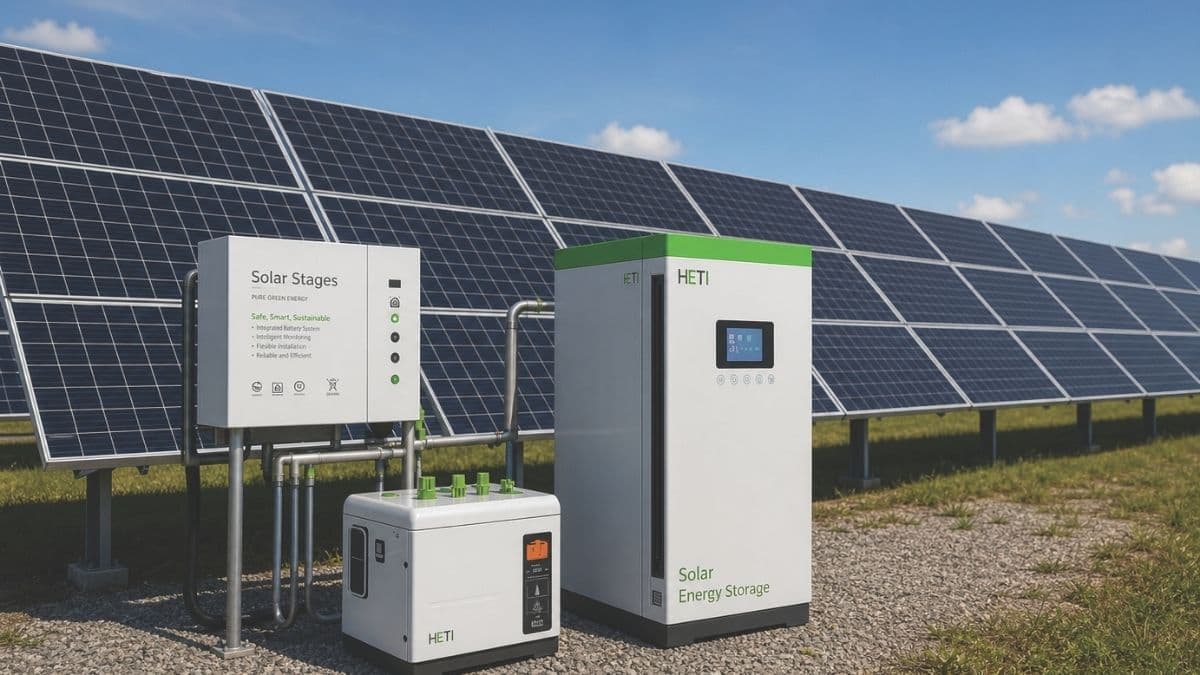
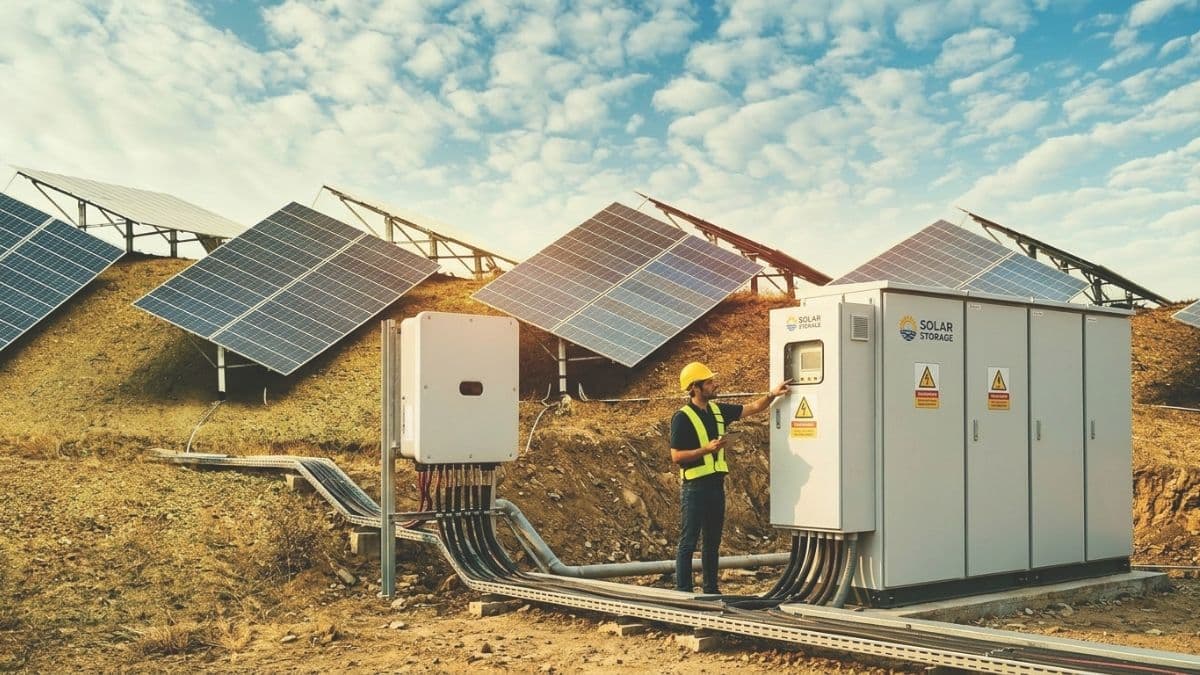
With Battery Energy Storage System (BESS) infrastructure in refinery ecosystems, surplus solar energy generated during the daytime can be stored. This energy can be used when demand peaks, during low renewable energy generation windows, or during grid instability. Additionally, BESS are vital for critical refinery processes as it support their frequency regulation, peak shaving, load balancing and backup support. Industry experts are of the view that without BESS, only generating solar energy is not sufficient for refineries. This is prompting the designing of solar-plus-storage systems to be integrated into an industrial energy solution instead of a standalone renewable project.
BESS are vital for critical refinery processes as it support their frequency regulation
Investment Timing
The economic, regulatory and operational pressures are converging, which is driving the increased interest in solar-plus-storage by the downstream companies. With the change in fuel patterns, focus on electrification and evolving petrochemicals demand, refining margins are becoming volatile. In the future, IEA says that the demand for refined products are likely to slow considerably. This will fuel increased competition pressure across refining market.
This situation is prompting refiners to explore avenues for optimising operational expenditure and cutting long-term energy procurement risks. Captive solar projects are emerging as a promising option as they can offer stability to power costs over the long period of operational cycle and storage systems help companies reduce peak-hour power purchases as well as improve utilisation efficiency.
Besides, capital allocation and investor perception is being shaped by sustainability disclosures, carbon reduction expectations, and Environmental, Social and Governance (ESG) framework, leading renewable energy integration is evolving not only into financial but also reputational consideration for downstream companies. According to some industry observers, energy security is also a concern. Refiners are boosting energy resilience using hybrid captive power systems with an integration of solar, storage, grid supply and conventional backup generation, as they experience unstable grid, rise in industrial demand and price volatility of power.
Strategic significance of renewable power and storage infrastructure is slated to increase with the development of refinery-linked green hydrogen projects by downstream companies
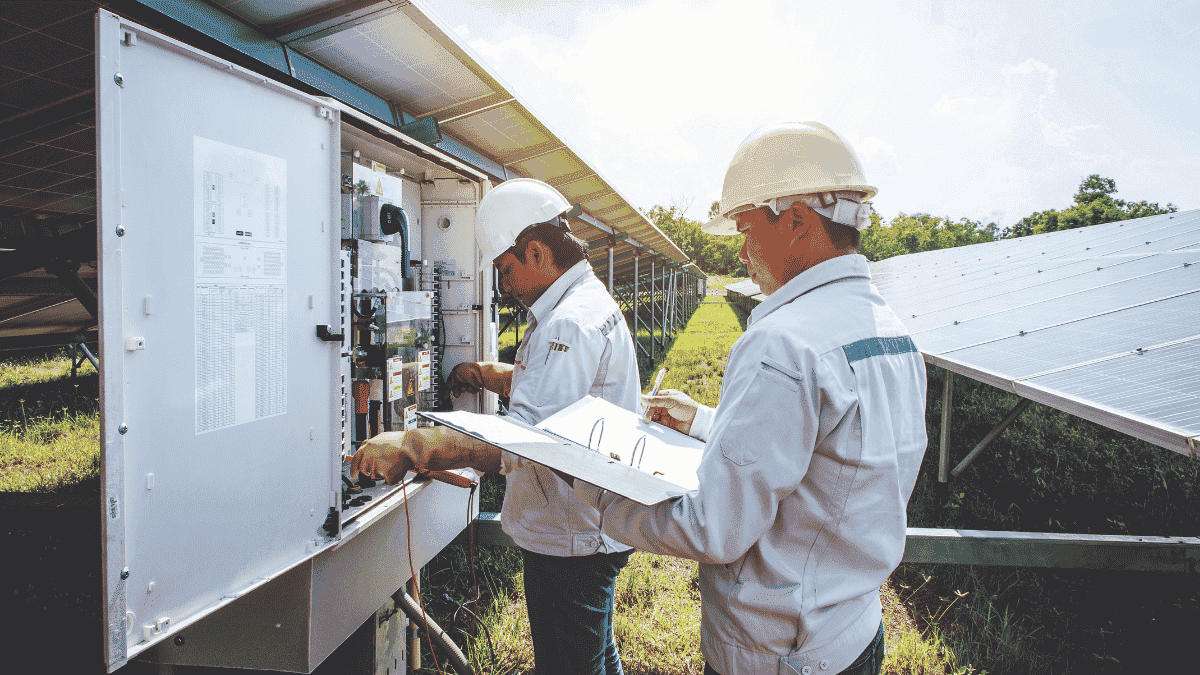
Stepping Stone
The country’s downstream majors are accelerating their broader renewable energy and decarbonisation initiatives. However, these are at an early stage Presently, oil marketing companies and refiners have an intense focus on enhancing energy efficiency, developing green hydrogen and procuring renewable power, among others. Deploying large-scale BESS in a refinery ecosystem is playing a second lead of sorts. But these initiatives, many industry experts believe, are laying the ground work to deeply integrate solar power and battery storage infrastructure over the next decade. This is in the view of greater energy resilience, lower power procurement costs, improved reliability and reduce carbon intensity sought by refiners.
A shot in the arm is the policy support. The government is seemingly encouraging storage-linked renewable infrastructure. As per the policies and guidelines of the Ministry of New and Renewable Energy, various frameworks have been spelled out for Energy Storage and Systems (ESS) encompassing viability gap funding, procurement mechanisms and transmission charge waivers to accelerate storage infrastructure deployment across power and industrial sectors. Besides, the government has rolled out guidelines to support 24x7 renewable power procurement integrated with power systems to create future pathways for industrial adoption of hybrid energy infrastructure.
Experts note that strategic significance of renewable power and storage infrastructure is slated to increase with the development of refinery-linked green hydrogen projects by downstream companies. This is owing to requirement of the stability of continuous power supply by electrolyser operations in spite of intermittency associated with solar
generation. Solar-plus-storage systems are expected to be the centre of strategy of downstream companies over the next decade, as refining economics to be sensitive in nature owing to likelihood of rising energy costs, emissions intensity and operational resilience.
Global Players’ Moves
Acceleration of renewable integration into the operations of major downstream energy companies and integrated energy titans are visible around the world. Saudi Arabian Oil Company, Abu Dhabi National Oil Company, Shell plc and Total Energies say that they are eying a broader energy transition and undertaking low-carbon infrastructure initiatives. Their steps will be connected with refining, hydrogen, renewables and industrial decarbonisation. Owing to the supremely irradiation advantages and requirement for conserving hydrocarbons for a higher-value use and exports, industry observers note that refiners of the Gulf nation are upbeat about prospects of solar integration into their operations. However, the situation is a bit different for European refiners as they are navigating more pressures to reduce carbon. To offset the pressure without compromising long-term competitiveness, they are investing in electrification, renewable integration and hydrogen-linked industrial processes.
Solar-plus-storage systems are expected to be the centre of strategy of downstream companies over the next decade
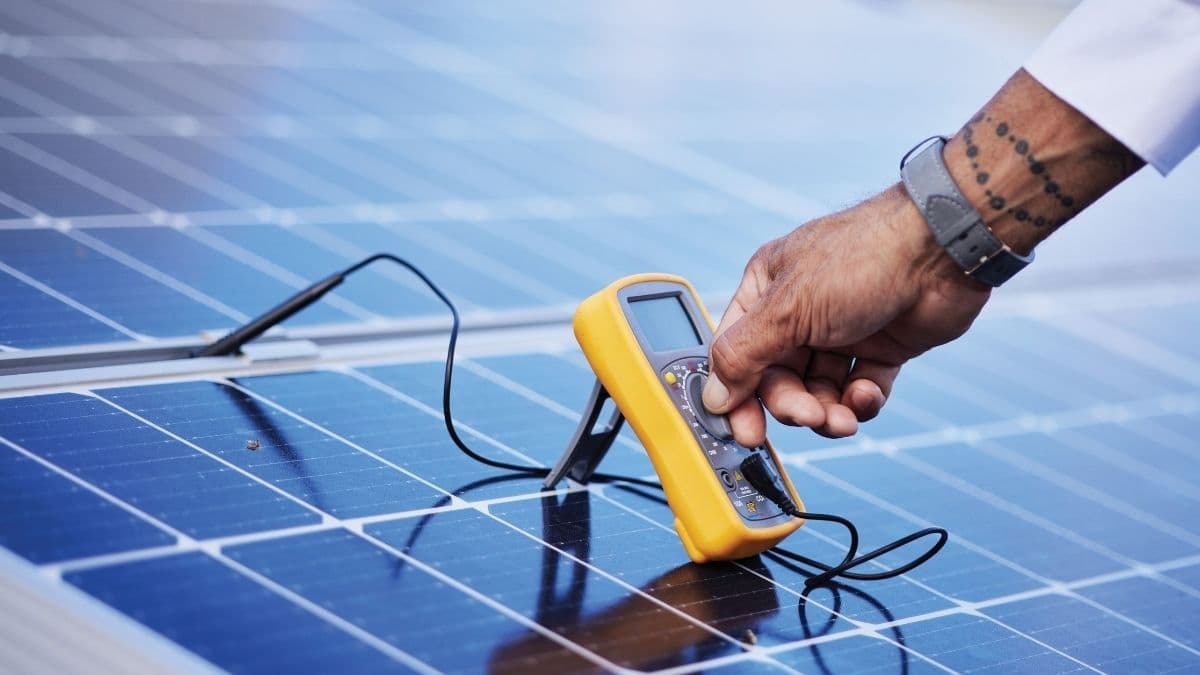
In evolving landscape, solar-plus-storage will be positioned as a core of operational architecture of downstream infrastructure— moving beyond as an environmental requirement
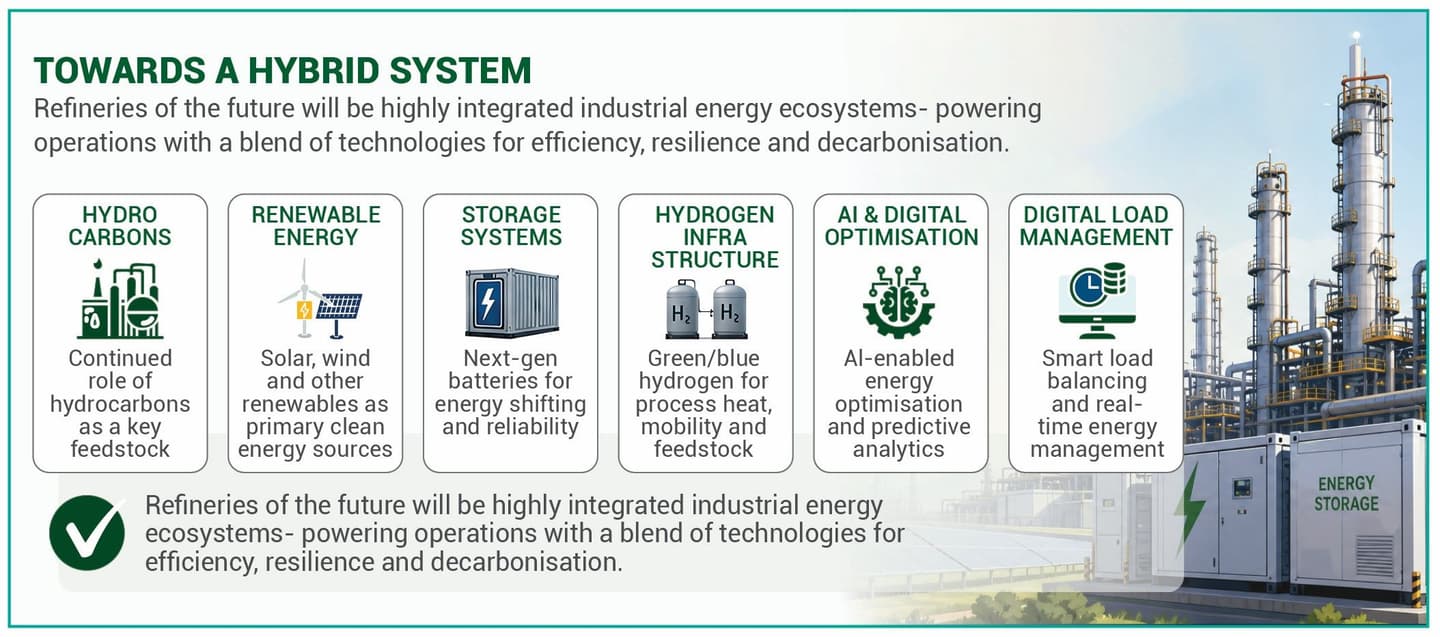
Towards a Hybrid System
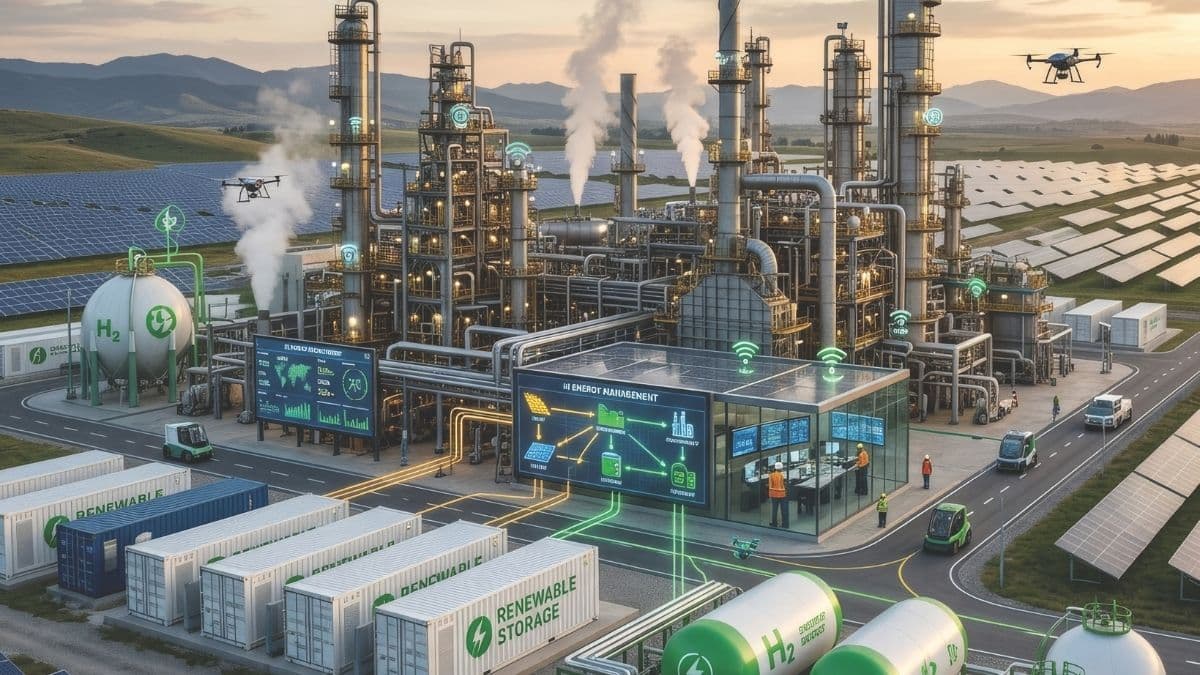
In the future, experts assess, refineries will cease to operate—solely using conventional hydrocarbons. For evolving into a highly integrated industrial energy ecosystem, they say that refineries will combine hydrocarbons, renewable energy, storage systems, hydrogen infrastructure, AI-enables energy optimisation and digital load management. As downstream companies will seek greater efficiency, resilience and carbon optimisation in their operations, the role of next-gen batteries, industrial microgrids, predictive analytics and hybrid captive power systems will be significantly higher. In this evolving landscape, solar-plus-storage will be positioned as a core of operational architecture of downstream infrastructure— moving beyond as an environmental requirement. From the periphery to the centre of strategy, captive solar plants and battery energy storage systems are moving steadily. Renewable integration is emerging not only as a commercial necessity but a resilience strategy as well for refiners encountering margin pressures, energy costs increase and decarbonisation pressures. Although the players many still be processing hydrocarbons as feedstock, however, their operations are expected to run on renewable energy-powered energy process tapping into storage, digital optimisation and hybrid energy Architecture.