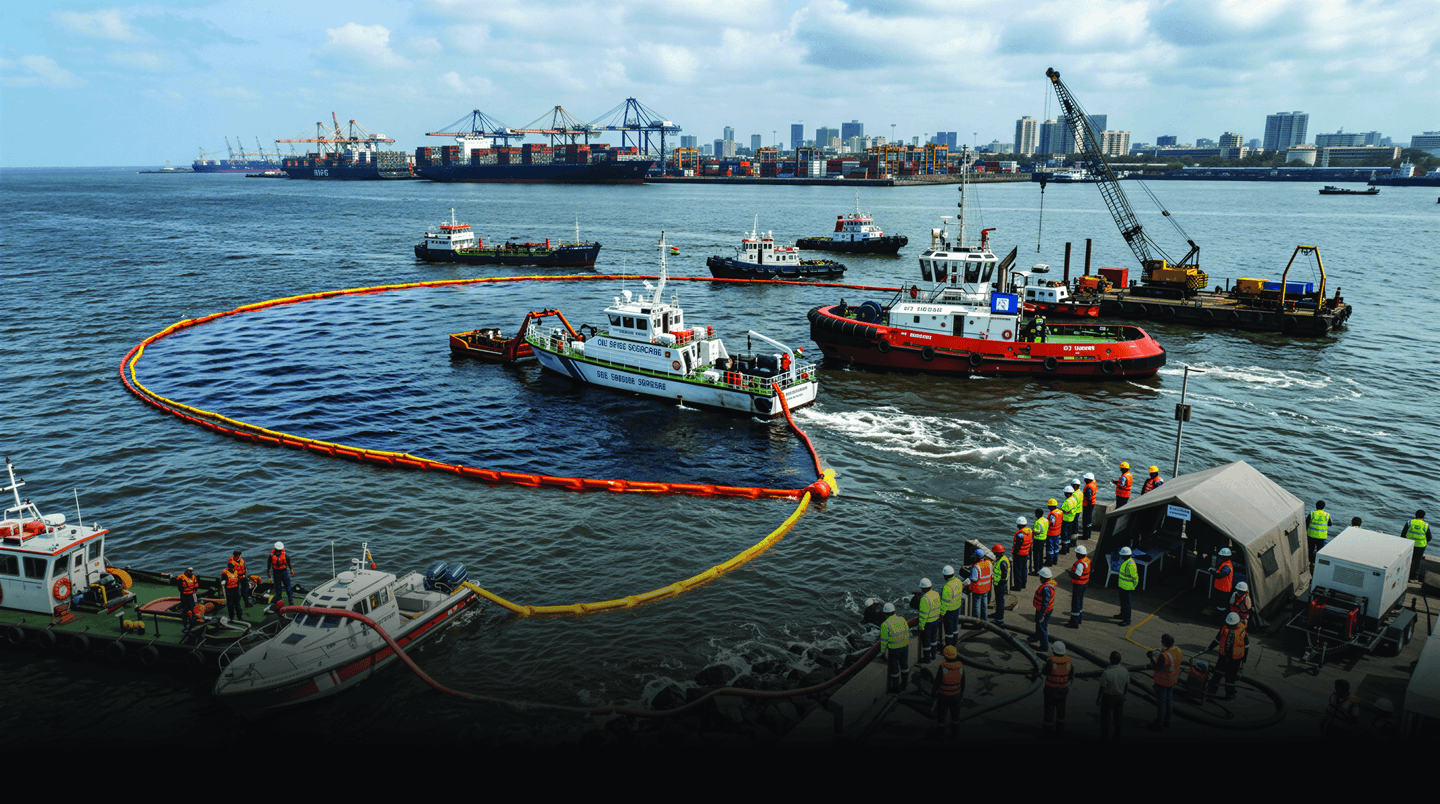
The country has been able to develop a substantial oil spill response system. The harder task, experts feel, is bringing salvage, ports, regulators, insurers, technology and private operators into a single response arrangement before a major maritime casualty tests the system.
An Oil Spill is Rarely a Standalone Event
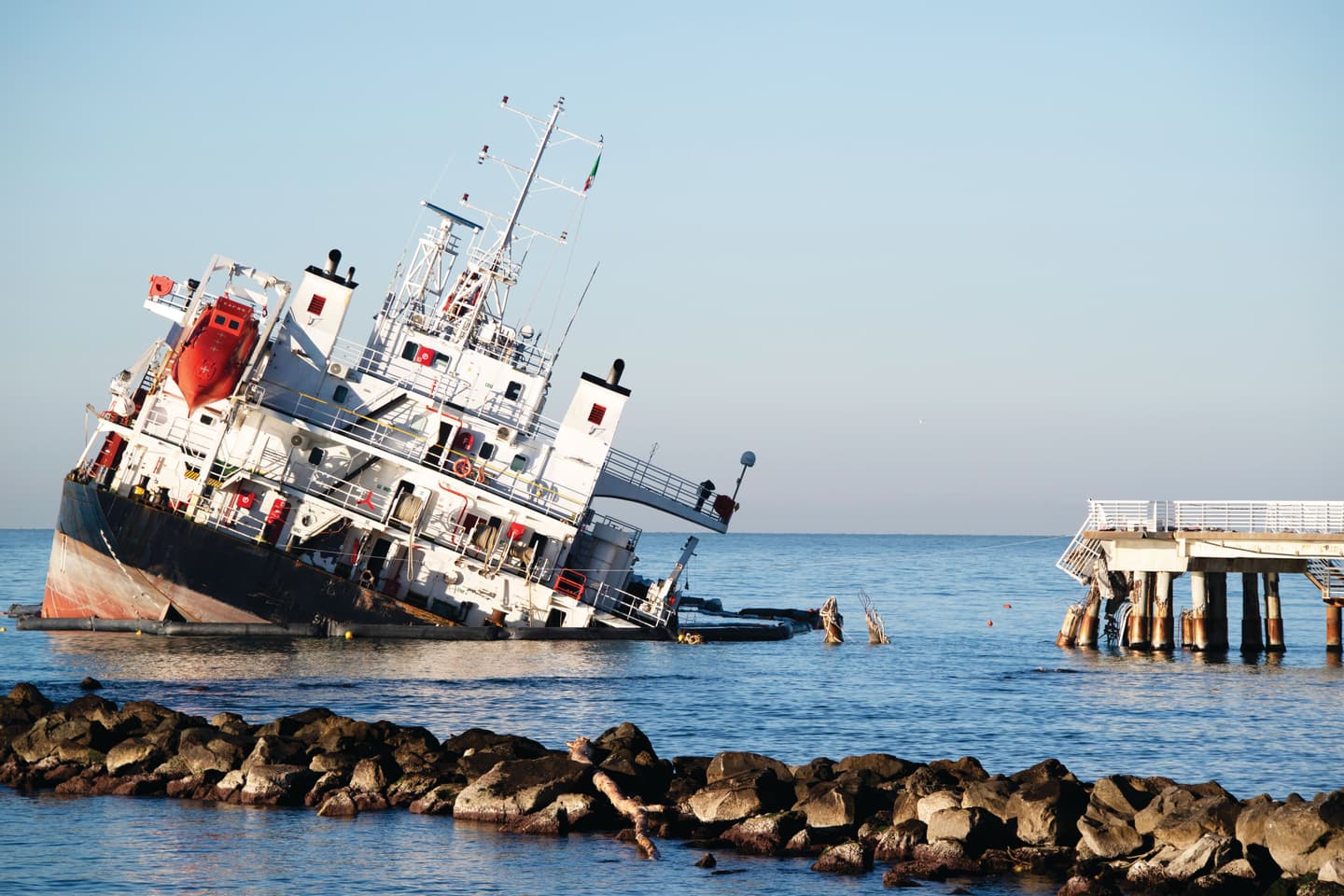
The first concern for the people dealing with a damaged vessel may be fire, flooding, structural damage, a drifting ship, or the need to save the crew. Pollution can develop alongside all of these, and salvage decisions may have to be taken while the cause of the casualty is still being assessed. That is the setting in which India’s preparedness has to be judged.
A White Paper titled ‘India’s Preparedness in Oil Spill Recovery and Operations’ by Samudra Manthan Foundation does not portray a country without the means to respond. It records progress in oil spill response, surveillance and institutional capability. Besides, it points to gaps that become more serious when an incident requires several agencies and specialist operators to act together.
Salvage is capital-intensive, technically demanding and subject to irregular demand. This creates a difficult proposition. The country needs specialist capability to be available before a casualty
The recurring concern throughout the document is not the absence of individual capabilities, but the lack of a sufficiently integrated system around them. That runs through command, salvage, contracts, finance, equipment, training, technology and regional cooperation. India has the response machinery, but is yet to have all the connections.
Need for Uniform Preparedness
The document records progress in pollution-response capability but says preparedness is not uniform across ports and coastal regions. It identifies weaknesses in speed, scalability and interoperability. The same points to limited use of predictive analytics, real-time monitoring, incident modelling and an integrated digital ecosystem. Also, it identifies a coordination problem.
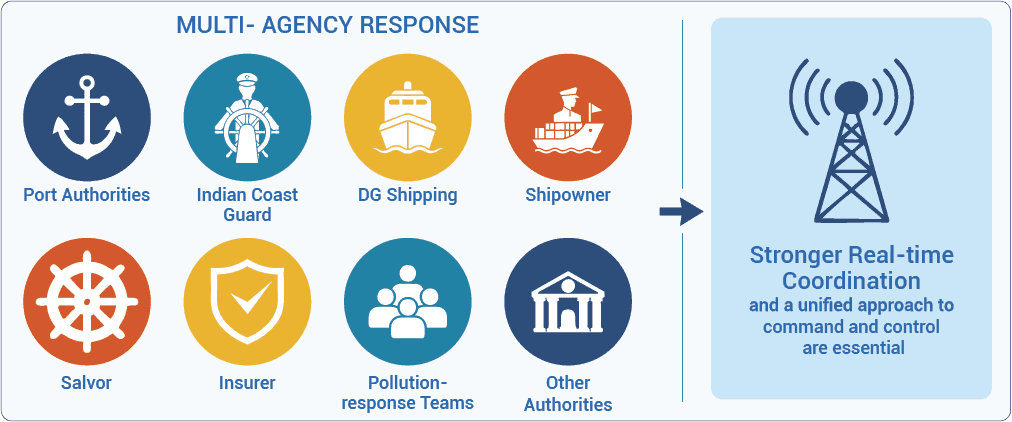
Although the responsibilities of the Indian Coast Guard, Directorate General (DG) of Shipping and port authorities are broadly defined, yet major incidents can still produce delays in multi-agency decision-making. The document calls for stronger real-time coordination and a unified approach to command and control. That matters because a casualty does not arrive neatly divided between departments. The response may require the port, Coast Guard, DG Shipping, shipowner, salvor, insurer, pollution-response teams and other authorities to work on the same incident at the same time. The White Paper’s answer is a more structured national arrangement, including a National Salvage Framework and an integrated command and coordination system.
A Case for Strengthening Salvage Link
India continues to rely on foreign salvors for complex operations, has a limited availability of heavy-duty salvage equipment, and its commercially viable domestic salvage ecosystem is yet to be developed. Salvage is capital-intensive, technically demanding and subject to irregular demand. This creates a difficult proposition. The country needs specialist capability to be available before a casualty, yet the market may not generate enough regular work to justify all of the necessary investment.
Therefore, fiscal incentives, public-private partnerships, infrastructure development and strategically located salvage hubs equipped with heavy-lift and emergency-response capability are of utmost significance.
Experts note the funding limitations, weak availability of returns, seasonal demand, difficulty in sharing assets during quieter periods and the under-utilisation of specialised equipment. They assess that the economic case has to be considered alongside preparedness. In other words, salvage capability cannot be built simply by asking the market to carry an emergency function on its own.
A Tug in the Port is not the Same as a Salvage System
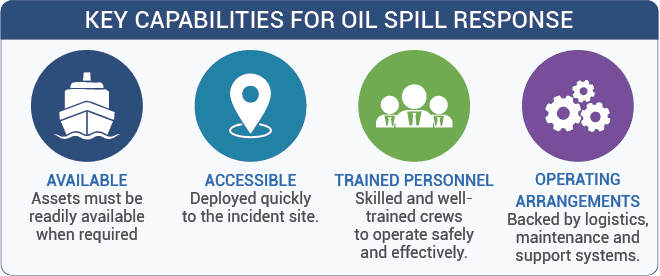
Having vessels and equipment somewhere in the system is not enough. Emergency towing and salvage assets need to be available, accessible and supported by trained personnel and operating arrangements. Moreover, there is a need for clearly defined hierarchies, standard operating procedures and a single-point coordination mechanism. The implication is straightforward: emergency capability has to be arranged as a service, not assembled from scratch after a casualty occurs.
The Contract can become Part of the Emergency
The legal and financial side of casualty response also exists. Salvage, pollution, wreck removal and third-party liabilities do not fall neatly under one insurance arrangement. The experts observe the limited awareness of the triggers between H&M and P&I insurance, uncertainty over responsibility, inadequate pre-approved contractual templates and delays in mobilisation.
They recommend pre-approved emergency response protocols, clearer insurer-engagement triggers, standardised contractual framework and faster access to funds during a casualty. It also discusses established mechanisms such as LOF and SCOPIC and argues for greater consistency between legal arrangements and operational requirements.
The point is not simply that contracts should be standardised. It is that contractual uncertainty should not operational obstacle.
Command has to be settled before the Ship Gets into Trouble
Specialists advocate a national salvage authority, coordination cell, or another unified command structure. Also, they are of the view that a clearly designated custodian for maritime emergencies and a unified command model with defined authority and accountability should be present. The need is not for every agency to surrender its statutory role. It is for the system to establish who coordinates the response when several jurisdictions and interests converge on the same casualty. They link this to faster decision-making, more effective mobilisation and better use of available resources.
Preparedness is Also a People Question
Equipment and legislation receive much of the attention in maritime emergencies. However, training has its own place. Experts identify the absence of standardised national training frameworks, regular multi-agency drills and structured knowledge-sharing as gaps. They recommend specialist training, certification programmes, technical expertise and joint exercises. That matters because real casualties rarely resemble a clean exercise.
The response may involve salvage specialists, pollution teams, port personnel, government officials, insurers, ship operators and technical advisers, each working with different priorities. A system that has not practised those interactions will discover its weakness during the casualty itself.
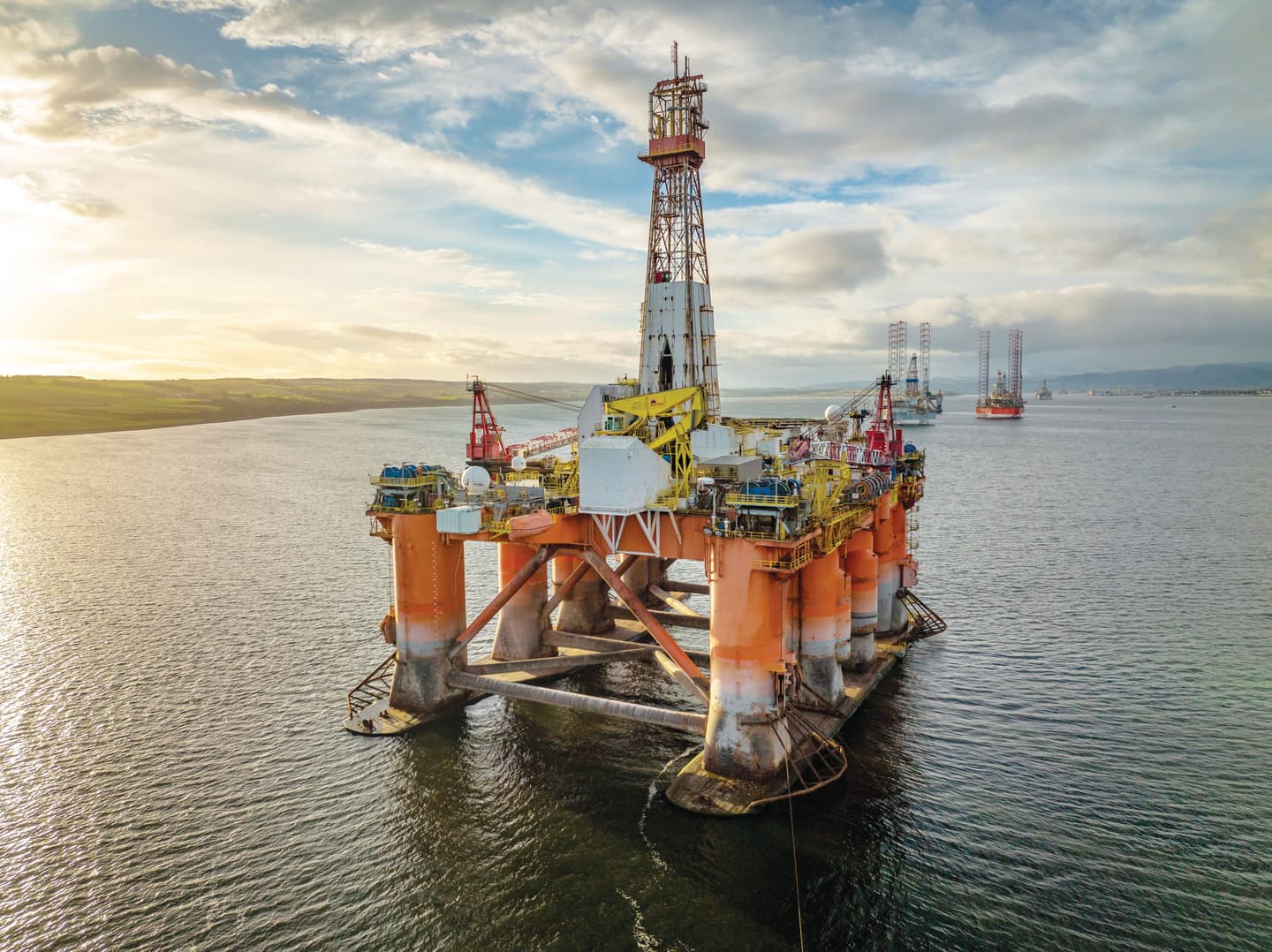
Technology Needs to Sit Inside the Response System
The industry identifies limited integration of predictive analytics, real-time monitoring and incident modelling and call for a centralised maritime emergency platform covering real-time coordination, data sharing and unified decision-making. Experts also propose AI-based risk prediction, satellite monitoring and oil-spill trajectory modelling. This is in addition to a national database of marine casualties and stronger use of technology for real-time decision-making, environmental impact assessment and response planning. The usefulness of such a system will depend on whether information reaches the people directing the response when they need it. A database by itself does not improve preparedness, but a connected operating picture might.
The need is not for every agency to surrender its statutory role. It is for the system to establish who coordinates the response when several jurisdictions and interests converge on the same casualty
The Next Pollution Event may not Look like the Last One
The need for a broader understanding of marine pollution is widely felt. Industry insiders feel that the national oil spill disaster contingency plan to incorporate hazardous and noxious substances, plastics and new cargo types should be drawn. They also call for stronger environmental monitoring and preparedness for different pollution risks. That broadens the challenge considerably.
The response system has to deal with what a casualty is carrying, where the material travels, and what sort of environmental response will be required. Oil remains central to the discussion and is no longer the only concern.
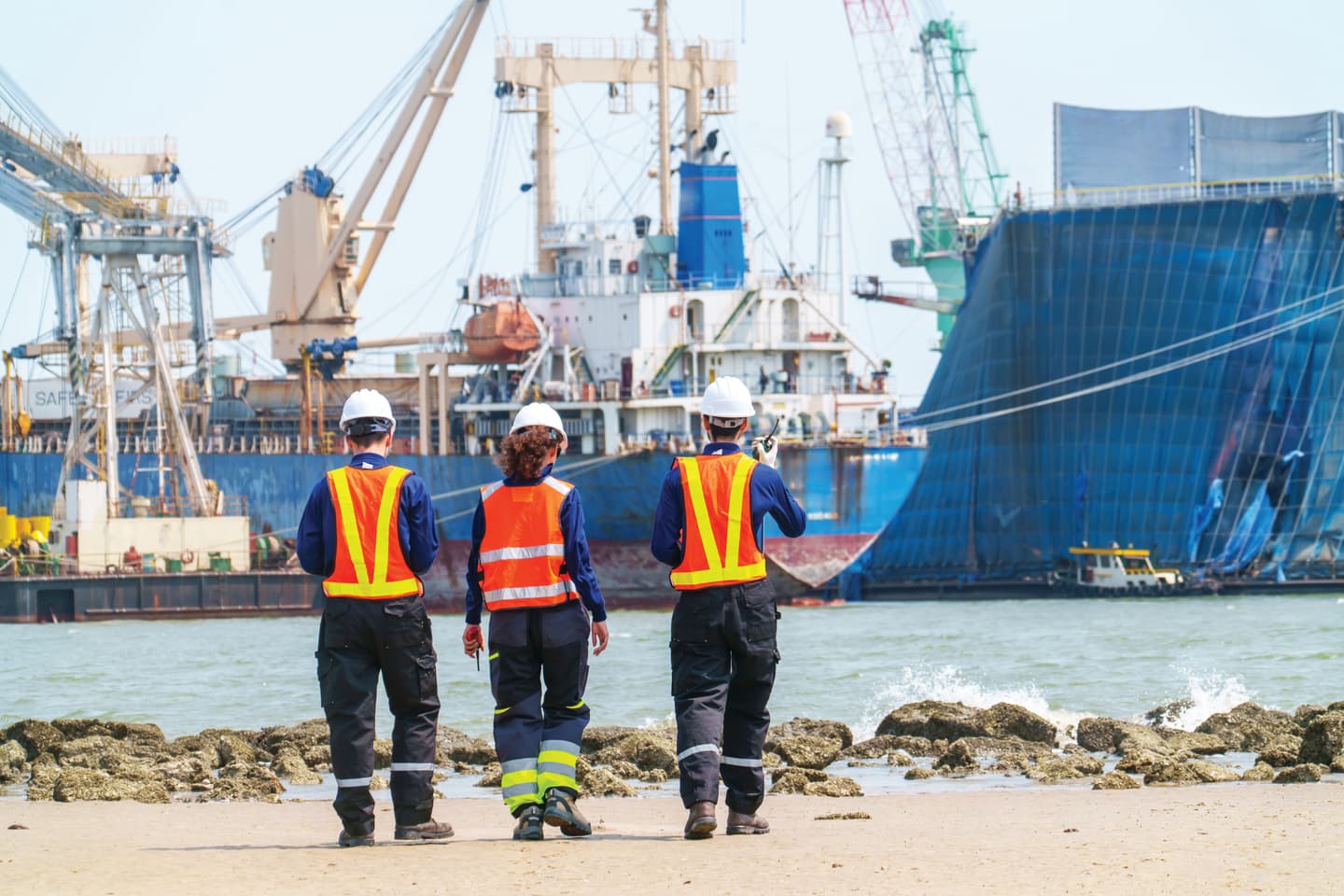
Common marine-emergency response framework, tier-I preparedness at ports and oil-handling facilities, joint command exercise involving countries across the region, shared specialist response assets, information sharing and stronger early-warning arrangements are a must
The Regional Question
Maritime pollution in the Bay of Bengal and the wider Indian Ocean Rim Association (IORA) region is often treated as a shared problem. Experts are of the view that a common marine-emergency response framework, tier-I preparedness at ports and oil-handling facilities, joint command exercise involving countries across the region, shared specialist response assets, information sharing and stronger early-warning arrangements are a must. India has a larger role: a regional anchor for spill response co-ordination, training, exercises and assistance.
India’s maritime emergency system has many of the required ingredients, but preparedness will remain incomplete until those capabilities are brought together through clear authority, dependable salvage capacity, workable financial and contractual arrangements, trained personnel, usable technology and stronger regional cooperation. The question, then, is not whether India can respond to an oil spill. It is whether the entire system can respond together when the casualty comes first, and the spill follows.