Tensions in West Asia are once again testing the resilience of global energy systems, with direct implications for countries dependent on distant supply routes. For India, this challenge is significant but not new. Over the past two decades, and more significantly since 2014, the country has built a layered energy architecture supported by policy reforms and other decisions. These efforts are now helping cushion the current disruptions while supporting a gradual transition towards a more resilient energy system.
Energy Security Returns to Geopolitical Agenda
In geopolitics, energy security has occupied the central stage after a decade of discourse dominated by climate change and renewable energy. Once again, geopolitical tensions, volatile oil and gas markets and fragile supply chains brought spotlights on hydrocarbon’s strategic significance before governments and stakeholders. The intensive focus is on West Asia that intersects with geopolitical rivalries and the world’s most critical energy supply routes.
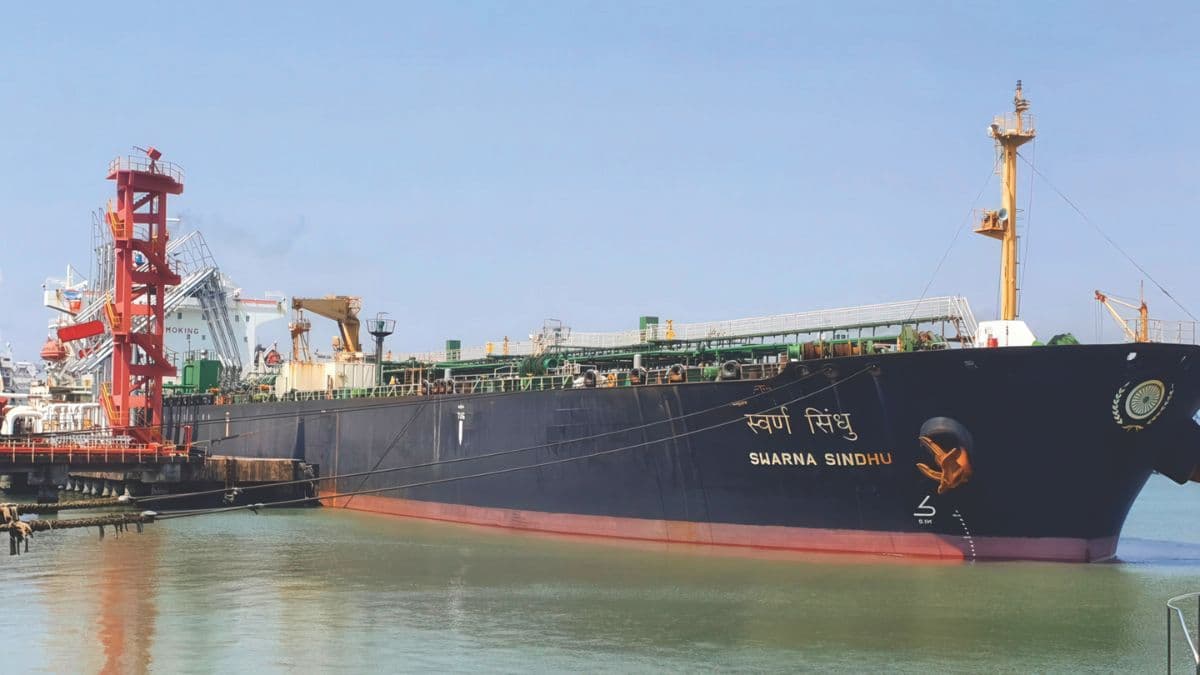
The Strait of Hormuz is a backbone of energy supply chains for India, and it is Very Large Crude Carriers, transporting about two million barrels of oil per voyage, dominates sea trade between West Asia and India.
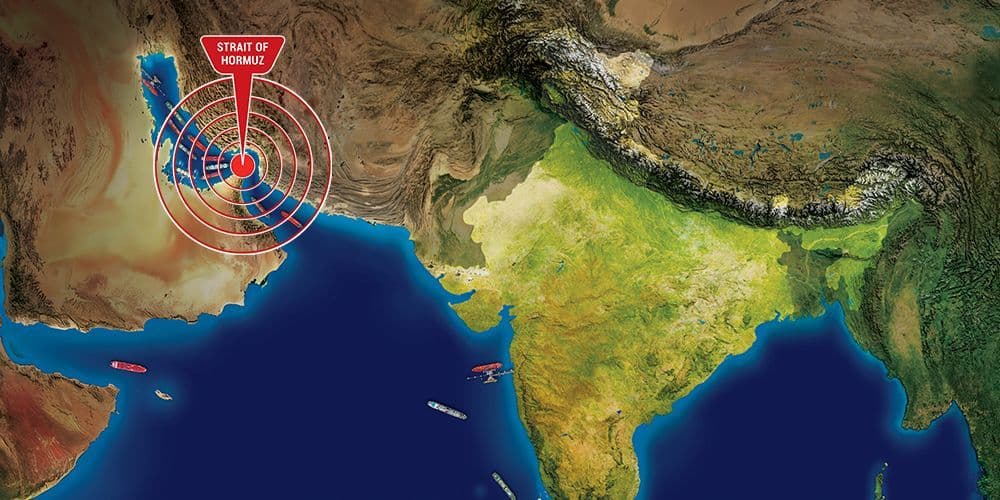
As a single most vital artery of the global oil system is The Strait of Hormuz, which is bounded by Iran in the north and Oman and the UAE in the south. With about 50 km width at its entry and exit and around 33 km width at its narrowest point, the corridor connects the Persian Gulf with the Gulf of Oman and the Arabian Sea. It conducts around 20 percent of global oil trade by handling around 20 million barrels of crude oil and petroleum products daily.
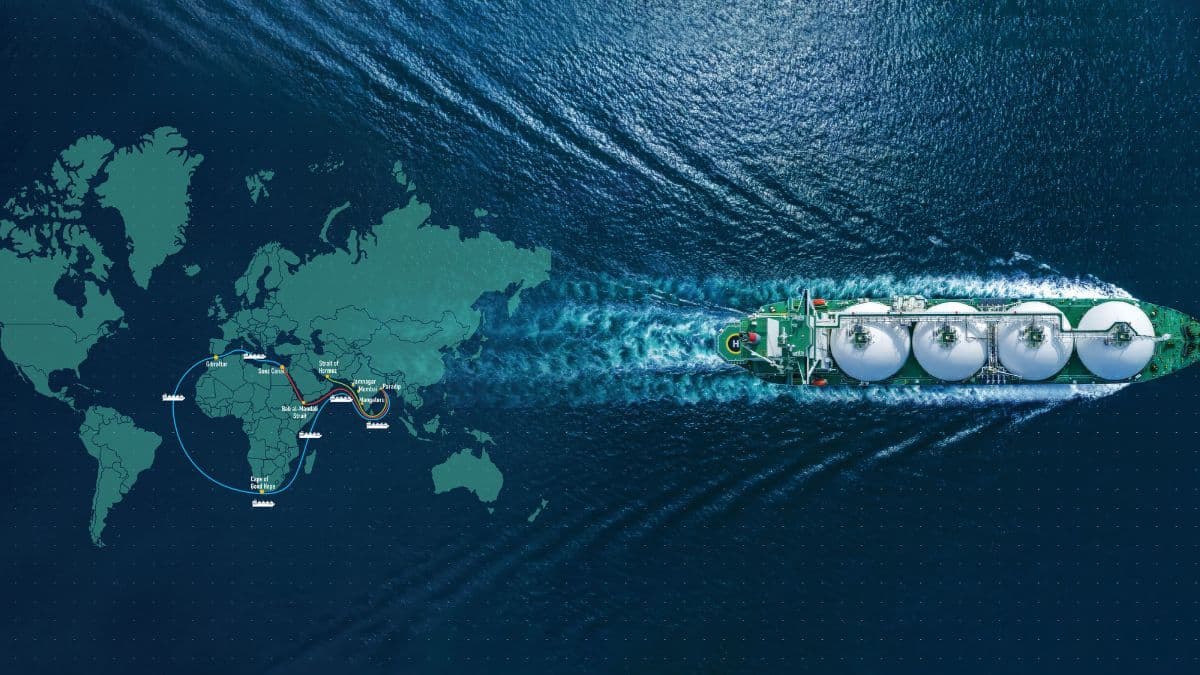
The Strait of Hormuz is a backbone of energy supply chains for India, and it is Very Large Crude Carriers (VLCC), transporting about two million barrels of oil per voyage, dominates sea trade between West Asia and India. The VLCCs can be compelled to take longer routes such as by sailing around the southern tip of Africa at Cape of Good Hope, triggered by disruptions in the chokepoint, raising shipping costs and tightening the supply chain. This is besides the possibility of a surge or even cancellation of their insurance premiums and delays. Moreover, navigating the 32-km Bab al-Mandab Strait, which connects the Red Sea with the Gulf of Aden and the Indian Ocean, is vulnerable due to its proximity to the conflict in Yemen.
Presently, India is the third largest oil consumer in the world. It consumes around 5.6 million barrels per day of oil, as per the Ministry of Petroleum and Natural Gas (MoPNG). The country’s energy demand continues to increase as the economy grows, the transport network expands and industrial activities rise. However, its crude oil production remains limited, requiring it to import around 89 percent of its total crude oil consumption, according to MoPNG’s Petroleum Planning & Analysis Cell. This dependence on imported energy resources makes energy supply chains critical for the country’s economic stability.
Around 35 to 50 percent of India’s crude oil imports are linked to shipments passing through the Strait of Hormuz
Additionally, India’s oil imports constitute one of its largest trade bills. It spends $150 billion per year, according to Union Petroleum and Natural Gas Minister Hardeep Singh Puri. As the prices are shaped by production, insurance, freight, refining and dealer margins, the volatility can adversely affect the country’s macroeconomics. Rising crude prices can drive transportation costs up, exerting inflationary pressures and widening the current account deficit.
Adding another layer to the country’s energy equation is geography. Around 35 to 50 percent of India’s crude oil imports are linked to shipments passing through the Strait of Hormuz before they dock at the country’s major ports such as Jamnagar, Mumbai, Mangaluru and Paradip and refined thereafter to run the economy.
This heavy reliance on global maritime supply chains can have immediate ramifications for India’s energy security, notwithstanding that geopolitical developments are in a distant region.
The Engine of Demand
The scale and growth of its energy demand are increasingly shaping India’s role in the global energy market. The transport sector has the largest share of the country’s oil consumption pie. The freight transport sector that heavily depends on the road networks for moving agricultural produce, manufactured goods and industrial raw materials is fuelled by diesel. Increasing petrol consumption is the presence of about 400 million registered vehicles that ply across India, underscoring a rapid personal mobility and logistics demand growth.
Another major source of oil consumption centre is the petrochemical sector, playing a vital role to manufacture plastics, packaging materials, synthetic fibres and consumer products. The demand for petrochemical feedstocks continues to rise with the expansion of industrial production. As per, the International Energy Agency, India could command more than one-third of global oil demand growth by 2030.
This highlights the country’s growing influence in the global energy market. In light of these realities, the Modi government has invested its bandwidth in gradually redesigning the country’s energy strategy, which stands on several pillars.
Evolving Supply Structure
A diverse group of oil producing regions is a source of India’s crude oil. Owing to geographical proximity, the West Asia suppliers have dominated the country’s crude imports. The countries such as Iraq, Saudi Arabia and the UAE remained among the largest suppliers to domestic refineries. Notwithstanding, India’s crude sourcing options expanded with shifts in global oil markets. In recent years, a significant component of its import basket has been Russian oil after changes in international energy trade patterns. Besides, it has increased oil imports from the US and Africa.
With a diversified crude basket, Indian refineries are able to adjust procurement strategies on the basis of price differentials, freight costs and crude quality. This allows them to respond to fluctuations in global energy market, as they enjoy greater flexibility from sourcing oil from various regions. This re-configured supply chain structure reflects India’s broader transformation in the energy trade.
Building Refining Muscle
India commands an influential position in global petroleum product markets with the world’s fourth largest refining system after the US, China and Russia. It can refine around 258 MMTPA owing to rapid refining capacity expansion over the past two decades to cater to domestic and international fuel markets. Dominating the country’s refining space is large, complex facilities, processing a wide variety of crude oil grades. Major players include Indian Oil Corporation Ltd, Bharat Petroleum Corporation Ltd, Hindustan Petroleum Corporation Ltd, as well as private player Reliance Industries. Notably, Reliance Industry’s Jamnagar refinery is the world’s largest and most complex single-site refinery with 1.4 million barrels per day crude processing capacity.
Apart from meeting domestic demand, India’s refining system produces a substantial export surplus of petroleum products such as diesel, petrol and aviation turbine fuel, which caters to Asian, African and European markets. India frequently exports of over 60 MMT petroleum products annually.
What is more, according to Puri, the country is on a track to reach a refining capacity of around 310 MMTPA by 2030 with a plan for scaling it to 400 to 450 MMTPA. Notably, these developments, as per the union minister, arrives at a time when 20 percent of global refining capacity or 100 refineries face potential closure by 2035, underscoring India’s emergence as a global refining and energy hub.
Creating Strategic Buffers
To cushion disruptions, India simultaneously has been heightening its Strategic Petroleum Reserves (SPR) for providing emergency supplies. In Phase I, the government has set up petroleum storage facilities with a total capacity of 5.33 MMT at Vishakhapatnam in Andhra Pradesh and Mangaluru and Padur in Karnataka.
In the next phase, it has given ‘In Principle’ approval to create two additional SPRs with a total storage capacity of 6.5 MMT at Chandikhol in Odisha and Padur in Karnataka. These facilities are built in underground rock caverns, unlike conventional storage tanks, for long-term storage and protection against environmental and security risks.
This, according to Minister of State for Petroleum and Natural Gas Suresh Gopi, is meant to provide for about 9.5 days of crude oil requirement. Additionally, Oil Marketing Companies’ (OMC) storage facilities for crude oil and petroleum products can support 64.5 days, creating the total national capacity for crude oil and petroleum products storage for 74 days.
Towards Reducing Import Dependence
While the government diversified crude oil import sources and built strategic reserves to manage short-term supply crunch, it was cognisant of the need to find a durable solution to achieve energy security. The government has been focussing on reducing structural dependence on imported fossil fuels and rolled out several policies to expand domestic energy production and developing alternative fuels over the last decade.
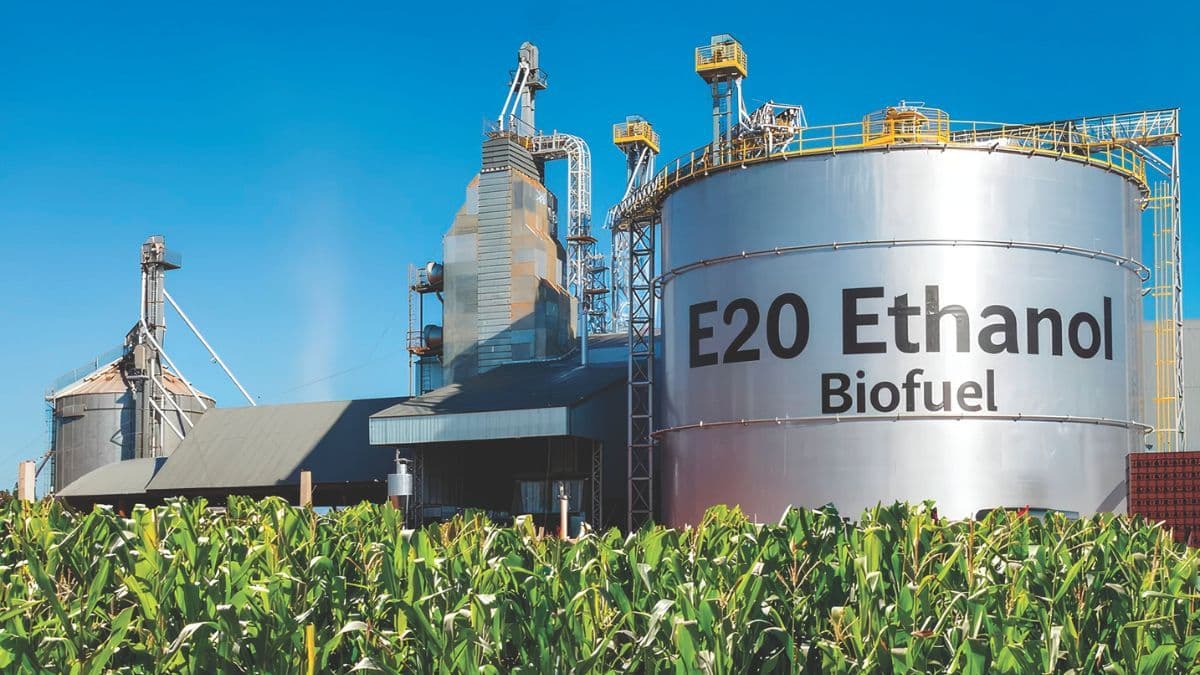
From Ethanol Supply Year (ESY) 2014-15 to October 2025 of ESY 2024-25, India has saved 1.55 lakh crore of foreign exchange and crude oil substitution of 260 lakh metric tonnes by blending ethanol in petrol.
A key initiative to reduce import dependence for energy requirement is the Ethanol Blended Petrol (EBP) Programme. The EPB seeks to substitute a portion of petrol consumption with domestically produced ethanol derived from sugarcane, grain and agricultural residues. Under the programme, the OMCs sell petrol blended with ethanol up to 20 percent.
Over the last 11 years, from Ethanol Supply Year (ESY) 2014-15 to October 2025 of ESY 2024-25, India has saved 1.55 lakh crore of foreign exchange and crude oil substitution of 260 lakh metric tonnes by blending ethanol in petrol, according to the union petroleum and natural gas minister. To stimulate domestic hydrocarbon exploration, the government announced the Hydrocarbon Exploration and Licensing Policy (HELP), leading to the Open Acreage Licensing Policy (OALP). The policy allowed companies to identify areas of interest, including earlier ‘No-Go’ offshore areas, and submit Expressions of Interest (EoI) at any time of the year.
Across nine rounds, 172 exploration blocks covering 3,78,652 sq km have been awarded to successful bidders. In the recently-announced 10th round of bidding, 25 blocks covering around 1,91,986.21 sq km are on offer for bidding to investors. Notably, 16 blocks, comprising 97,919.6 sq km or 51 percent, are in ‘No-Go’ zones.
As a part of a broader energy security strategy, the government approved the National Green Hydrogen Mission (NGHM) for positioning the country as the world’s leading producer of hydrogen derived from renewable energy. The NGHM aims to produce an annual 5 MMT of green hydrogen by 2030.
Rewiring Energy System
The structure of India’s energy system is being reshaped by the expansion of renewable energy, which is increasing the share of domestically-generated electricity in overall energy consumption.
India achieved the milestone of 50 percent of its cumulative electric power installed capacity from non-fossil fuel sources in June 2025, five years ahead of the 2030 target set under its Nationally Determined Contribution (NDC) to the Paris Agreement. The total non-fossil power installed capacity has reached 262.74 GW in November, 2025, which is 51.5 percent of the total installed electricity capacity in the country (509.64 GW).
As a pipeline of 232.98 GW of renewable capacity is being implemented and tendered, India’s energy transition scale is expected to expand substantially.
Solar power, which emerged as the major growth driver of this progress, reached 132.85 GW installed capacity in November, 2025, and wind energy installed capacity reached 53.99 GW in November 2025. As a pipeline of 232.98 GW of renewable capacity is being implemented and tendered, the country’s energy transition scale is expected to expand substantially in the future.
Managing Supply in Real Time
Conventional fuels such as Liquefied Petroleum Gas (LPG) continue to play a critical role in the country’s energy consumption, particularly in households and commercial establishments. Recent developments in West Asia prompted the government to step up monitoring of LPG supply chains through coordinated enforcement and distribution measures.
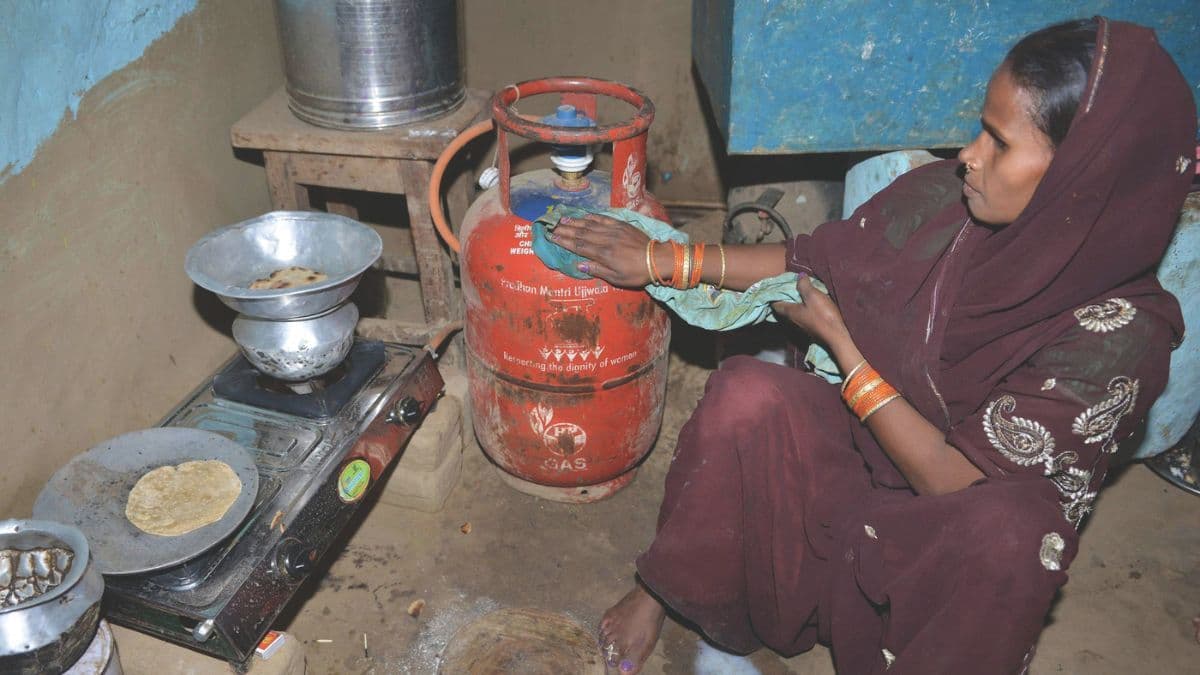
As part of these measures, the government conducted over 1 lakh raids, seized more than 52,000 cylinders, lodged 850 FIRs and made about 220 arrests to curb hoarding and diversion. While overall supplies remained stable with no reported nationwide shortages, some segments such as commercial establishments reported tighter availability, reflecting distribution pressures during periods of heightened demand and supply uncertainty.
The episode underscores the significance of maintaining robust supply systems even as India accelerates the transition towards electricity, piped gas and other cleaner energy sources. India’s response to evolving energy risks reflects more than short-term adjustment, as it signals the outcome of a system built over time.
From diversifying supply and expanding refining to strengthening buffers and policy frameworks, these layers are now being tested under real conditions. While vulnerabilities remain, the ability to manage disruptions alongside advancing transition efforts highlights a strategy that balances immediate energy security with the demands of a changing energy landscape.