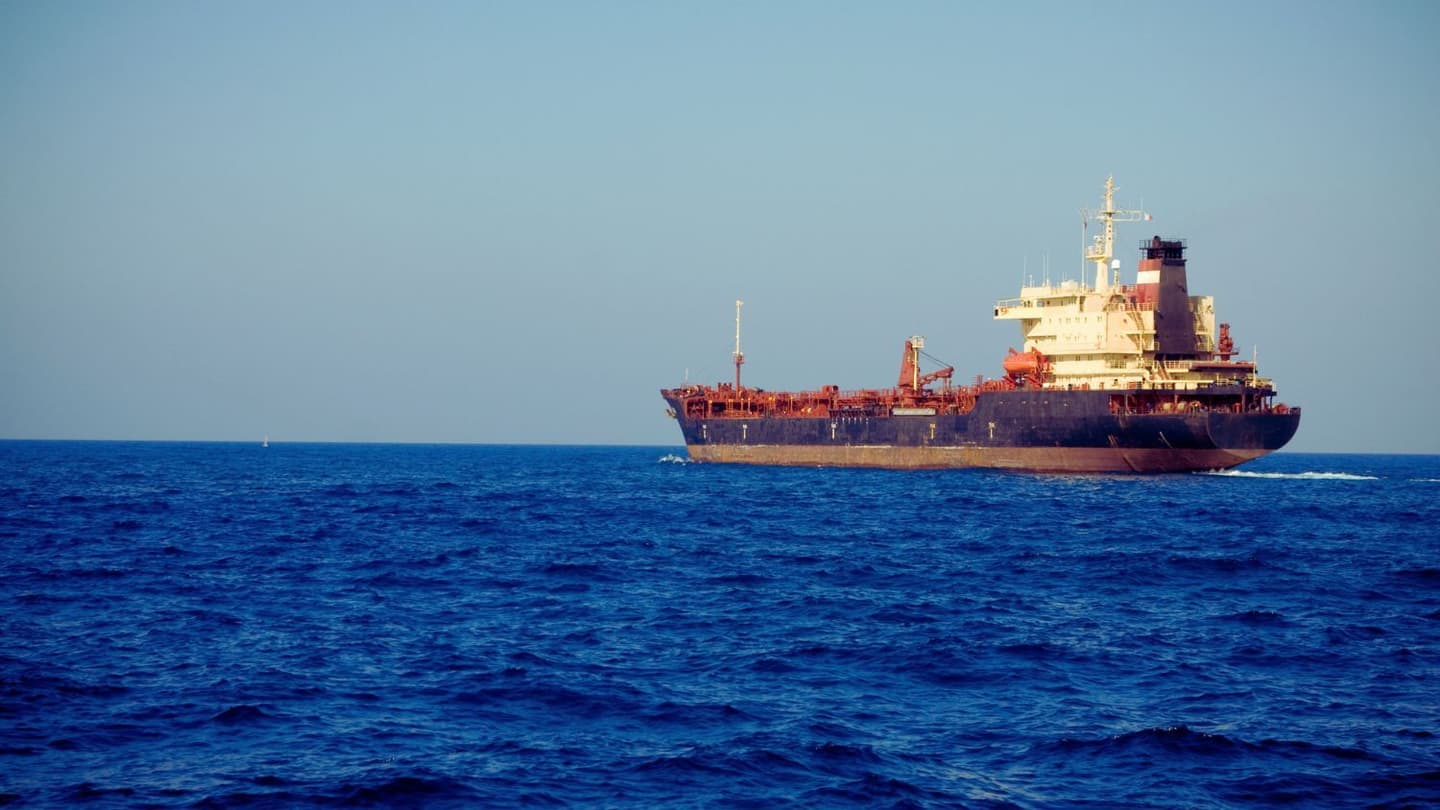
The United States is considering a limited and temporary easing of sanctions on Iranian oil already stranded at sea as it seeks to stabilise global energy markets disrupted by the ongoing conflict in West Asia. The proposal, outlined by US Treasury Secretary Scott Bessent, would allow the sale of an estimated 140 million barrels of Iranian crude currently held in tankers that cannot be sold under existing sanctions.
The move comes amid a sharp rise in oil prices driven by geopolitical tensions, including disruptions to shipping routes and heightened risks around critical transit chokepoints such as the Strait of Hormuz. By allowing these “on-the-water” barrels to enter the market, Washington aims to inject additional supply and ease immediate price pressures.
However, the measure is tactical in nature and does not represent a broader rollback of sanctions on Iran’s oil sector. The volume under consideration provides only a short-term supply buffer, equivalent to roughly 10–14 days of global demand. While some of this crude could reach refineries within days of approval, its full integration into global supply chains is expected to take several weeks, limiting its long-term impact.
The move nonetheless signals a shift in approach, with the US prioritising market stability amid rising inflationary risks and energy security concerns linked to the conflict.
For India, the development could offer limited near-term relief. Additional supply in global markets may help moderate crude prices, easing pressure on the country’s import bill and inflation. However, given the temporary and constrained nature of the proposal, the immediate benefit is likely to be indirect, with little scope for a meaningful resumption of direct Iranian oil imports.
The development underscores the continued vulnerability of energy-importing economies to geopolitical disruptions and reinforces the need for diversification, stronger domestic capacity, and more resilient energy systems.