Data from Petroleum Planning & Analysis Cell (PPAC), Central Electricity Authority (CEA), and Ministry of New and Renewable Energy (MNRE) spanning March–April 2026 and compiled by ENERGDIVE reveals that while India is navigating increased crude oil prices amid the West Asia crisis, it has remained focused on the broader objective of attaining energy transition.
Oil & Gas
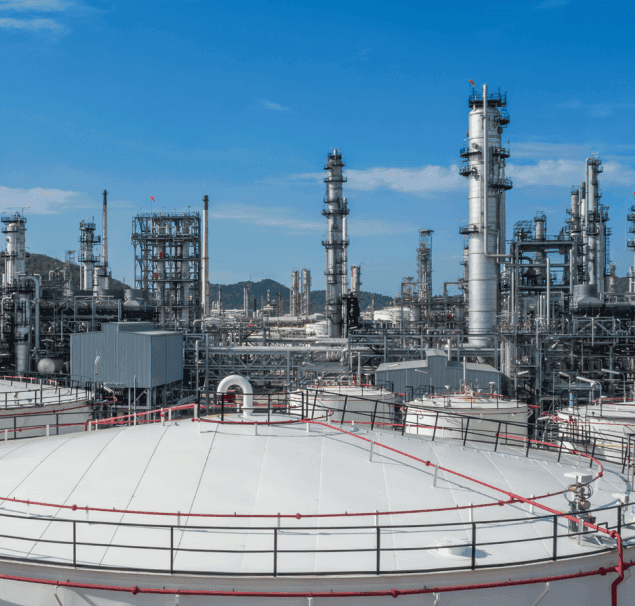
In March 2026, India remains heavily reliant on imported oil as it purchased around 21.9 MMT from the overseas market. This is around ten times the domestic crude oil production, which stood at 2.33 MT, highlighting a structural dependence on external sources to meet the nation’s energy needs. However, the country refined about 23.5 MMT of crude oil, showing strong refining activity to cater to domestic demand as well as the export market with 4.47 MMT during the month. In the gas segment, India produced 2,838 MMSCM of natural gas and imported a similar quantity (2,888 MMSCM) of Liquefied Natural Gas (LNG), revealing its dependence in the segment as well. Besides, crude at $114.25 a barrel in April 2026 shows a spike in prices, which can potentially affect the Indian economy.
Power & Utilities
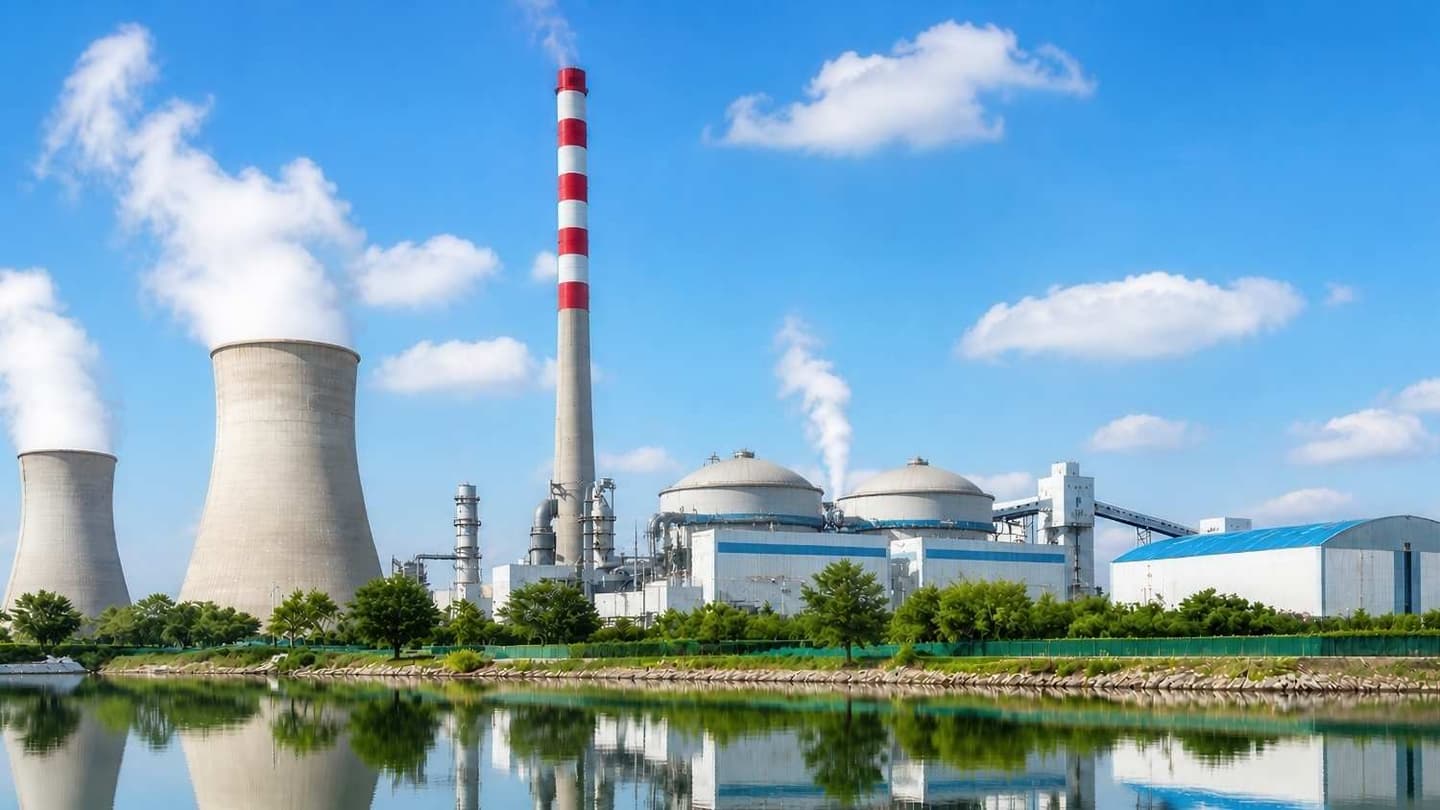
In March 2026, the country’s power sector showed that it was almost able to meet the peak demand of 2,38,403 MW, which signalled that although the grid is tightly balanced, it is stable. Thermal power continued to drive the electricity generation, with renewable energy playing a secondary role. In the renewable energy segment, solar dominated capacity addition with 6,656.35 MW, followed by wind with 962.34 MW. On the utility front, smart metering progressed gradually, which suggests that distribution reforms are evolving gradually.
Overall, the data speaks that as India is striving to achieve its long-term ambition of energy transition with a sustained renewable capacity addition and distribution reforms, it is heavily depended on imported oil and gas, which has increased significantly since the conflict broke out in West Asia on February 28.