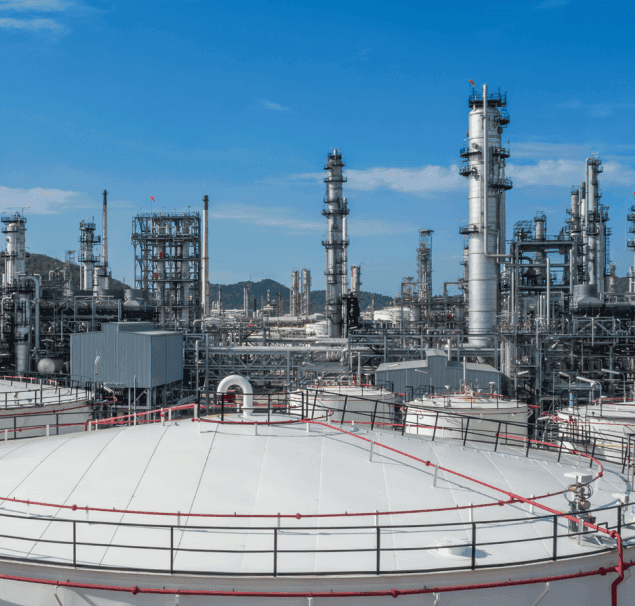
More than 40 energy assets across nine countries in West Asia have been “severely or very severely” damaged amid the ongoing conflict, the International Energy Agency (IEA) has said, warning that disruptions to global energy supply chains could persist even after hostilities ease.
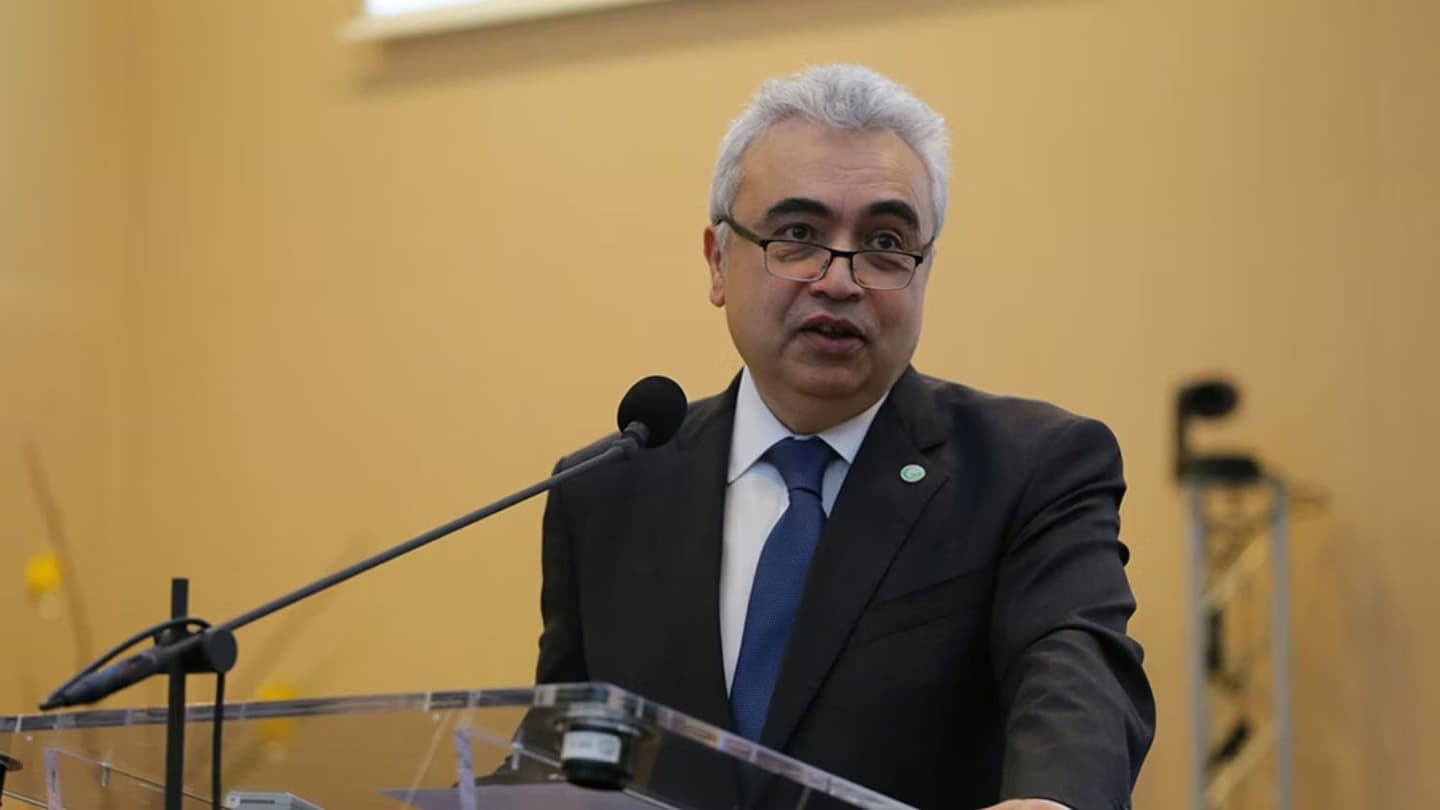
IEA Executive Director Fatih Birol said it would take time for affected oil fields, refineries and pipelines to return to normal operations, adding that over three weeks of fighting have disrupted the energy supply chain.
He said shipping through the Strait of Hormuz, a key global energy corridor, has been significantly disrupted, affecting the movement of crude oil and other fuels.
Birol said the scale of the disruption is comparable to past global energy crises, including the oil shocks of the 1970s and the 2022 natural gas crisis.
The agency also flagged that the impact extends beyond oil and gas, with disruption to critical trade routes affecting broader global supply chains.
Birol said Asian economies are particularly exposed due to their dependence on energy imports from the region.
He cautioned against export restrictions, noting that such measures could further strain already disrupted supply chains.
The IEA said its member countries have agreed to release 400 million barrels of oil from emergency reserves to help ease supply pressures, and may consider further releases if disruptions continue.
Reopening the Strait of Hormuz remains critical to restoring global energy flows, Birol said. The waterway typically carries around 20 million barrels of oil per day, and disruptions since early March have pushed up shipping costs and oil prices.
The conflict, which began in late February, has continued to affect energy infrastructure and trade routes across the region.