Global oil prices fell sharply before recovering on Monday after US President Donald Trump signalled a pause on potential strikes against Iranian energy infrastructure, easing immediate concerns over supply disruptions.
Brent crude, which had earlier surged to around $113 per barrel, dropped to nearly $96 following the remarks, before rebounding to trade above $100 per barrel as uncertainty over the conflict continued.
The price movement reflected a temporary easing of geopolitical risk, even as concerns over disruptions to energy flows through the Strait of Hormuz persisted.
The shift in sentiment also lifted global equity markets. In Europe, Germany’s DAX index rose about 1.2 percent, while France’s CAC 40 gained around 0.9 per cent. The UK’s FTSE 100, which had declined more than 2 percent earlier in the day, ended broadly flat.
US markets also closed higher, with the S&P 500 rising over 1.1 per cent and the Dow Jones Industrial Average up nearly 1.4 percent.
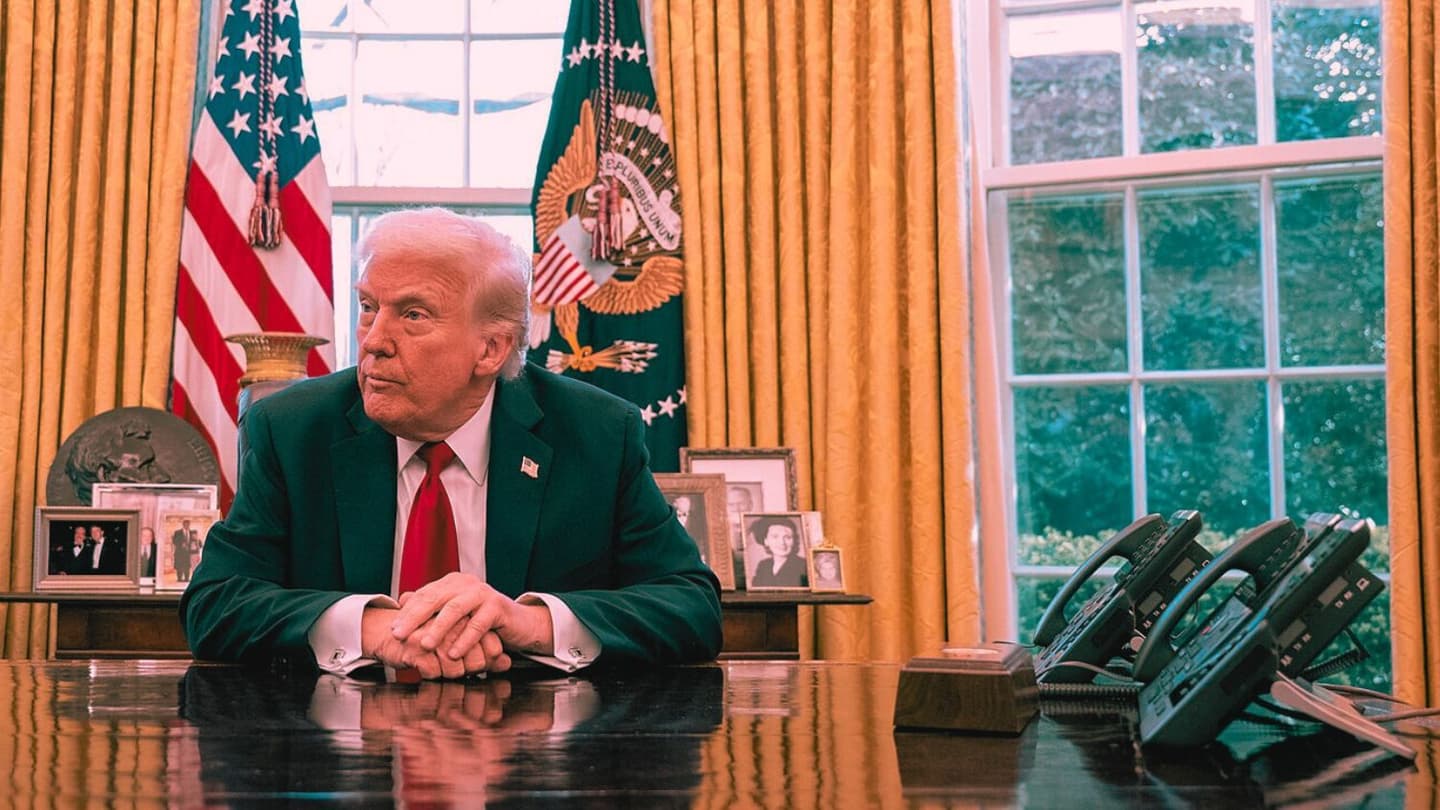
The rebound followed remarks from Trump indicating a pause in military action and referring to discussions on resolving the conflict, although Iranian authorities denied that such talks had taken place.
Markets had been under pressure over the weekend amid fears of escalation that could disrupt global energy supplies, particularly through the Strait of Hormuz.
Asian markets, which closed before the latest developments, had recorded sharp losses earlier in the day. Japan’s Nikkei 225 fell 3.5 percent, while South Korea’s Kospi declined 6.5 percent, reflecting the region’s reliance on energy imports routed through the strait.
The Strait of Hormuz, one of the world’s most critical energy corridors, typically carries around 20 per cent of global oil and liquefied natural gas flows. Disruptions in the region since late February have increased volatility in energy markets and pushed up shipping costs.