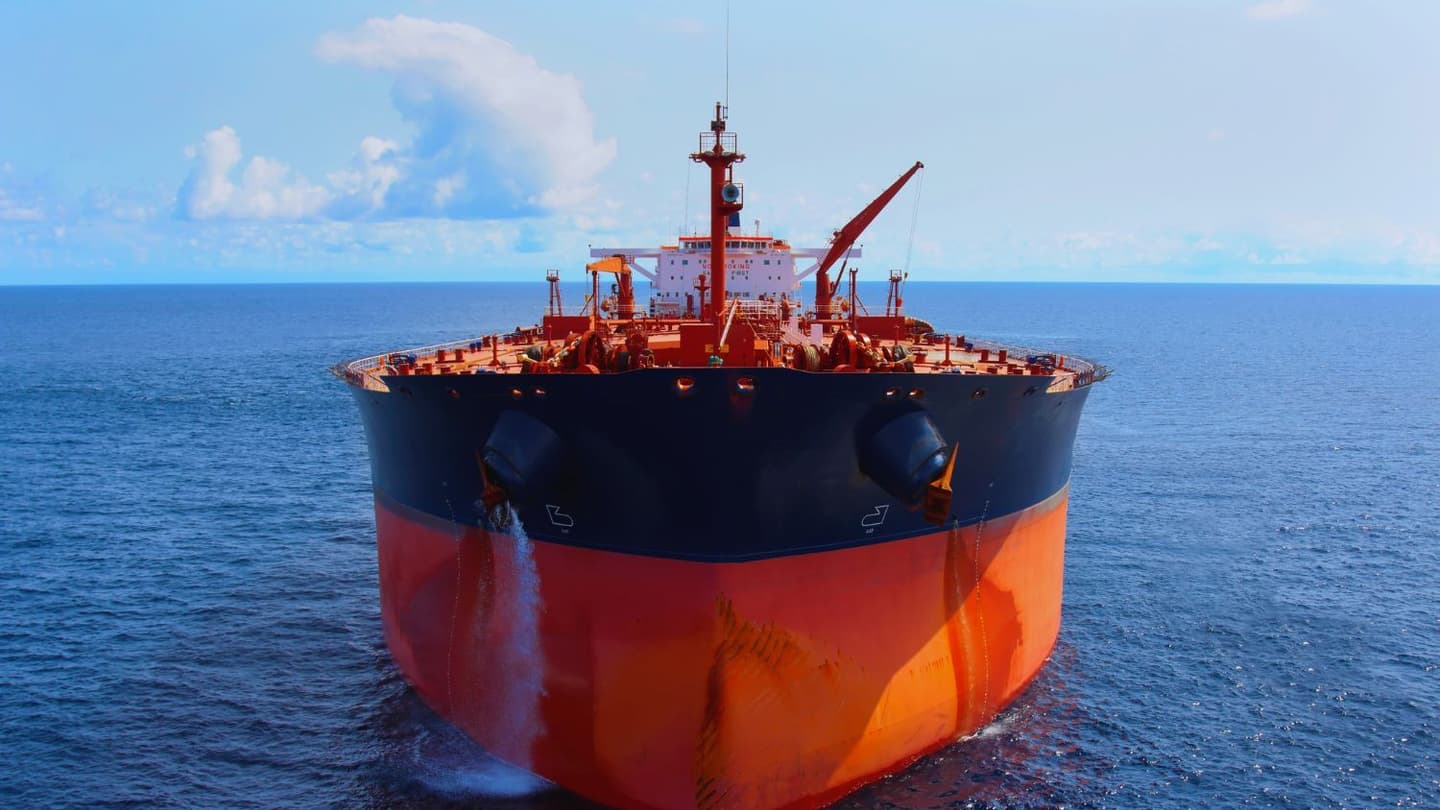
India’s energy strategy is shifting rapidly as the widening conflict in the Middle East disrupts one of the world’s most important oil routes. As shipping through the Strait of Hormuz becomes uncertain, New Delhi has ramped up Russian crude purchases to secure its energy supplies.
Shipments of crude oil from traditional suppliers in the Gulf region have been delayed, prompting India to seek alternative sources to meet its massive demand and ensure stability in domestic fuel markets. India, the world’s third-largest crude oil importer, relies heavily on overseas supplies to meet its energy needs.
The shift in buying behaviour also follows a 30-day waiver granted by the United States allowing India to continue procuring Russian crude despite sanctions, in order to cushion global energy markets from supply disruptions triggered by the Middle East conflict.
India consumes about 5.8 million barrels of crude oil per day, with nearly 88 percent of its requirement met through imports. Much of this supply traditionally comes from Middle Eastern producers such as Saudi Arabia, Iraq and the United Arab Emirates, with cargoes transiting the Strait of Hormuz.
The Strait of Hormuz normally carries a significant share of India’s energy imports. Roughly 2.5 to 2.7 million barrels of crude oil per day bound for India typically transit through the chokepoint.
The route also handles around 55 percent of India’s cooking gas imports and nearly 30 per cent of liquefied natural gas shipments, both crucial for electricity generation, fertiliser production and household consumption.
PTI quoted Sumit Ritolia, analyst at Kpler as saying: “India was expected to import around 2.6 million barrels per day of crude via the Strait of Hormuz in March. At the same time, we are seeing a notable pickup in Russian barrels.
“Based on vessel tracking and credible market sources, incremental Russian crude imports in March could reach 1–1.2 million barrels per day over February volumes, which means the effective shortfall from Hormuz exposure narrows to around 1.6 million barrels per day,” he added.
While crude oil supplies can be partially managed through diversification, analysts warn that liquefied petroleum gas (LPG) may prove harder to replace if disruptions in the Gulf persist.
India consumes roughly 900,000 to 1 million barrels of LPG per day, but domestic production meets only 40–45 per cent of demand. The remaining 55–60 percent must be imported, with most shipments routed through the Strait of Hormuz.
According to Ritolia, nearly 80–90 percent of India’s LPG imports originate in the Middle East, making the supply chain particularly vulnerable to regional instability.
The evolving situation has once again highlighted India’s vulnerability to geopolitical disruptions along key energy routes. In recent years, New Delhi has sought to diversify crude procurement by increasing purchases from suppliers such as Russia and the United States while expanding refining capacity and strategic reserves to cushion domestic markets against global supply shocks.