India’s total primary energy supply (TPES) grew by 2.95 percent in FY 2024-25 to 9,32,816 kilo tonnes of oil equivalent (KToE), indicating growth in demand, according to ‘Energy Statistics India 2026’, released by the National Statistical Office under the Ministry of Statistics and Programme Implementation.
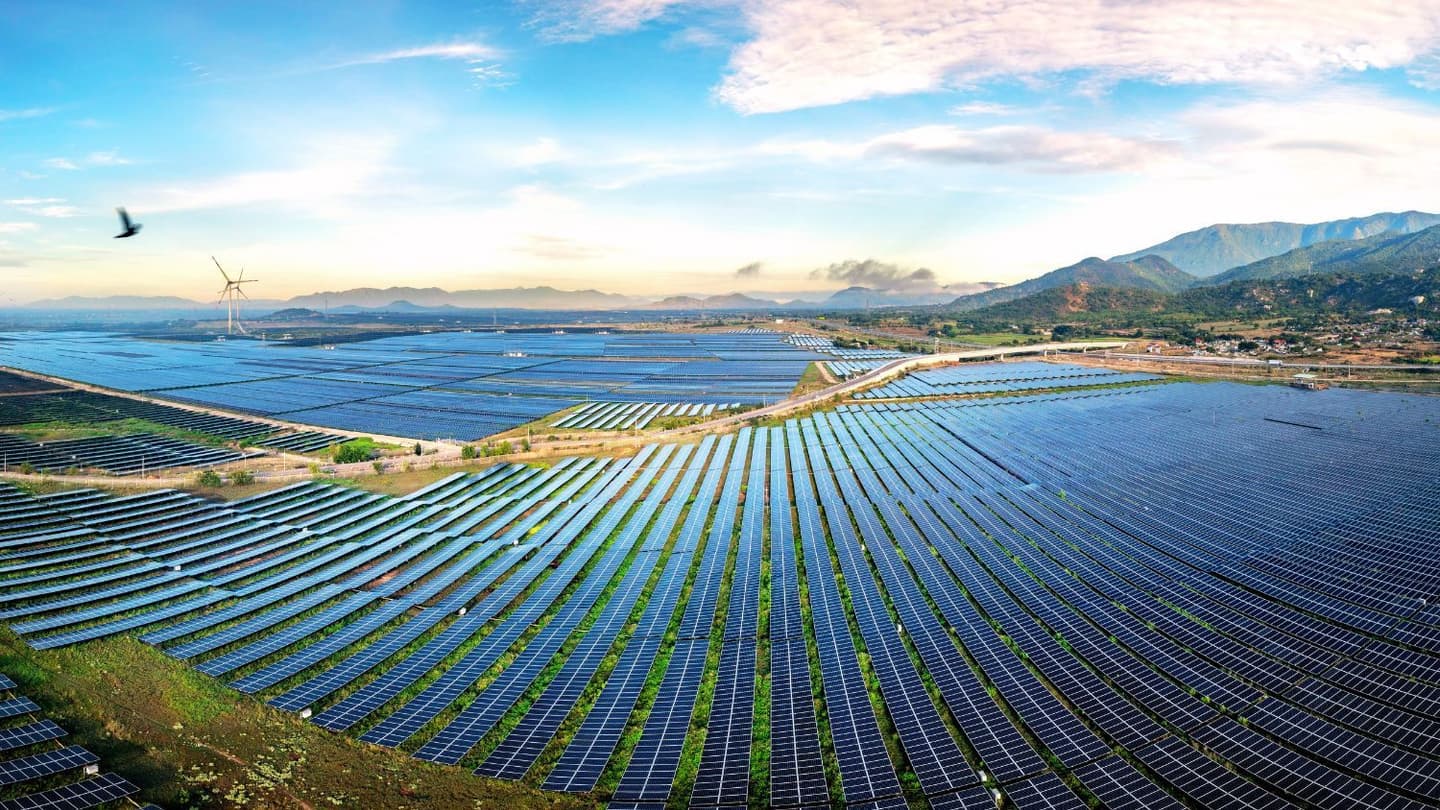
The report said renewable energy potential reached 47,04,043 MW as of March 31, 2025, with solar accounting for nearly 71 percent of the total, followed by wind and large hydro. Over 70 percent of this potential is concentrated in Rajasthan, Maharashtra, Gujarat, Andhra Pradesh, Karnataka and Madhya Pradesh.
Installed renewable energy capacity increased from 90,134 MW in 2016 to 2,29,346 MW in 2025, while electricity generation from renewable sources rose from 1,89,314 GWh in FY16 to 4,16,823 GWh in FY25, reflecting growth in renewable generation.
Coal remained the dominant energy source, with supply rising from 3,87,761 KToE in FY16 to 5,52,315 KToE in FY25, even as crude oil and natural gas also recorded growth. The report noted a rise in per capita energy consumption from 15,296 megajoules in FY16 to 18,096 megajoules in FY25, alongside a more than 30 per cent increase in total final consumption (TFC) to 6,08,578 KToE.
At the same time, transmission and distribution losses declined from around 22 percent to 17 percent, indicating efficiency improvements. Credit flow to the energy sector also increased sharply, from ₹1,688 crore in 2021 to ₹10,325 crore in 2025, pointing to higher investment in the sector.