Energy investment in India has grown 11 percent annually on average in the past five years and is set to reach $170 billion in 2026, International Energy Agency (IEA) has said. In this period, investment in solar PV grew annually by 25 percent, and oil refining by 23 percent. Together, these two sectors contributed to one-fourth of India’s energy investment growth, it added.
“This rise in oil refining investments has put India on track for a nearly 15 percent increase in refining capacity by 2030. While the country is a net exporter of refined products, it imports a vast majority of its crude oil needs. Since upstream oil spending has shrunk by an average of 7 percent annually since 2020, the government recently introduced a new licensing system to attract investment,” IEA said.
The IEA stated that Coal remains the bedrock of India’s power generation and industrial energy needs. Demand is met largely by domestic mining. Investment in coal supply has been growing steadily and is set to reach $13 billion in 2026 to attain the government target of 1.5 billion tonnes of production by 2030, up from 1 billion tonnes today.
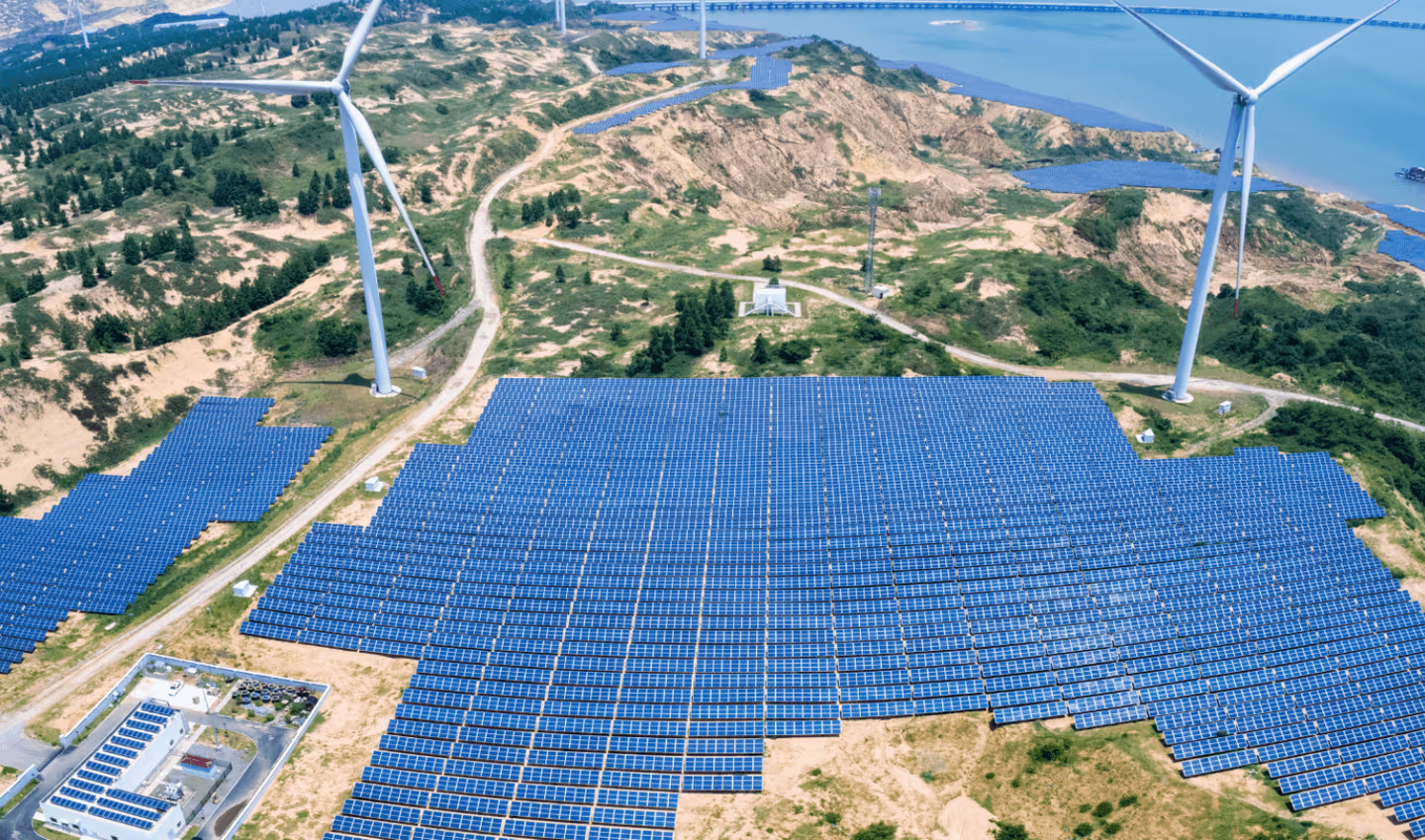
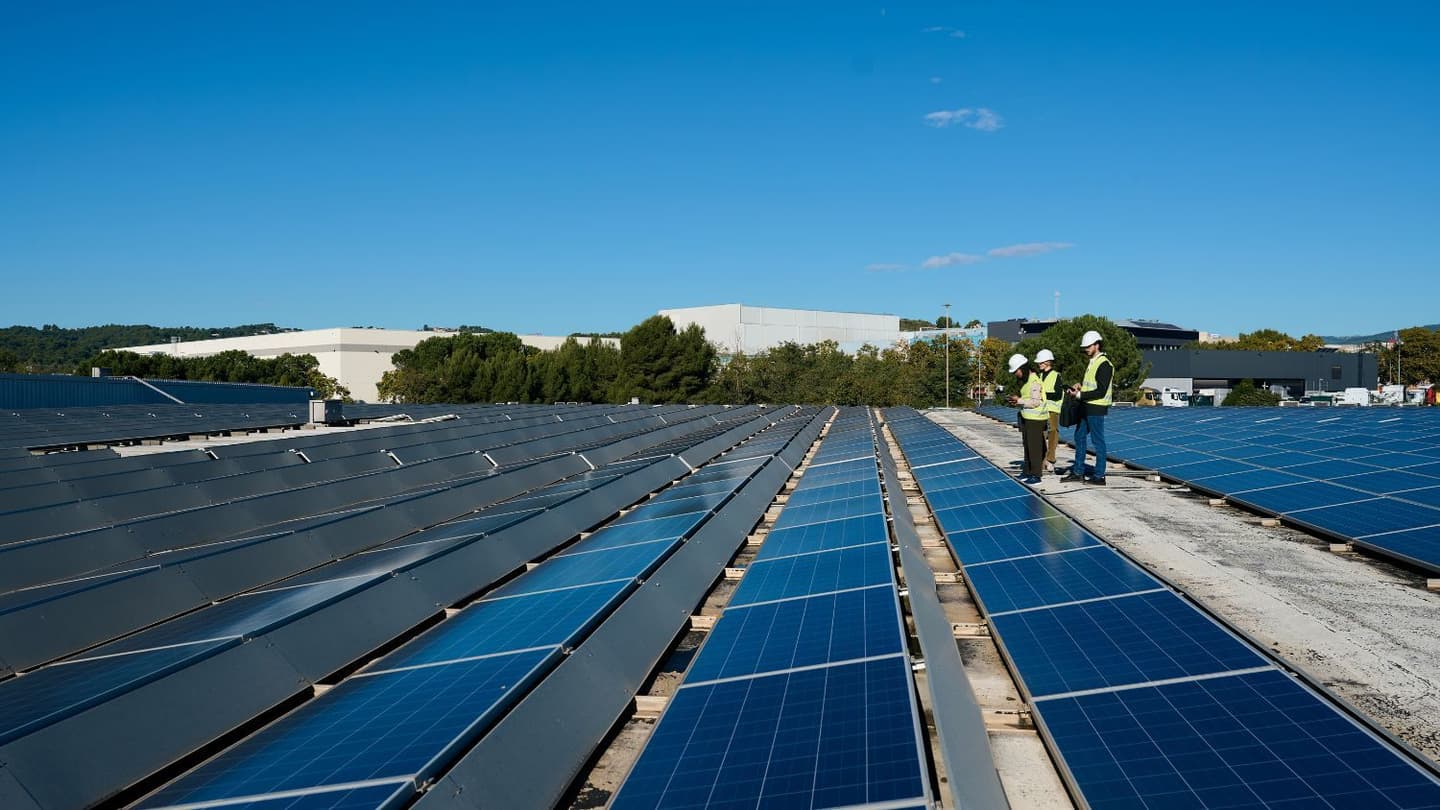
It also observed power sector investment accounts for around half of India’s total energy sector spending. In 2025, the country marked a significant milestone with achievement of its Nationally Determined Contribution (NDC) goal of 50 percent power generation capacity from non-fossil sources. It reached this target five years early owing to an upswing in solar PV investment ($20 billion in 2025).
“Conversely, coal-fired power generation investments have fallen to 40% of the 2010 peak. Today, for every dollar invested in fossil-based generation, India invests three in renewables and nuclear, up from 1.5 just five years ago.”
The IEA’s statement underscores India’s energy strategy that runs on dual track with accelerating the deployment of renewable energy and simultaneously expanding refining and coal infrastructure to meet the country’s growing energy demand.