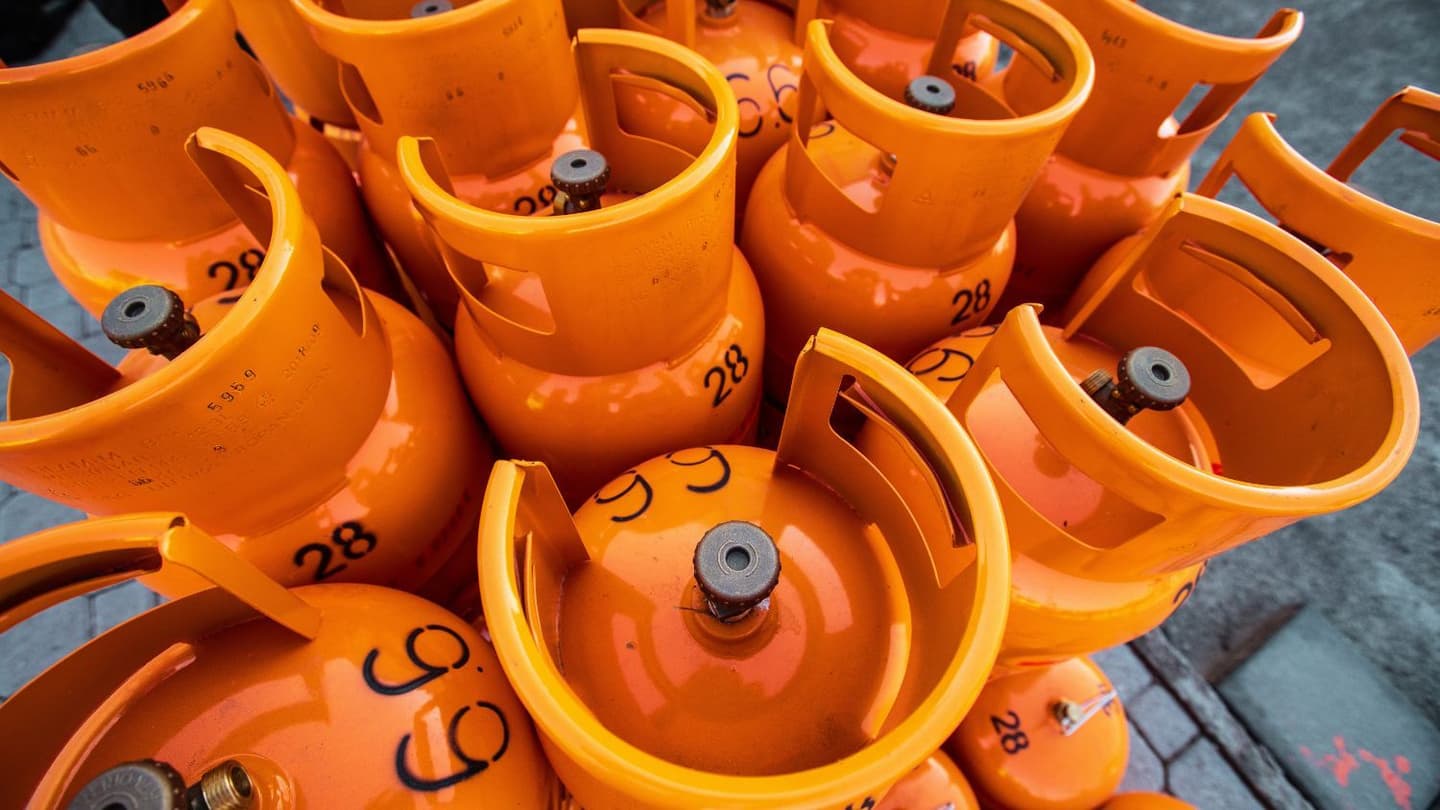
India’s oil marketing companies are facing "significant” losses, largely owing to cooking fuels. Despite a Rs 60 per cylinder price increase on domestic Liquefied Petroleum Gas (LPG), these companies are incurring a loss of Rs 380 per cylinder, leading to cumulative losses of Rs 40,500 crore by May 2026, according to Institute of Energy Economics and Financial Analysis (IEEFA).
“The West Asia crisis and the resulting rise in the prices of LPG have exposed the vulnerabilities of India’s cooking fuel system, with thousands of households with existing Piped Natural Gas (PNG) connections surrendering their LPG connections. However, shifting from LPG to PNG does little to reduce India’s exposure to import dependence, price volatility, or energy security risks, as both remain imported fossil fuels. A more resilient approach would require a diversified multi-fuel strategy,” IEEFA says.
However, it highlights that electricity-based cooking (e-cooking) is already more affordable for urban households than both LPG and PNG. Even with subsidies, e-cooking is roughly 25 percent cheaper than LPG, while PNG-based cooking is around 14 percent more expensive and could become costlier.
“While e-cooking is a promising solution for urban areas, rural India requires complementary alternatives such as concentrated solar cooking and biogas cookstoves for community kitchens. Biogas, in particular, offers a dual benefit by reducing import dependence while helping manage agricultural waste,” it adds.
The upfront cost of induction cooktops, biogas installations, and solar cooking systems are a barrier to adoption. However, LPG connections once faced similar affordability challenges before government subsidies. The government should set explicit targets for multi-fuel clean cooking adoption by 2030, backed by a technology-specific roadmap, IEEFA also states.