As countries and industries increasingly seek certified low-carbon fuels, India appears to be positioning itself as a potential supplier of tradeable green molecules
The government’s notification for the green ammonia and green methanol standards is a move to extend the green hydrogen regulatory framework to these two derivatives, which has rolled out emissions-based standards, potentially shaping India’s ambitions in the emerging global market for low-carbon fuels.
Issued by the Ministry of New and Renewable Energy (MNRE), the standards provide long-awaited clarity as it outlines the emission thresholds and eligibility conditions that must be complied with for ammonia and methanol produced to be classified as ‘Green’, which entails produced using green hydrogen derived from renewable sources.
The significance of the notification is not limited to environmental compliance. As countries and industries increasingly seek certified low-carbon fuels, India appears to be positioning itself as a potential supplier of tradeable green molecules rather than only a domestic hydrogen producer.
The Defining Standards for Green Fuel Thresholds
The notification establishes lifecycle emissions ceilings for both fuels.
The standard for green ammonia will have a total non biogenic greenhouse gas emission, arising from green hydrogen production, ammonia synthesis, purification, compression and on-site storage. For green methanol standard, there will be a total non-biogenic greenhouse gas emission, arising from green hydrogen production, methanol synthesis, purification and on-site storage. The standards are to be calculated as an average over the preceding 12-month period.
For green methanol production, the government has allowed carbon dioxide sourcing from biogenic sources, Direct Air Capture (DAC), and existing industrial sources. The notification also clarifies that renewable electricity stored in energy storage systems or banked with the grid can qualify for green fuel production.
Furthermore, the notification provides that carbon dioxide for green methanol production may be sourced biogenic sources, Direct Air Capture (DAC) or existing industrial sources. The Ministry may revise the eligible sources of carbon dioxide from time to time, with such revisions applying prospectively along with appropriate grandfathering provisions.
Why the Move Matters
The global hydrogen and green fuel markets are moving towards certification-led trade systems, which makes a compelling case for India to formulate standards. What is more, major importing regions and nations such as the European Union and Japan are in the process of developing hydrogen and hydrogen derivatives carbon-accounting frameworks and over time industries such as fertilisers, refining and shipping are likely to demand certified low-emissions fuels. If India does not have measurable standards and verification systems, it may find it immensely challenging to access markets.
The notifications of the green ammonia and green methanol standards, the Ministry of New and Renewable Energy has said, bring clarity to industry, investors and other stakeholders engaged in the development of green hydrogen derivatives. The standards will facilitate decarbonisation of sectors such as fertilisers, shipping, power, and heavy industry, while strengthening India’s position as a reliable producer and exporter of green fuels. Indian green hydrogen developers are targeting export markets for green ammonia and green methanol. By bringing out the notification, India strengthens its regulatory framework for green hydrogen and its derivatives under the National Green Hydrogen Mission (NGHM).
As the government has decided to permit multiple carbon sourcing pathways for green methanol, it suggests it is making an effort to balance emissions integrity with commercial scalability in the early development phase of the market
Green Ammonia: The Main Export Vehicle
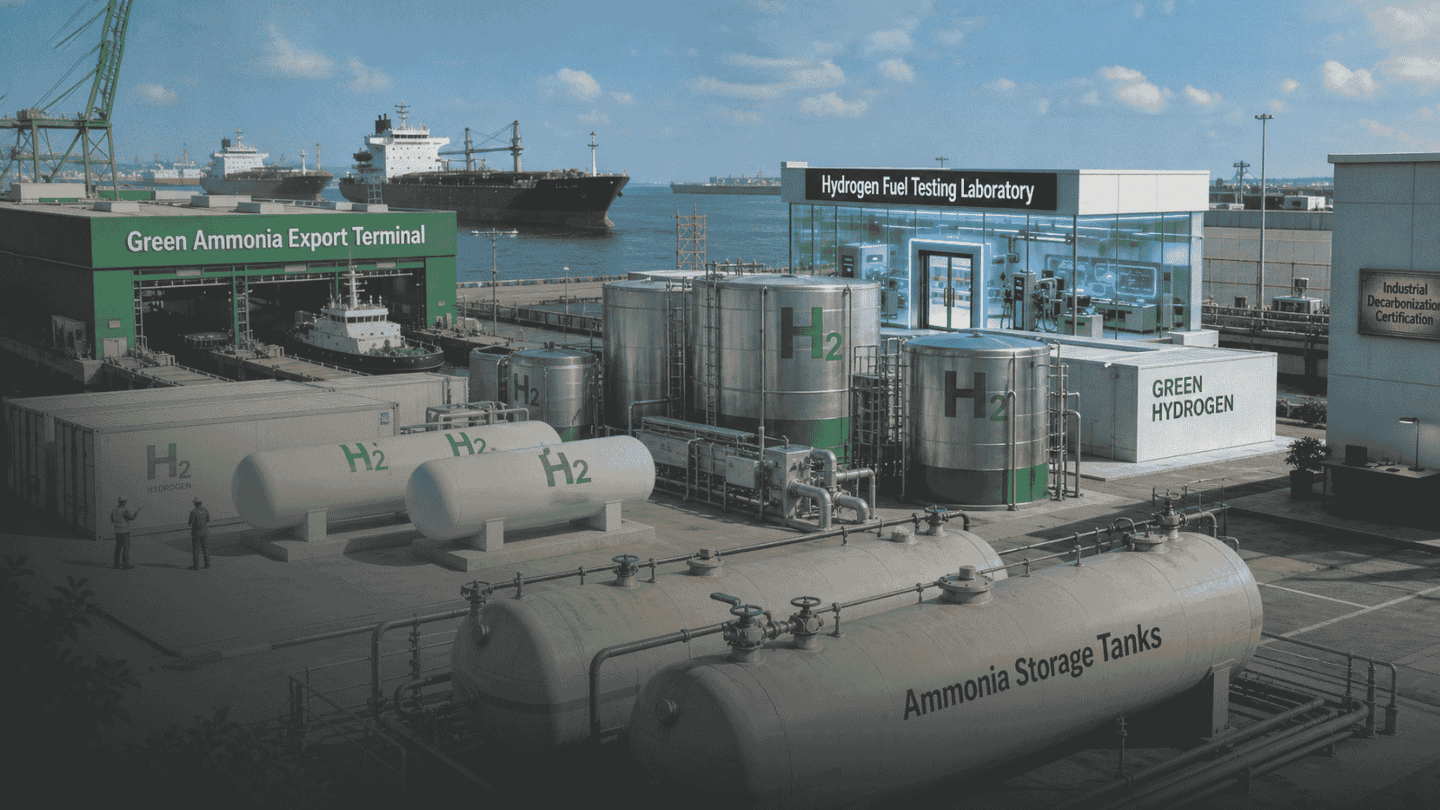
Undoubtedly, hydrogen dominates policy discussions. However, ammonia is being seen as one of the more commercially viable ways to transport hydrogen covering long distances. It is easier to liquify, transport and be traded worldwide using existing infrastructure when compared with pure hydrogen, making it relevant for fertiliser production, power generation, refining, chemicals and potentially shipping fuel. In this segment, the country may enjoy structural advantages, as it has a fertiliser ecosystem, refining sector and expanding renewable energy capacity.
Green Methanol: Emerging in Shipping Discussions
Globally, boards of shipping companies are exploring fuels, which could replace conventional marine fuels, as the shipping sector is realising pressures for cutting emissions. This is prompting the industry to evaluate methanol, which can be handled utilising relatively familiar liquid fuel infrastructure in comparison to hydrogen. As the government has decided to permit multiple carbon sourcing pathways for green methanol, it suggests that the Centre is making an effort to strike a balance emissions integrity with commercial scalability in the early development phase of the market.
Aligning with Emerging Certification Expectations
Verification is a major challenge in the global hydrogen economy. Nations are still debating on the means of calculating lifecycle emissions, tracking renewable power usage and certifying low-carbon fuels across borders. Evidently, India’s standards are aimed at addressing a broader effort in a bid to align with emerging certification expectations.
According to the Ammonia Energy Association, India’s green ammonia threshold is lower than Japan’s benchmark for low-carbon ammonia. However, the most important regulatory layer is still pending. The government has stated that detailed methodologies for measurement, reporting, monitoring, verification and certification will be issued separately by MNRE. Those rules are likely to determine how internationally acceptable Indian green fuel certifications eventually become.
Cost Competitiveness
India’s competitiveness on a long-term basis in green fuels may depend as much on economics as regulation. It benefits from relatively low-cost solar energy, expanding renewable energy capacity, large industrial demand centres and policy support under NGHM.
At the same time, green hydrogen derivatives remain expensive in comparison with conventional fuels. This is largely due to electrolyser costs, renewable power integration requirements and infrastructure investments.
Green hydrogen production costs in India still vary significantly depending on renewable energy access, storage integration and transmission connectivity. Therefore, commercial viability of exports may depend on renewable electricity costs, electrolyser manufacturing scale, storage systems and future global carbon pricing mechanisms.
Need for Building Infrastructure
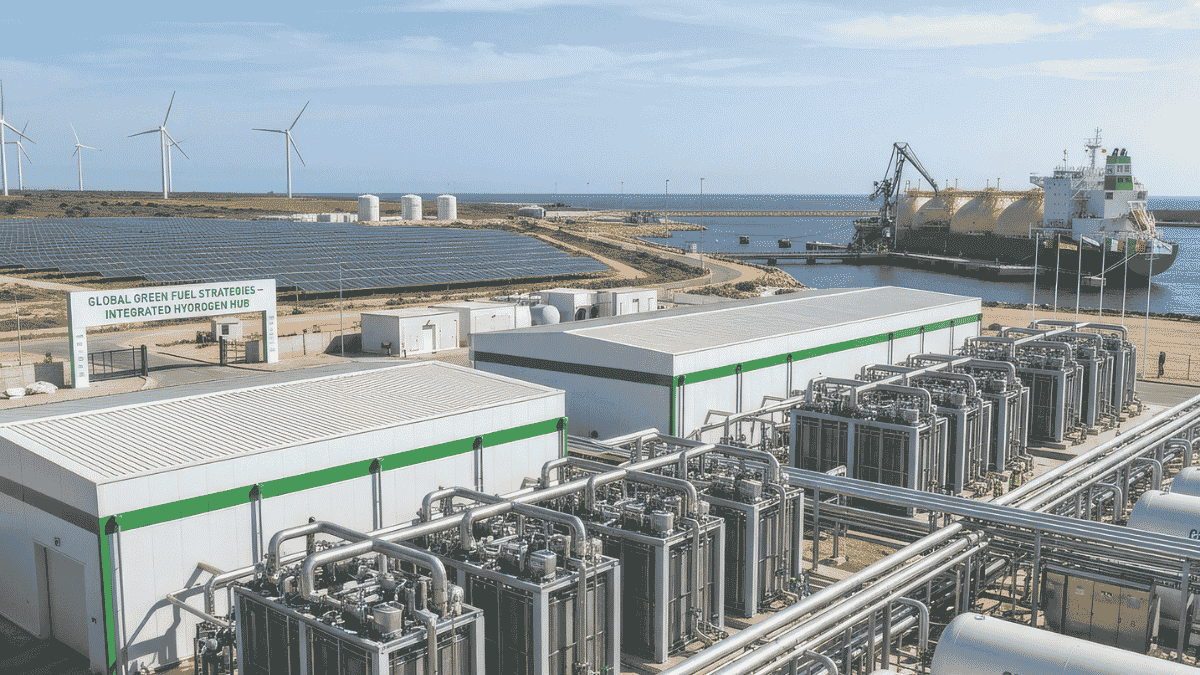
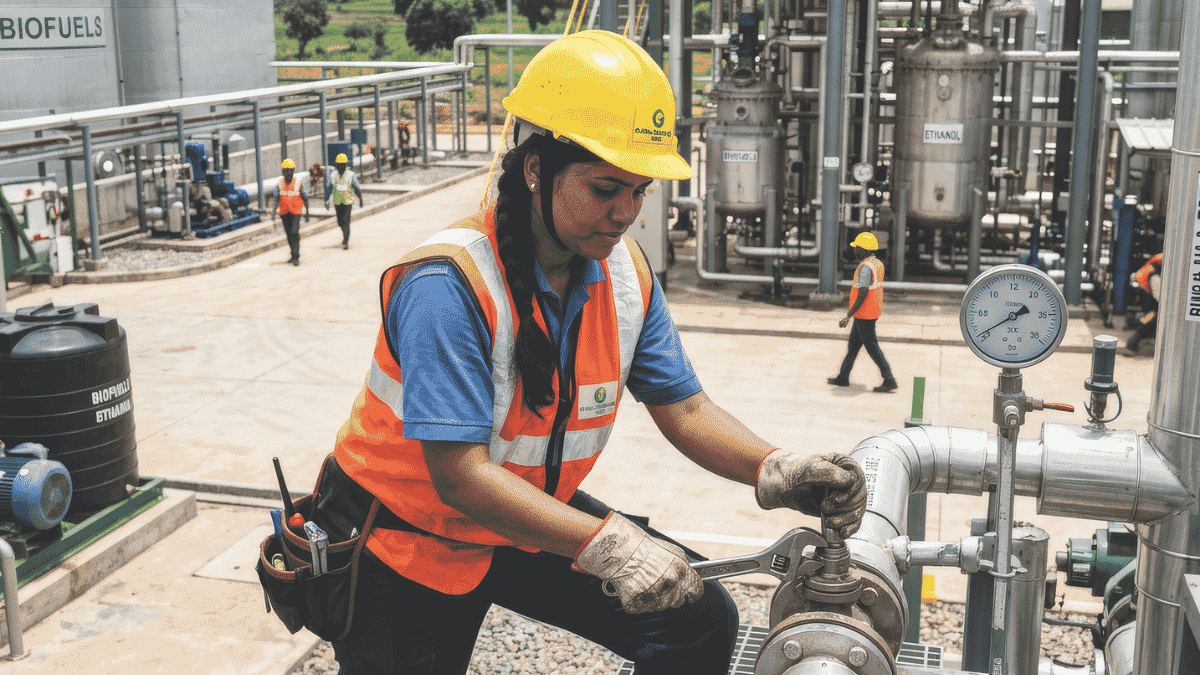
For establishing India as a major green fuel exporter hub, policy clarity alone may not be sufficient. Large-scale deployment will require dedicated renewable energy capacity, electrolyser manufacturing, transmission infrastructure, ammonia handling systems, storage facilities, export terminals and port integration.
The transition will require coordination across energy, fertilisers, refining, shipping and trade policy ecosystems. India has already initiated green hydrogen supply programmes for refinery applications involving public sector oil companies, including Indian Oil Corporation, Bharat Petroleum Corporation and Hindustan Petroleum Corporation.
Global Green Fuel Strategies Shaping up
As countries are attempting to secure future positions in global hydrogen and green fuel supply chains, competition is likely to intensify.
With the notifications of green ammonia and green methanol standards, a shift is visible from policy ambition to creating a market architecture. India has embarked upon a journey to create a framework, which is measurable and certifiable for green fuel production amid the global market’s increased priority for emission transparency and low-carbon trade system.