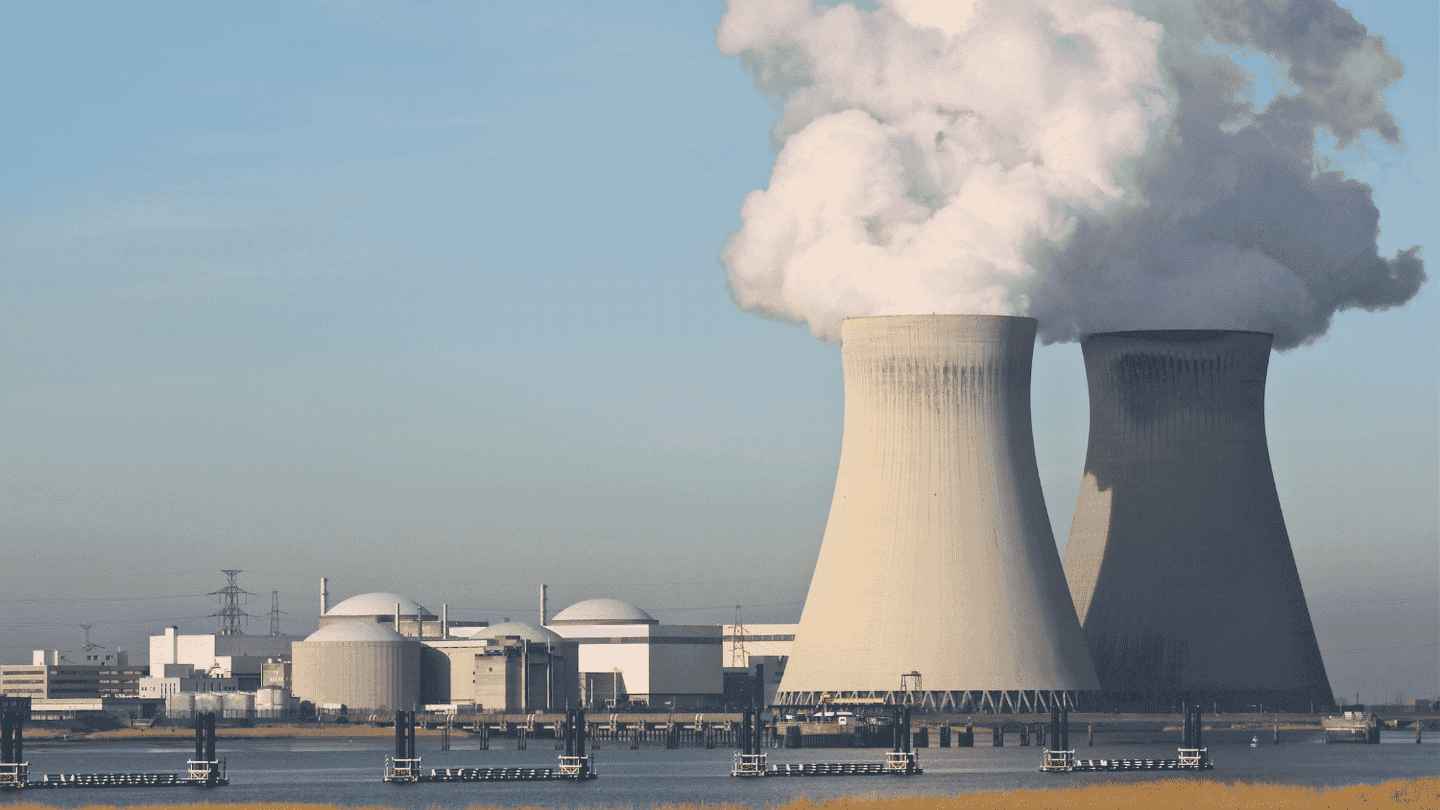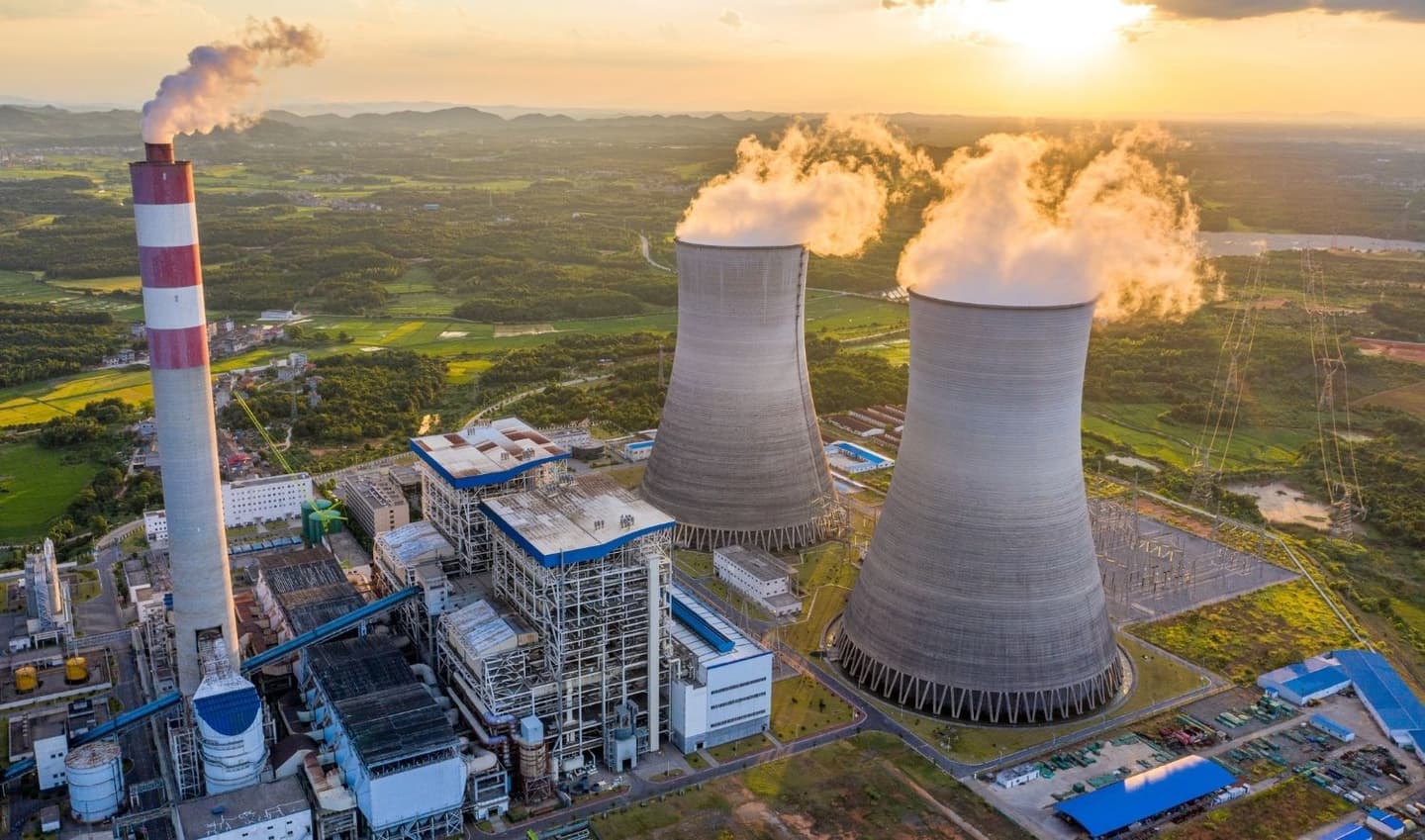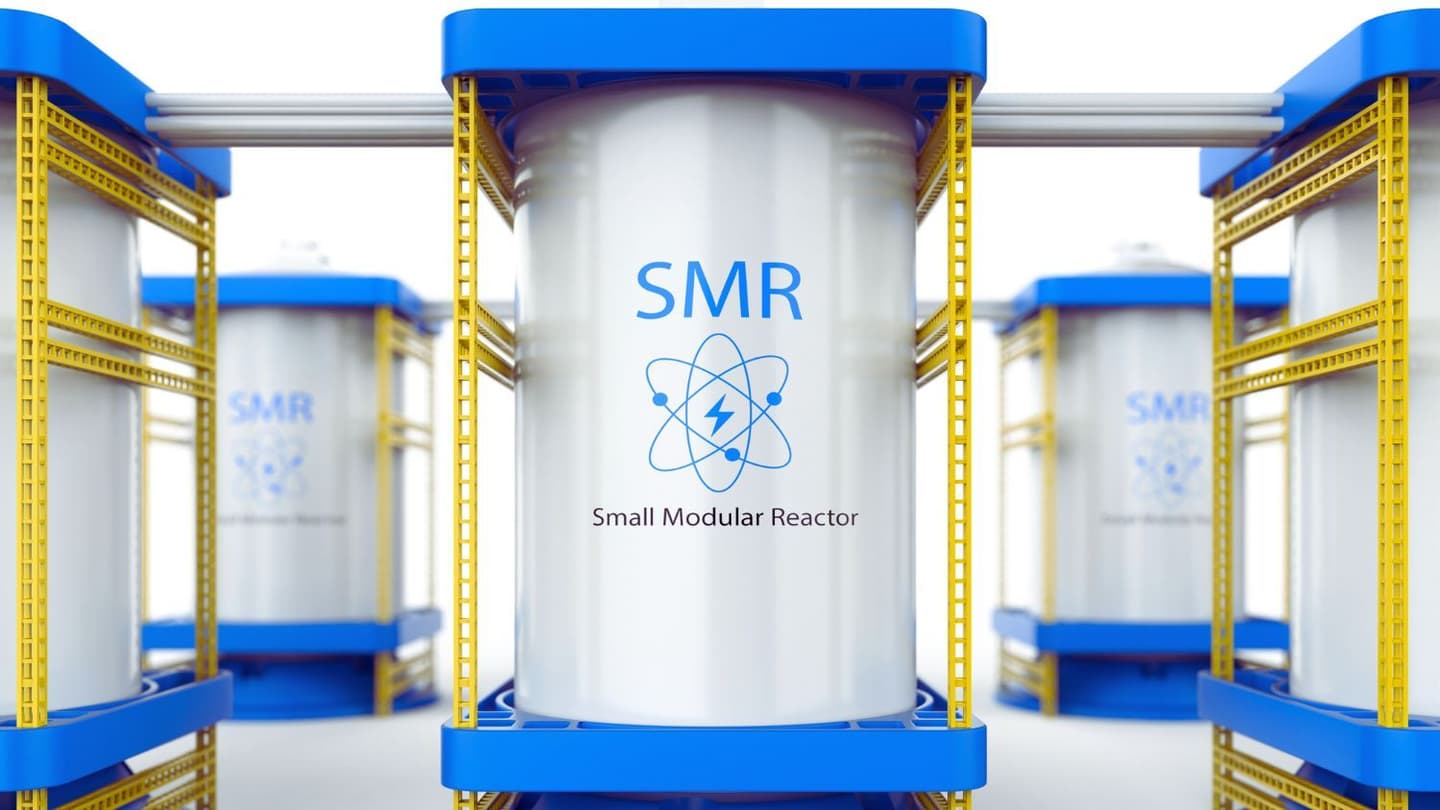
The Centre has allocated ₹20,000 crore under the Nuclear Energy Mission to develop and deploy indigenous Small Modular Reactors (SMR), with demonstration units proposed at the Tarapur Atomic Power Station in Maharashtra and the BARC facility in Visakhapatnam.
Responding to a question in the Rajya Sabha, Minister of State for Atomic Energy Jitendra Singh said the Department of Atomic Energy is developing three indigenous SMR designs — the 220 MWe Bharat Small Modular Reactor (BSMR-200), the 55 MWe Small Modular Reactor (SMR-55) and a high-temperature gas-cooled reactor intended for hydrogen generation.
The lead units of the BSMR-200 and SMR-55 reactors are proposed to be constructed at the Tarapur Atomic Power Station, while the high-temperature gas-cooled reactor is proposed to be built at the Bhabha Atomic Research Centre facility in Visakhapatnam.
The BSMR-200 project has received in-principle approval, and the proposal for administrative and financial sanction has been cleared by the Atomic Energy Commission for submission to the Cabinet Committee. The SMR-55 project has also received in-principle approval, while a detailed project report has been prepared for the high-temperature reactor.
The government said key technologies for the reactors, including the Advanced Purified Reactor Vessel Alloy (ApuRVA) and the control rod drive mechanism, have been developed indigenously with support from Indian industry.
India currently has 8.78 GW of installed nuclear power capacity, which is expected to rise to about 22 GW by 2031–32 as ongoing projects are completed. The government has drawn up a roadmap to expand nuclear power capacity to 100 GW by 2047, including projects to be developed by the Nuclear Power Corporation of India Limited and other public and private entities.
The government estimates that construction of the BSMR reactor will take 60–72 months after receiving administrative and financial approval.