Delhi’s power sector has created a strong foundation for the clean energy transition via reliable electricity supply, efficient power distribution companies (DISCOMs), and supportive clean energy policies. However, fulfilling the city's fast-rising power needs while lowering carbon emissions will depend more on scaling up localized renewable power, energy storage systems, and demand-side flexibility, according to a recent report by IEEFA and Ember.
The study named Delhi’s Electricity Transition Challenges and Opportunities: A SCOPE Study, observed Delhi's limitations in land availability and scope for large-scale power generation. The city’s growing demand caused by cooling, commercial activity, and transport electrification require a different transition pathway. Although the city has fulfilled its peak demand in recent years, rising night-time demand will require investments across battery storage, smarter electricity pricing, and demand-side flexibility to maintain grid reliability.
According to the study, as of June 2026, Delhi accounted for nearly 7,544 MW of allocated generation capacity. Yet, it continues to depend upon electricity generated by central generating stations and neighbouring states due to structural limitations.
“Delhi requires a different transition pathway from that of most Indian states. Rather than relying on utility-scale renewable energy buildout within its geographical boundaries, Delhi’s transition will depend on optimising clean power procurement, scaling rooftop solar and storage, improving energy efficiency, enabling demand-side flexibility, and leveraging power markets,” said Tanya Rana, Energy Analyst, South Asia, IEEFA, and lead author of the report.
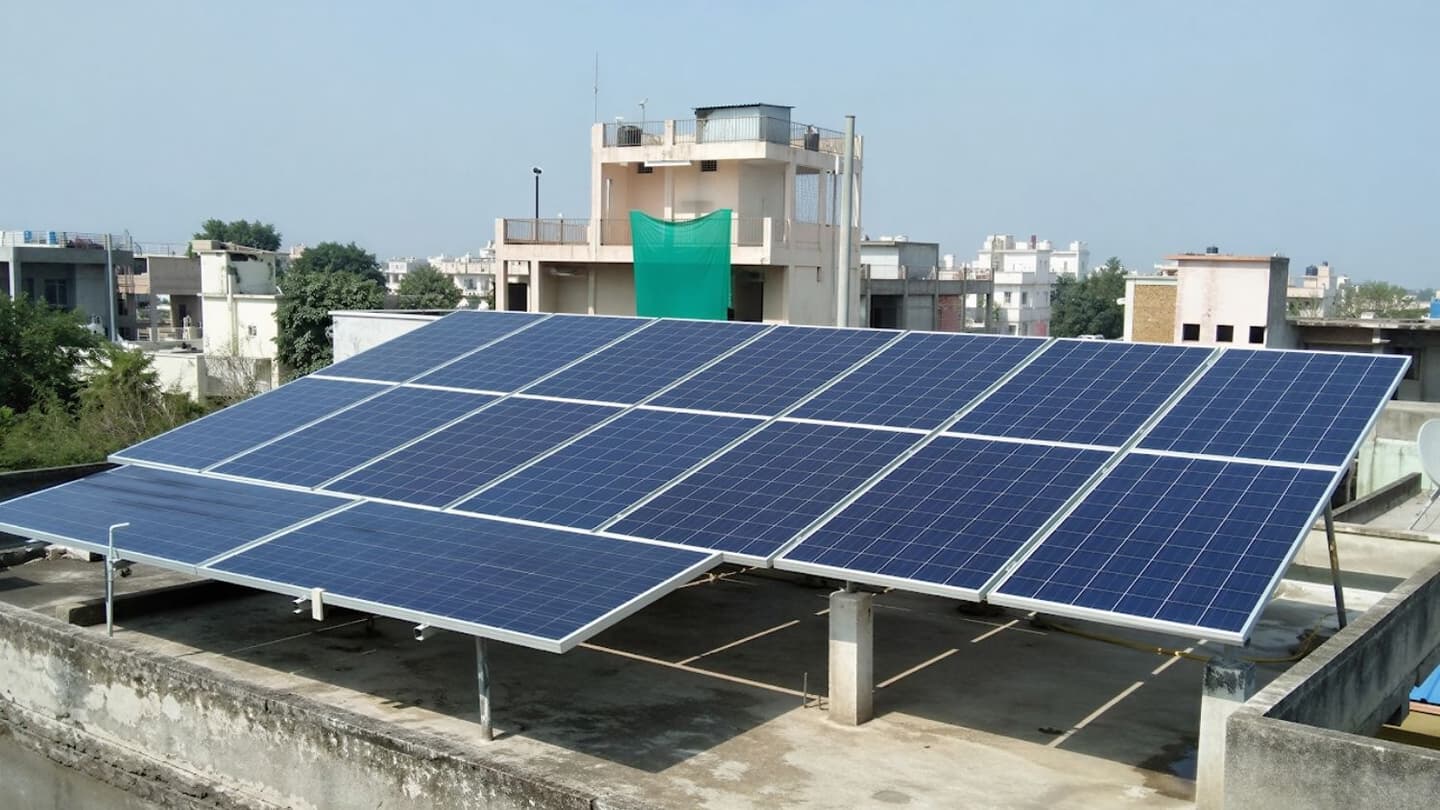
The study recognises distributed renewable energy as a major opportunity for decarbonisation. Delhi’s installed distributed solar capacity reached 446 MW by June 2026, supported by policy measures and consumer incentives. It also highlights opportunities to accelerate battery energy storage deployment, expand smart meter installations, implement solar-hour-aligned time-of-day tariffs, increase participation in green electricity markets, and further develop peer-to-peer electricity trading.