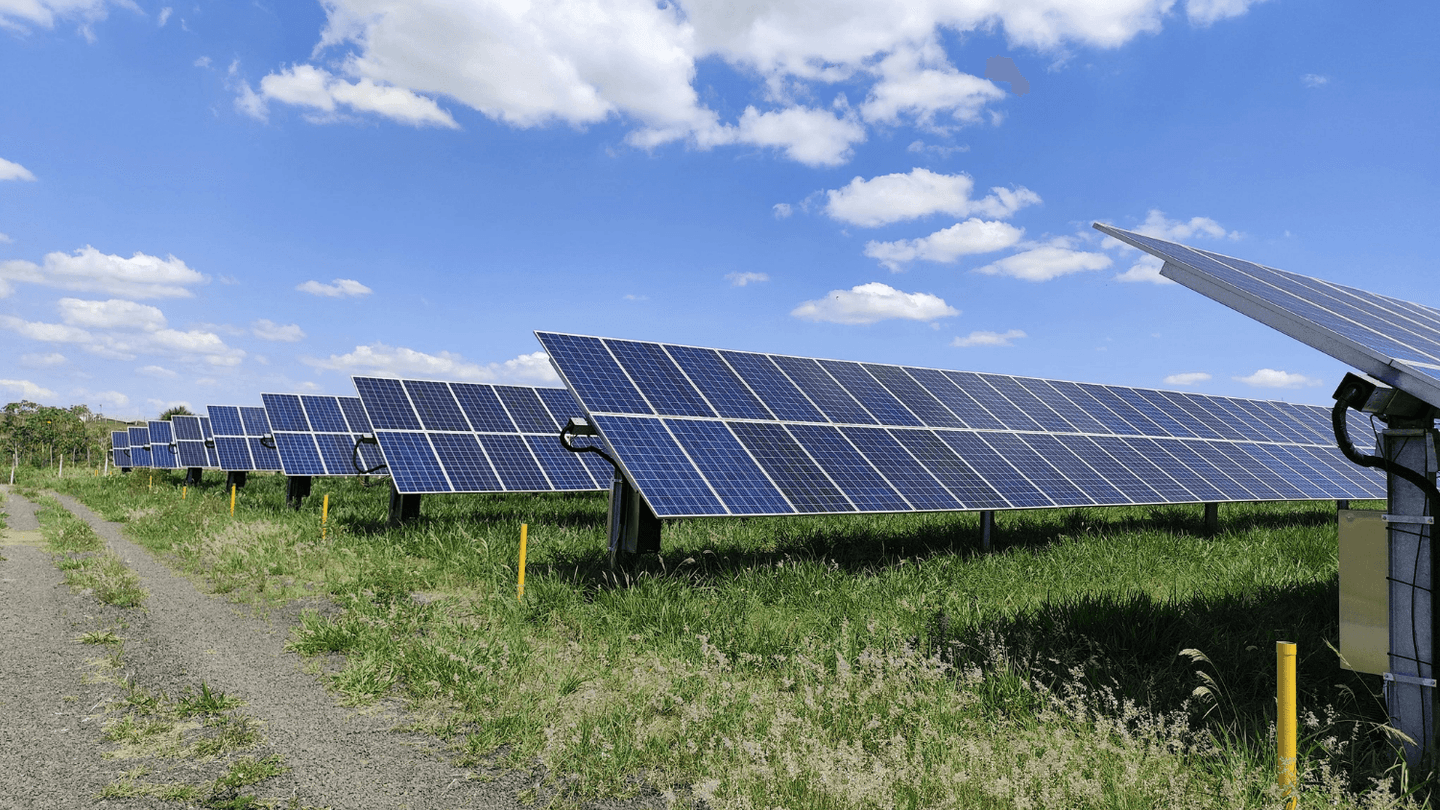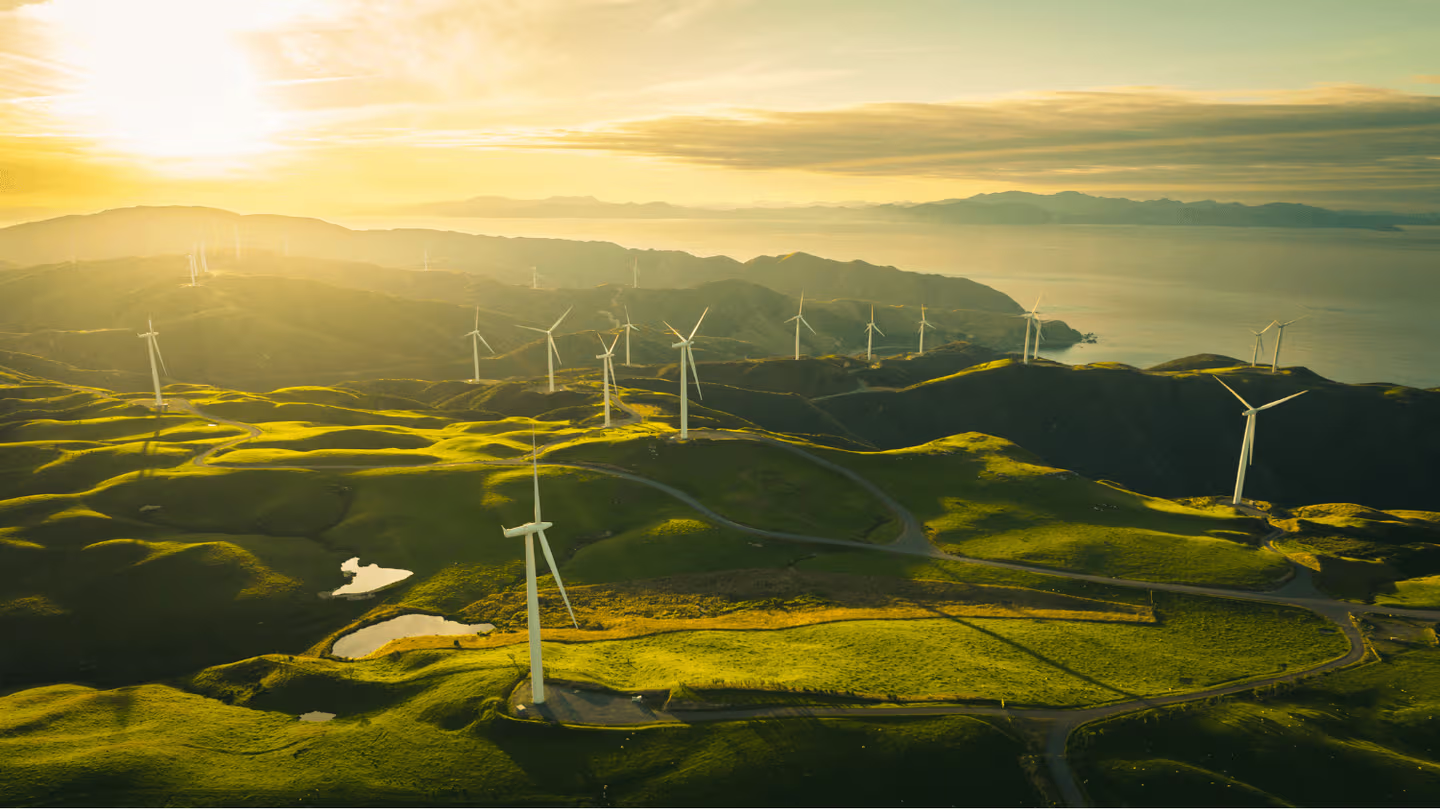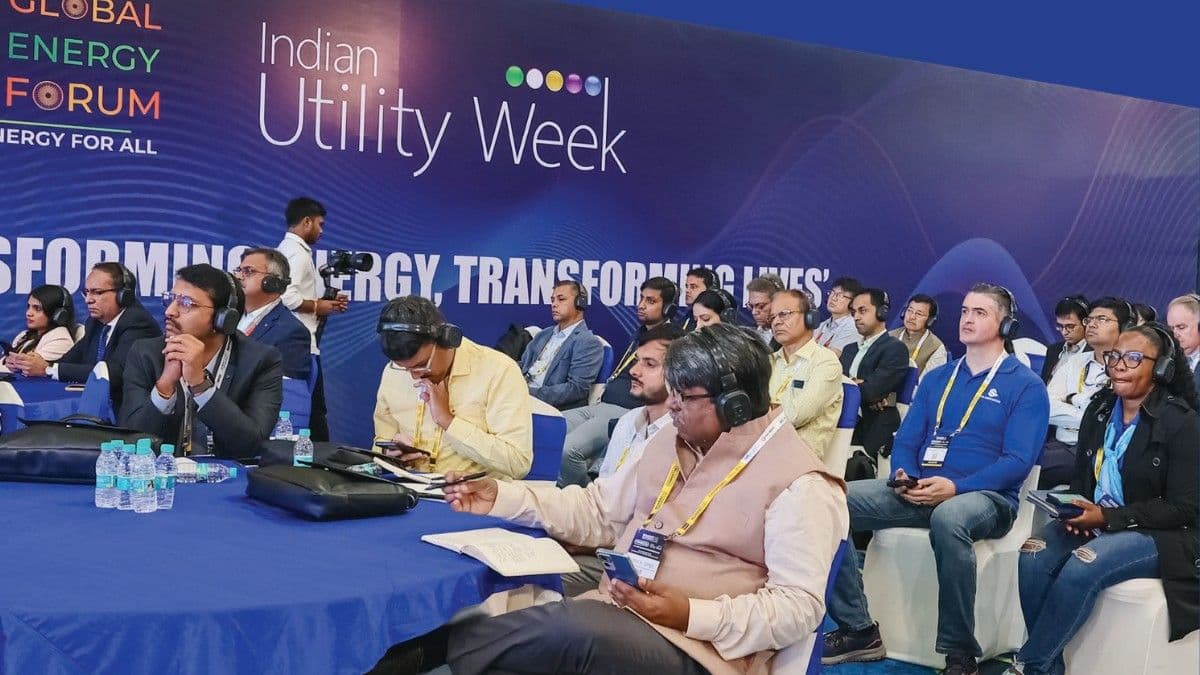
India is already the world’s fourth-largest renewable market with about 237 GW of non-fossil capacity installed, another 187 GW under implementation and 67 GW in active tendering. Solar has surged past 120 GW, but wind remains near 52 GW. That imbalance leaves daytime power cheap sometimes close to zero on exchanges while evening peaks stay hard to serve. At the same time, electric buses, data centres and green hydrogen will push urban grids well beyond historic demand patterns. Industry leaders used the platform to go beyond optimism and define what it will take to build a stable, flexible, digitally enabled clean power system.
Policy Visibility Converts Targets Into Pipelines
Suman Chandra, Director, MNRE, underlined that India’s bold capacity goals are credible only if developers and manufacturers see long-term demand. She reaffirmed a 50 GW per year bidding trajectory through 2026–27, backed by enforceable Renewable and Consumption Obligations (RPO/RCO).
On the demand side, she cited PM Surya Ghar momentum — 57 lakh household registrations, 18 lakh rooftops installed, six percent collateral-free consumer loans, and `2,000-plus crore in incentives to discoms to offset grid concerns. On the supply side, she flagged 100 GW plus of domestic module capacity and 27 GW of cell capacity already built. She warned that resource adequacy must move in step with transmission adequacy, and growth should embed circularity so equipment and materials stay in the value chain.
Fix the Solar–wind Imbalance
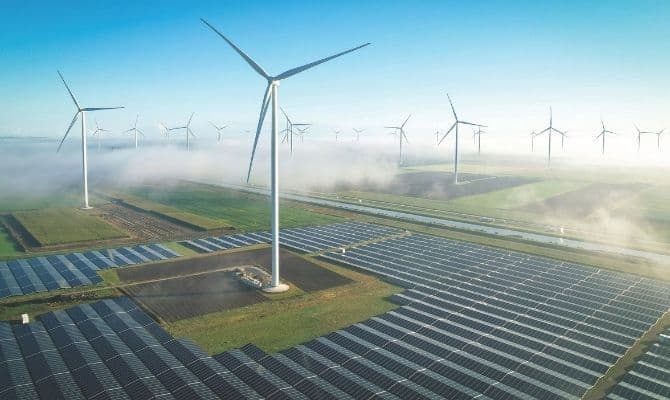
Aditya Pyasi, CEO, Indian Wind Turbine Manufacturers Association (IWTMA), called the current generation mix “dangerously skewed.” Solar’s rapid build has created a deep midday dip and forced curtailment, while wind’s steadier profile is underused. His prescription: accelerate wind–solar– storage hybrids and round-the-clock renewable contracts so the combined capacity utilisation factor (CUF) can rise from solar’s around 20 percent toward 60–85 percent. This not only matches India’s evening peaks but also keeps system costs low and avoids grid failures like those seen in Europe.
Build a Common Digital Nervous System
Swetha Ravi Kumar, Executive Director, FSR Global argued that smart meters alone do not deliver flexibility; data must flow across generation, utilities, aggregators and prosumers through a secure, standardised India Energy Stack. Interoperable platforms with role-based access and verified asset data would unlock demand response at scale, local energy markets and personalised tariffs, while cutting the cost of renewable integration.
Make the Edge Visible and Controllable
S R Narasimhan, Former CMD, Grid Controller of India pressed for realtime observability and control of distributed energy resources (DER) such as rooftops, EV fleets and battery systems. Without granular visibility, grid operators misread events. For example, clouds dropping PV output look like sudden demand spikes. He urged national standards for grid-supportive DERs and secure aggregator gateways so flexible capacity can be dispatched like conventional plants.
Smart meters alone do not deliver flexibility; data must flow across generation, utilities, aggregators and prosumers through a secure, standardised India Energy Stack.
Prepare for the Next-gen Load Wave
Vineet Sikka, MD, Distribution, CESC Ltd, warned that new demand — data centres, electric vehicles, green hydrogen — will reshape consumption faster than legacy urban grids can handle. For dense cities, he urged proactive digitalisation, asset upgrades and workforce reskilling are required so that networks are not overwhelmed by unfamiliar, highquality load.
For dense cities, proactive digitalisation, asset upgrades and workforce reskilling are required so that networks are not overwhelmed.
Trustworthy Data Before More Hardware
Praveen Kumar Agarwal, Sr Advisor & Trainer, cautioned that adding steel alone will not deliver flexibility. Hyper-automation, secure IT/OT convergence and end-to-end telemetry are prerequisites for half-hourly markets and dispatch of distributed assets. He pointed to India’s emerging digital public infrastructure, giving every grid asset a unique digital ID and consent-based data sharing as the key to safe, scalable grid operations. The clean-energy race is no longer about how many megawatts can be added each year. It’s about making those megawatts dependable and affordable while absorbing unpredictable new demand. That requires stable policy signals, a balanced technology mix, deep digital intelligence and proactive utility planning. India’s targets remain within reach, but success now depends on system design, not slogans.
Leadership Imperatives
- Lock multi-year demand signals: Maintain 50-GW annual bidding and enforce RPO/RCO
- Balance generation portfolios: Scale wind, solar and storage hybrids to lift CUF and stabilise costs
- Digitise for flexibility: Adopt a secure, interoperable India Energy Stack and advanced grid automation
- Make DER grid-supportive. Mandate standards and aggregator access for real- time control
- Upgrade urban networks early: Anticipate EV, hydrogen and data-centre demand; reskill workforce
- Treat data as critical infrastructure: Build trusted, cyber-secure IT/OT convergence to enable real-time markets