
India’s downstream isn’t reacting to change it’s leading it. By hardwiring sustainability into refineries and petrochemicals, it can secure energy, power industrial growth, and cut carbon positioning India as a resilient global hub by 2030.
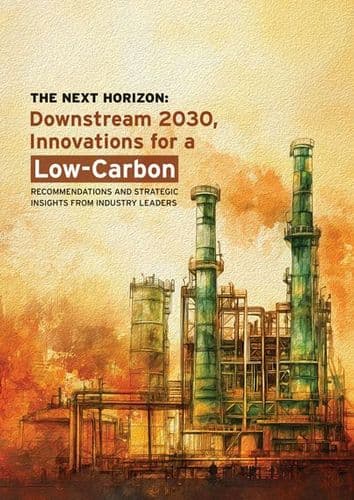
The global energy system is being reshaped by the twin imperatives of growth and climate responsibility. The refining and petrochemical sector sits at the heart of this transformation-not as a passive responder to external pressures, but as an active architect of a low carbon, competitive future. Rather than merely adjusting to global trends, India’s downstream is embedding sustainability into the very fabric of its operations and redefining its role as an anchor for energy security, industrial competitiveness, and climate resilience.
As we look toward 2030 a milestone year for global climate and energy goals the downstream industry must combine technological progress, supportive policy frameworks, and collaborative execution to deliver both growth and decarbonisation. The discussions at the Global Refining & Petrochemicals Congress (GRPC) 2025, themed The Next Horizon: Downstream 2030, Innovations for a Low-Carbon Future, reinforced a clear message: the sector’s transformation is not optional, it is existential.
The downstream sector is shifting from incremental compliance to strategic transformation uniting decarbonisation, deep refining-to-chemicals integration, circular economy pathways, and end-to-end digitalisation. A 2030 horizon compels policy clarity, investment confidence, and collaborative execution. India’s National Green Hydrogen Mission (targeting 5 MMT/year by 2030) and rising petrochemical intensity ambitions anchor this pivot.
Accelerate energy efficiency, renewable electrification, green hydrogen adoption, and CCU/CCS pilots to cut emissions without compromising reliability or profitability
Raise petrochemical intensity to 25-40% by building integrated refinery-petrochemical complexes, diversifying product slates, and reducing import dependence.
Embed plastics-to-chemicals/fuels, used-oil regeneration, and biomass valorisation into mainstream feedstock strategies, transforming waste streams into revenue sources.
Move from reactive alarms to AI/ML-driven, explainable, physics-informed decision support; scale RTO and digital twins to improve throughput, energy efficiency, and safety.
Leverage crude flexibility and brownfield upgrades to expand into specialty chemicals, APIs, and advanced materials, stabilising margins beyond conventional fuels.
Establish long-term policy stability, operational carbon markets, a national SAF framework, Make-in-India supply chains, and targeted workforce renewal to remove execution bottlenecks.
This Outlook underscores that the downstream sector’s transformation is critical for India’s national energy security, economic development, and climate goals. The path forward requires a whole-of-system approach combining technology adoption, stable policy, collaborative infrastructure, and human capital development. With decisive action today, India’s downstream can emerge as the world’s most resilient, efficient, and sustainable refining and petrochemical hub by 2030.