Global Oil Demand May See Biggest Quarterly Slump Since COVID: IEA
IEA warns global oil demand could see its sharpest quarterly decline since COVID amid West Asia conflict, with supply disruptions and economic slowdown weighing on markets.

IEA warns global oil demand could see its sharpest quarterly decline since COVID amid West Asia conflict, with supply disruptions and economic slowdown weighing on markets.

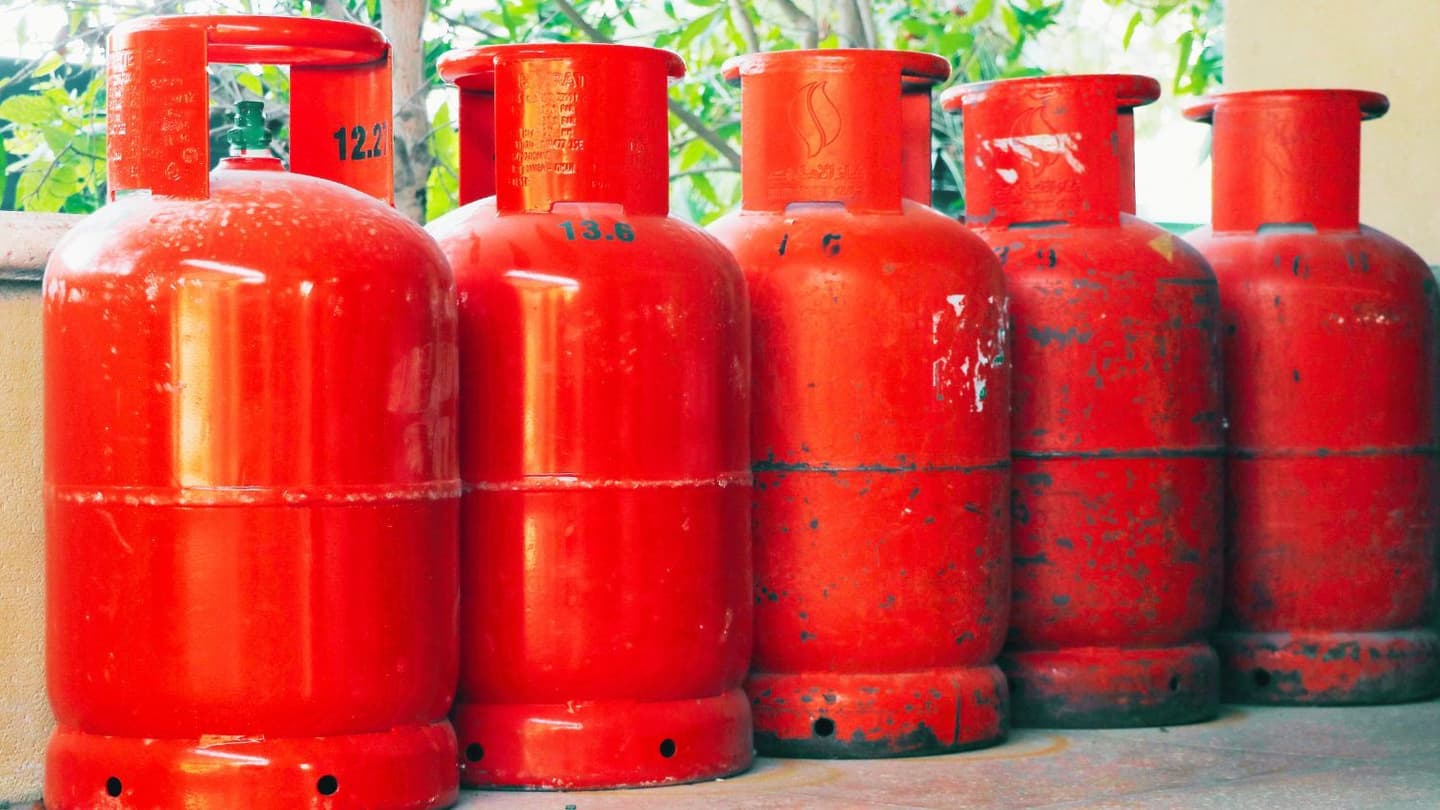
PSU oil firms penalise 232 LPG distributors and suspend 56 amid nationwide crackdown, while supply remains stable despite geopolitical disruptions.

IEA, IMF and World Bank say the West Asia war will have lasting global impacts, with energy and fertiliser prices likely to remain high and supply disruptions continuing.

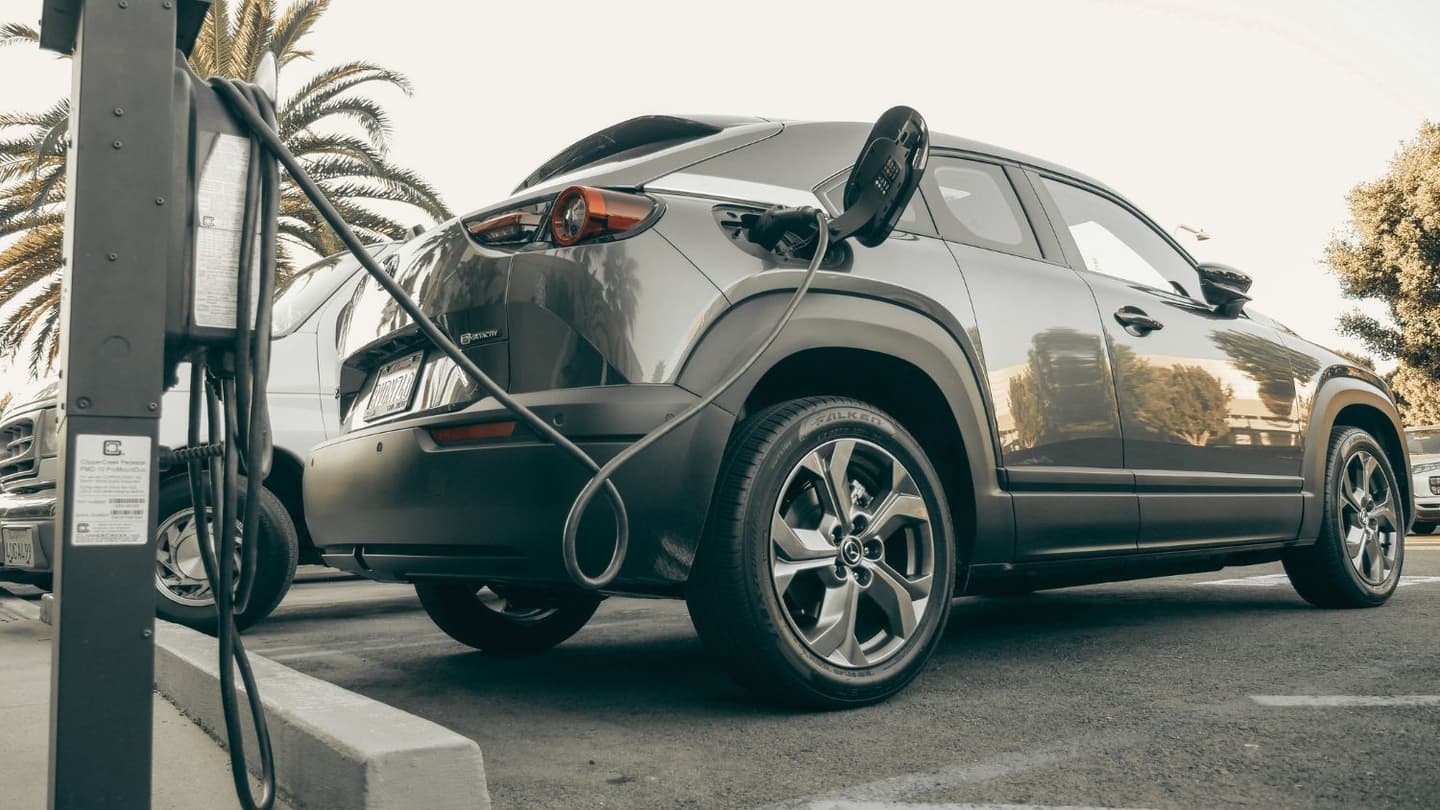
Centre extends PM E-DRIVE scheme and boosts EV manufacturing push to reduce oil dependence and tackle supply chain risks amid global energy market volatility.

Government intensifies enforcement against LPG hoarding with over 1.28 lakh raids and 59,000 cylinders seized, while domestic supply remains stable despite West Asia disruptions.

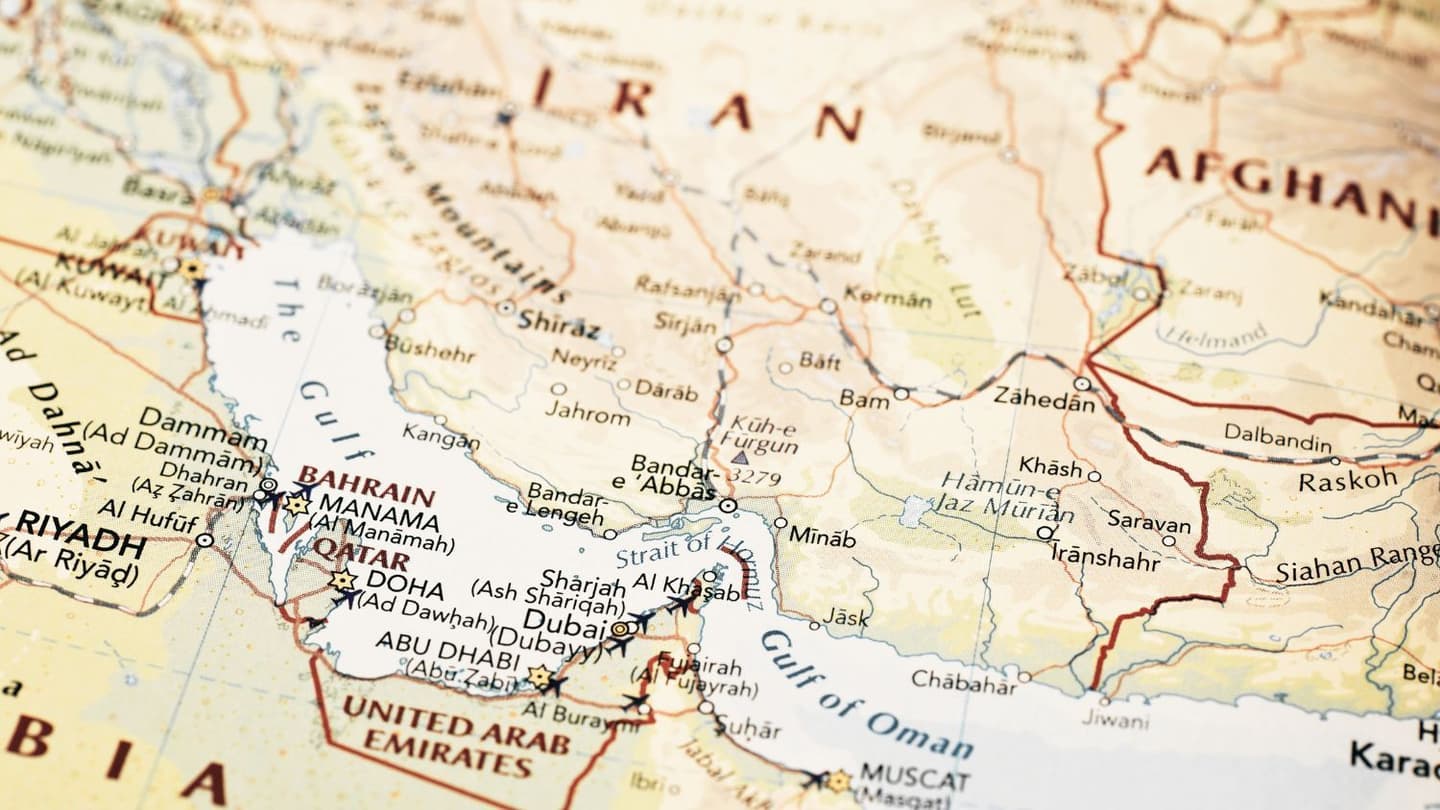
Oil prices surge past $103 per barrel after US announces naval blockade targeting Iran-linked shipping in Strait of Hormuz, raising fresh supply disruption concerns.

Over 30,000 consumers have surrendered LPG connections, while PNG adoption continues to rise, even as fuel supply remains stable amid West Asia disruptions.

US President Donald Trump warns Iran against imposing tolls on ships in the Strait of Hormuz, amid concerns over disruption to a key global oil transit route.

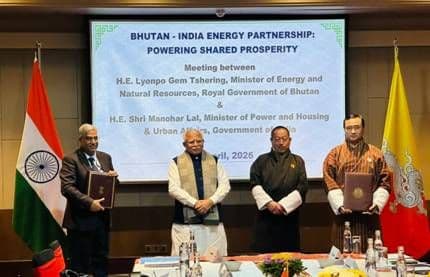
India and Bhutan sign tariff protocol for the 1,020 MW Punatsangchhu-II project and a grid framework for reactive energy accounting to strengthen cross-border power trade and stability.

Iran to charge $1 per barrel toll in cryptocurrency for oil tankers transiting the Strait of Hormuz, signalling tighter control over a key global oil route despite ceasefire conditions.

The Centre has approved a revised cost of ₹79,459 crore for the HPCL Rajasthan Refinery project, aimed at boosting petrochemical output and reducing import dependence across key industrial sectors.

India has emerged as the world’s third-largest renewable energy capacity holder, with 283.46 GW non-fossil capacity and record additions in FY26, according to government data.