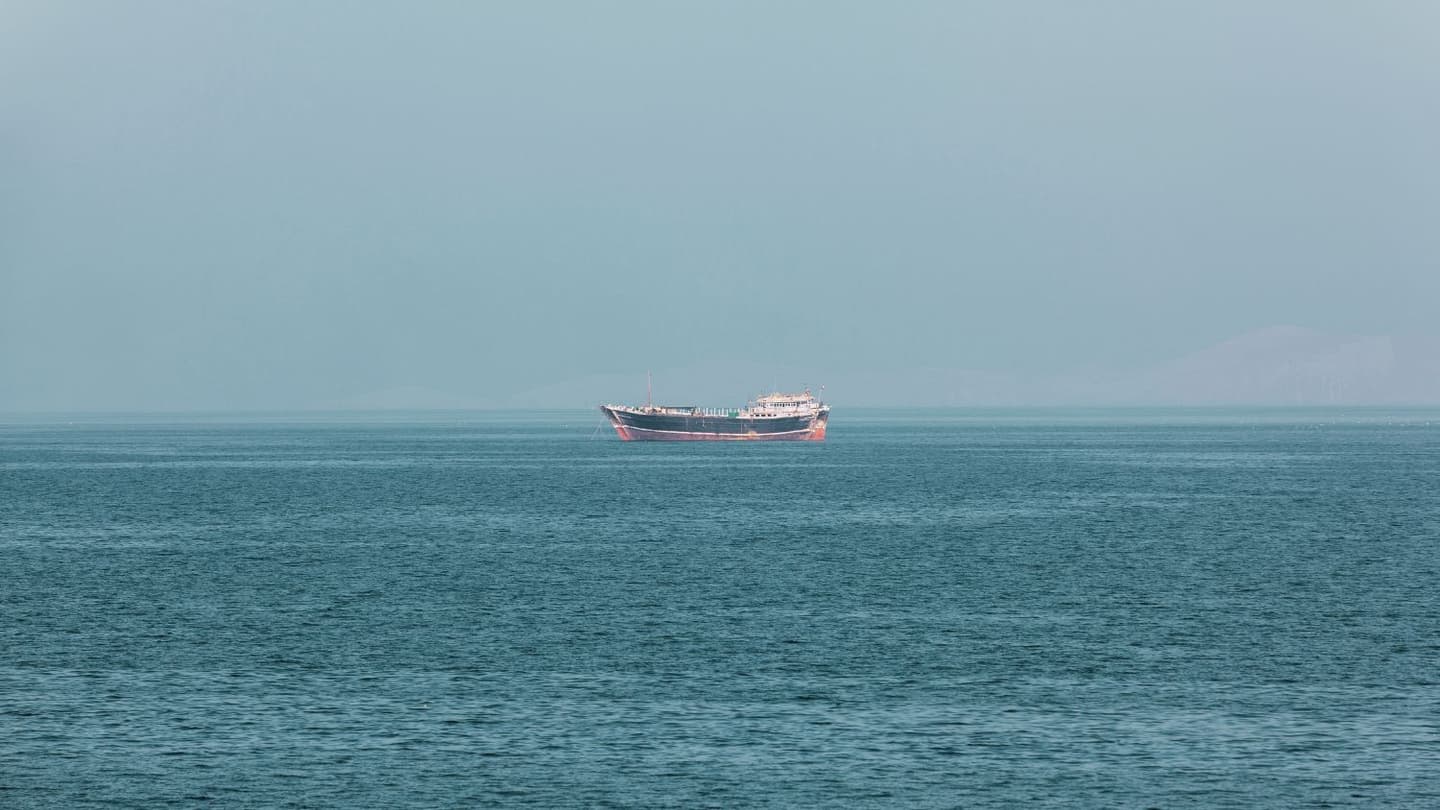
Iran on Saturday effectively closed the Strait of Hormuz, barely within a day of its re-opening since February 28, reports Iranian state media Press TV.
“Iran's Khatam al-Anbiya Central Headquarters has announced that transit through the Strait of Hormuz has reverted to its previous state of strict military control, citing repeated US violations as the reason,” Press TV posted on X.
On Friday, Iran said that the Strait of Hormuz is “declared completely open” for the remaining period of the ceasefire. “Iran agreed to allow a limited number of ships to pass through the Strait of Hormuz according to agreements. But the US did not fulfil their obligations. So, the Strait of Hormuz is now closed again and passage requires Iran’s approval,” news reports quoting the Islamic Republic of Iran Broadcasting (IRIB) service as saying in a post on X.
The re-opening of the strait brought a sly of relief as Brent crude price plummeted to $88 per barrel. But, the latest development has raised fresh concerns over oil prices and energy security as one-fifth of the global oil and gas shipments transit via the Strait of Hormuz, a narrow passage connecting oil-rich West Asian countries with the rest of the world.
Shortly after Iran’s announcement of the de-facto closure of the strait, two Indian-flagged ships among 14 that were carrying crude oil and gas passing through the narrow waterway to the country were fired upon before being stopped by the Iranian Revolutionary Guard Corps (IRGC), news agencies report.
In response, the Ministry of External Affairs summoned Iran’s Ambassador in New Delhi and conveyed India’s “deep concern”. Foreign Secretary Vikram Misri noted “the importance that India attached to the safety of merchant shipping and mariners, and recalled that Iran had earlier facilitated the safe passage of several ships bound for India. He urged the Ambassador to convey India’s views to the Iranian authorities and resume, at the earliest, the process of facilitating India-bound ships across the Strait. The Ambassador of Iran undertook to convey these views to the Iranian authorities.