
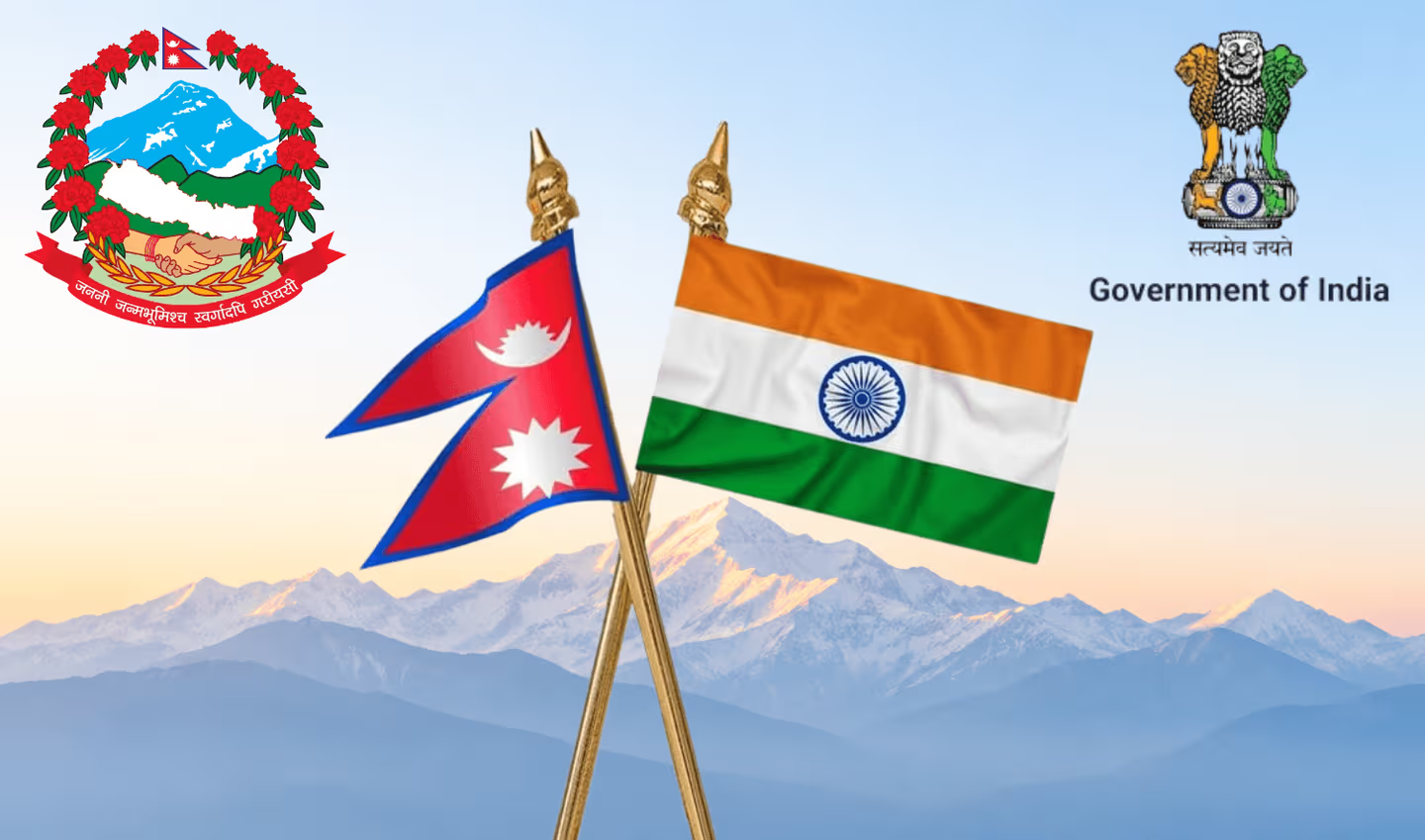
November 23, 2026, New Delhi, India and Nepal have substantially broadened their cooperation in cross-border energy, hydropower and fuel infrastructure, following bilateral negotiations between Prime Minister Narendra Modi and Nepali Prime Minister Balendra Shah. The two leaders virtually lay the foundation stone for the 669 MW Lower Arun Hydro-Electric Project in Nepal’s Koshi province during the summit and asked the Pancheshwar Development Authority and Joint Committee on Water Resources to expedite the Detailed Project Reports (DPRs) for the the Pancheshwar, Saptakoshi, and Sunkoshi multipurpose projects. The energy project is a part of a major plan of development assistance of Indian Rupees 15,000 crore (NPR 24,000 crore), which also includes a grant aid of Indian Rupees 3,500 crore for post-disaster reconstruction and infrastructure. Both countries reviewed progress on joint ventures for two high-capacity cross-border power transmission corridors – Inaruwa (Nepal) – New Purnea (India) and Dododhara (Nepal) – Bareilly (India) – on the grid and hydrocarbons front to deepen regional electricity trade under their Long-Term Power Trade Agreement. In downstream petroleum infrastructure, leaders dedicated Phase-II of Motihari-Amlekhgunj petroleum pipeline, laid foundation stone of a greenfield petroleum terminal at Jhapa in Nepal, prioritizing early execution of Siliguri-Jhapa petroleum pipeline with successful agreement to explore cross-border natural gas pipeline connectivity.
The bilateral strategy under the “Viksit Bharat and Samunnat Nepal” Joint Vision also commits the two nations to real-time hydro-meteorological and glacier lake monitoring, and a new pilot project on green hydrogen in Nepal.