Amid disruptions to Liquified Natural Gas (LNG) shipments and fuel supplies transiting the Strait of Hormuz, the government has issued the Natural Gas (Supply Regulation) Order, 2026 under the Essential Commodities Act, 1955 to ensure equitable distribution of gas across priority sectors.
The Ministry of Petroleum and Natural Gas notified the order on March 9, citing supply uncertainties caused by the ongoing conflict in West Asia and the invocation of force majeure clauses by several suppliers.
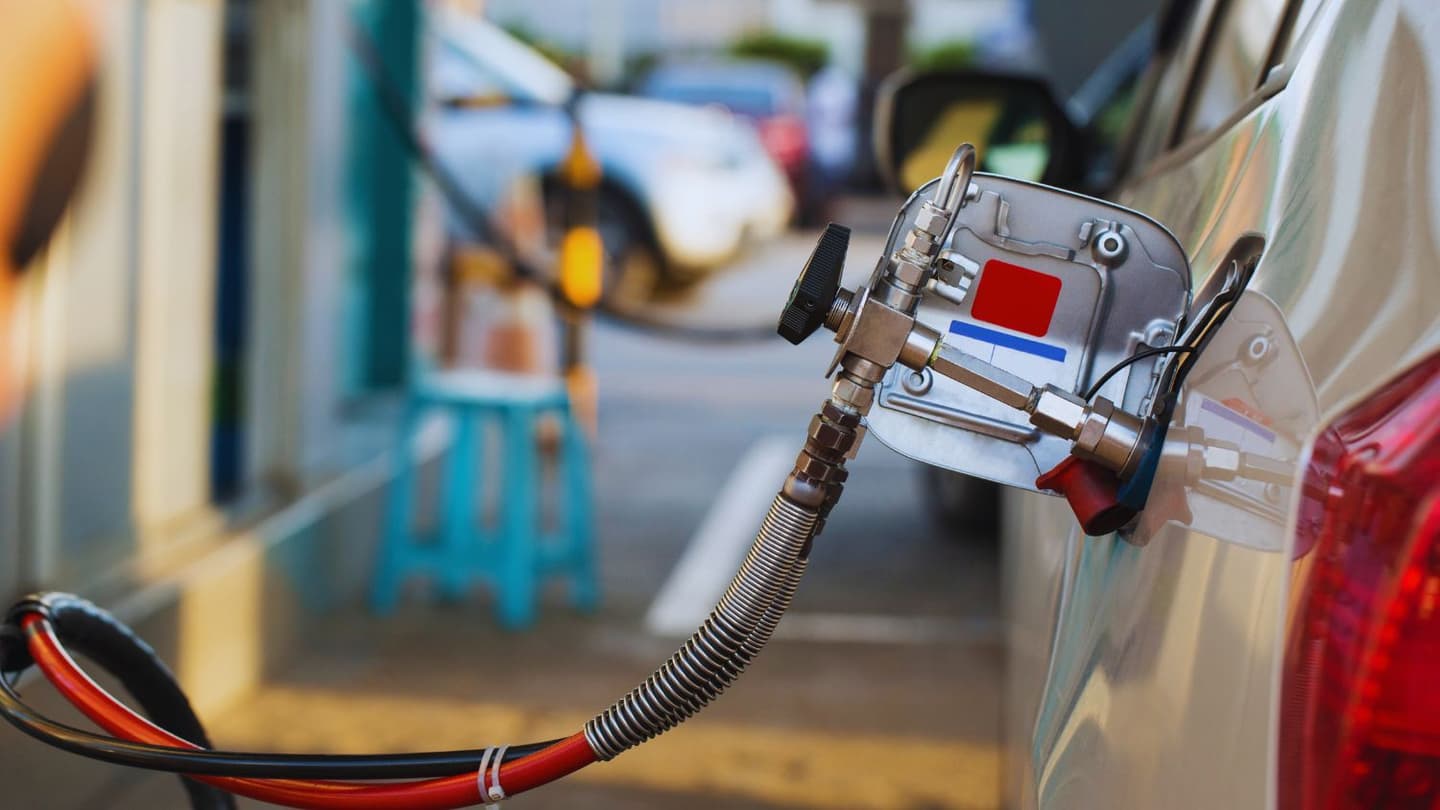
Under the order, natural gas supply to key sectors will be treated as priority allocation and maintained at 100 percent of their average consumption over the past six months, subject to operational availability. These sectors include domestic Piped Natural Gas (PNG) supply, Compressed Natural Gas (CNG) used for transport, LPG production including shrinkage requirements, and gas required for pipeline compressor fuel and other critical pipeline operations.
The government has also directed that fertiliser plants receive at least 70 per cent of their past six-month average gas consumption, subject to operational availability.
Gas marketing entities have been instructed to maintain supply to tea estates, manufacturing units and other industrial consumers connected to the national gas grid at 80 percent of their past six-month average consumption, again subject to availability.
The ministry said the measures were taken after assessing the impact of geopolitical tensions in the Middle East on global gas markets and LNG shipments.
Separately, the government has directed oil refineries to increase LPG production and channel the additional output specifically for domestic use.
“In light of current geopolitical disruptions to fuel supply and constraints on LPG availability, refineries have been instructed to increase LPG production and prioritise the additional output for domestic LPG use,” the ministry said in a post on X.
Domestic LPG supply to households has been prioritised and the inter-booking period for LPG refills has been extended to 25 days to prevent hoarding and black marketing.
The ministry added that imported LPG supplies for non-domestic consumption will be prioritised for essential sectors such as hospitals and educational institutions.
For other commercial users, including restaurants and hotels, a committee comprising three executive directors from oil marketing companies has been constituted to review requests for LPG allocation.