
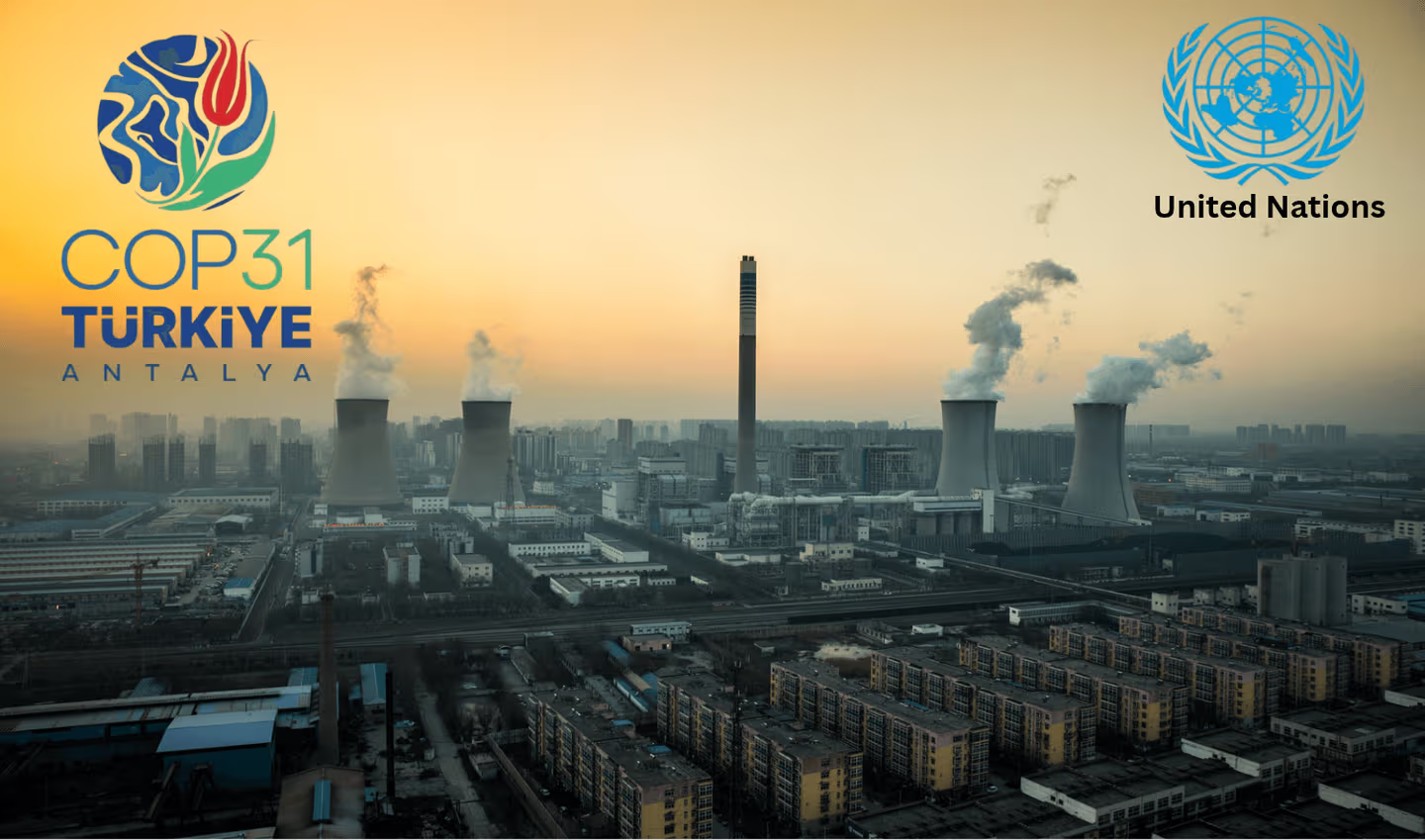
The United Nations climate summit (COP31) hosted in Antalya, Türkiye, concluded on its scheduled last day November 20, 2026 with discussions on fossil fuel transition pathways, adaptation finance, global electrification targets, and carbon management. Earlier draft recommendations during the two-week negotiations centered on speeding up the urgent phase-out of fossil fuels and a dedicated annual adaptation funding target of $120 billion by 2035. However, the COP31 Presidency’s new draft cover decision has dropped all explicit references to phasing out fossil fuels and replaced the $120 billion commitment with a non-binding call to at least triple adaptation funding by 2035, alongside proposals to raise electricity’s share of global final energy consumption to 35 per cent by 2035 and scale carbon. This dilution has provoked strong opposition from climate-vulnerable developing countries and European negotiators, especially as the document itself points out that full implementation of current national climate plans would still leave the world on a trajectory toward 2.6 degrees Celsius of warming, well above the Paris Agreement’s 1.5-degree Celsius limit.
The outcome highlights that bridging the widening gap between climate ambition and global energy realities will require binding financial commitments and credible and clean power transition frameworks.