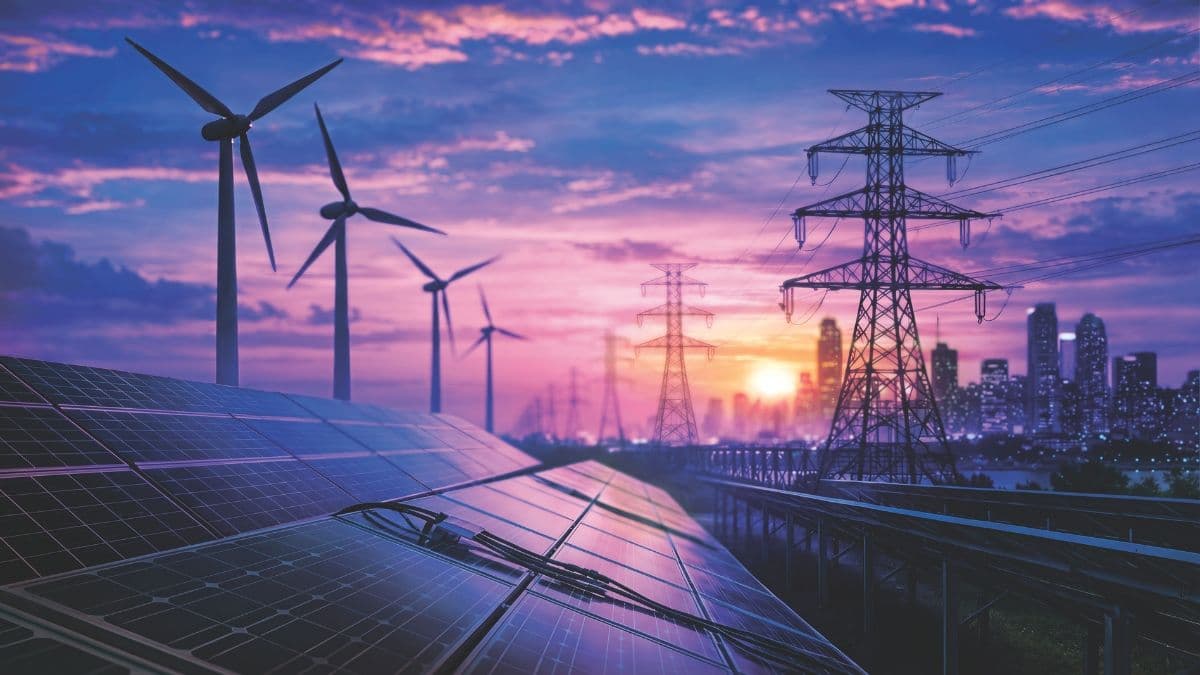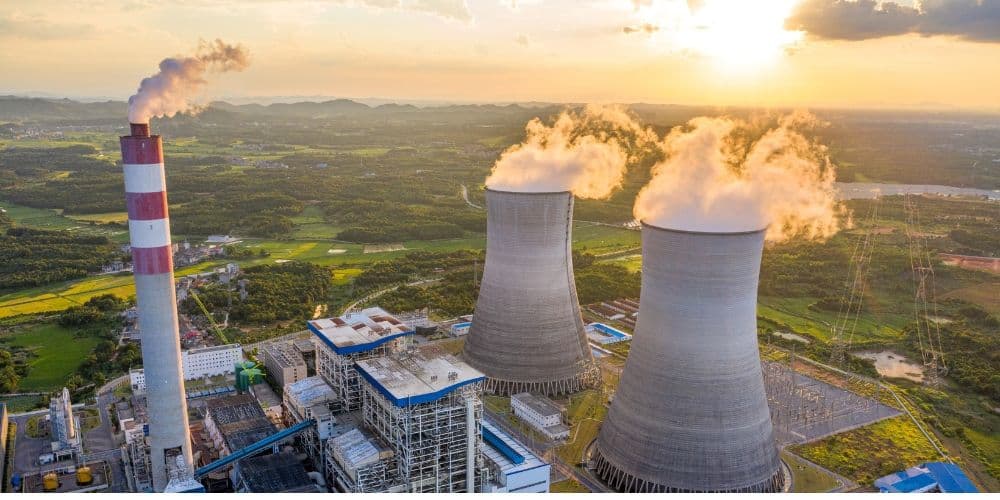
What was once a baseload-dominated system is now shifting into a dynamic balancing act. As sunlight floods the grid during the day and collapses at dusk, coal and gas plants are being pushed into deep part-load operation, rapid start-ups and steep ramps. The shift is revealing engineering constraints and market gaps, forcing the sector to reconsider the role of thermal assets in a renewable-heavy power system.
Regulation Pushes Flexibility to the Forefront
With renewable penetration rising sharply, the Central Electricity Authority (CEA) has already embedded flexibility requirements into national regulation. The CEA’s 2022 construction standards and 2023 flexibility regulations specify minimum turndown levels and ramp-rate capabilities for all grid-connected thermal units. According to T Venkateswarlu, Chief Engineer, Thermal Engineering & Technology Development, CEA, “around 70 to 75 percent of units have already achieved the mandated 55 percent minimum technical load,” marking tangible progress as India moves toward the deeper target of 40 percent.
But compliance with regulation is only one dimension. A grid shaped by volatile renewable output requires daily flexibility at a scale previously unseen. Ramp requirements now often exceed 250 MW per minute, with extreme events reaching 500 MW per minute. As Vivek Pandey, CGM-SO, Grid Controller of India Ltd, observes, flexibility “is essential for survival” because non-solar hours depend almost entirely on thermal, hydro and nuclear resources. When solar output drops and evening demand rises simultaneously, the system relies on thermal stations to rise quickly and stabilise the grid.
Thermal Plants Face Technical and Operational Reinvention
Legacy thermal stations were engineered for steady operation, not repeated cycling. Running below 55–60 percent load exposes boilers to instability, higher auxiliary consumption, slagging risk and accelerated wear. India is therefore entering a phase where digitalisation, predictive analytics and advanced controls are indispensable.
Drawing from Indian and European experience, Bhanu Prakash, Director, STEAG Energy Services India Pvt Ltd, explains how advanced controls and model predictive systems transformed German coal plants a decade ago. These units regularly operated at 15–20 percent load without secondary fuel support. The secret was digital sophistication: “chip-based optimisation, predictive combustion control, and thermal stress monitoring made such deep turndown possible,” he says. In India, STEAG’s simulator-based training is now attempting to bridge the knowledge gap for operators transitioning from traditional baseload operation to flexible cycling.
For industrial generators, the shift is equally substantive. Jashu Kavad, AVP, Head Power Plant, DCM Shriram Ltd, notes that flexibilisation “changes the way we operate”. Digital twins, AI-enabled predictive maintenance, automated ramping sequences and revised O&M procedures are becoming foundational as plants move from steady output to variable, demand-linked operation. He stresses that “operator training is the most critical element,” as flexible operation requires near-real-time decision-making and greater operational vigilance.
Mindset, Culture and Capacity Building are Now as Crucial as Hardware
Beyond equipment and software, the transition hinges on people. Generations of operators trained in baseload functioning must now adapt to a system where load is constantly in flux. Akhil Agarwal, GM, Project Engineering, NTPC Ltd, emphasises that “we have to move from a base-load mindset to a balancing mindset”. He notes that younger operating staff require immersion in flexibility scenarios through structured training, exposure to advanced controls, and routine simulation of extreme operating conditions.
Agarwal also points out that flexibility has lifecycle implications. Operating deep into part-load conditions accelerates creep, fatigue and thermal stress, which can shorten component life significantly. NTPC has therefore revised its specifications to integrate advanced process controllers, improved burner designs, condensate throttling, overload valves, stress monitoring instruments and upgraded turbine materials. These changes, he says, ensure that “flexibility does not compromise long-term asset integrity”.
Market Design Must Evolve Faster Than Technology
Economic barriers remain one of the most significant obstacles to flexible operation. Cycling increases heat-rate degradation, auxiliary power use, chemical consumption and secondary fuel demand. Without compensation, generators bear these additional costs alone.
Market mechanisms are beginning to change that dynamic. Under Security Constrained Economic Dispatch (SCED), the most economical generators are dispatched first, pushing many thermal units toward minimum load during solar hours. Pandey notes that even small improvements in ramp rates or turndown capability deliver measurable system-wide savings.
Meanwhile, the Market-based Ancillary Services (MBAS) platform offers generators revenue for providing ramping, regulation and balancing services. Some stations are already achieving significant mileage incentives for offering higher ramp rates. Merchant generators, particularly those without restrictive PPAs, are emerging as early beneficiaries of this evolving market structure.
Kavad highlights that captive plants, though not covered under flexibility compensation frameworks, still incur higher O&M costs when cycling to accommodate renewable fluctuations. He stresses the need for an appropriate mechanism to recognise this additional expenditure.
Preparing New Coal and Gas Capacity for a Flexible Future
India is poised to add substantial new thermal capacity over the coming decade. The challenge now is ensuring that every new unit is built with future flexibility in mind. CEA regulations already require capability for two-shift operation, regular cycling and rapid ramping. NTPC has gone further by integrating advanced process controls and enhanced material specifications into its newly-build standards.
Complementary resources such as pumped-storage hydropower, Battery Energy Storage Systems (BESS) and modern gas engines are also gaining relevance. NTPC is pursuing both pumped-storage projects and 5 GW hours of BESS, while highlighting the underutilised value of India’s existing gas fleet. Gas engines, with faster ramping and better part-load efficiency than open-cycle turbines, emerge as promising balancing assets.
Bhanu Prakash also points to global trends: several German plants combine deep turndown with battery installations, enabling steady operation at low loads while batteries absorb or supply rapid bursts of power. Such hybrid strategies could become increasingly valuable in India’s context.
Reimagining the Thermal Fleet for a Renewable-Heavy Grid
The shift from baseload generation to flexible balancing marks one of the most important transformations in India’s power sector. Engineering upgrades, regulatory clarity, digital innovation and operator retraining are converging to shape a future where coal and gas assets remain critical but in a fundamentally different role.
Flexibility has become the new determinant of system value. As renewable energy expands and demand patterns grow more complex, the plants that can cycle efficiently, ramp quickly and operate reliably at lower loads will define the backbone of grid stability. The rest of the ecosystem market mechanisms, contracting models, training institutions and OEM practices must evolve to support this new reality.
This article is adapted from a panel discussion on ‘Plant Flexibilisation: Adapting Coal & Gas Fleets for RE-Rich Grids’ at Powergen India 2025.